
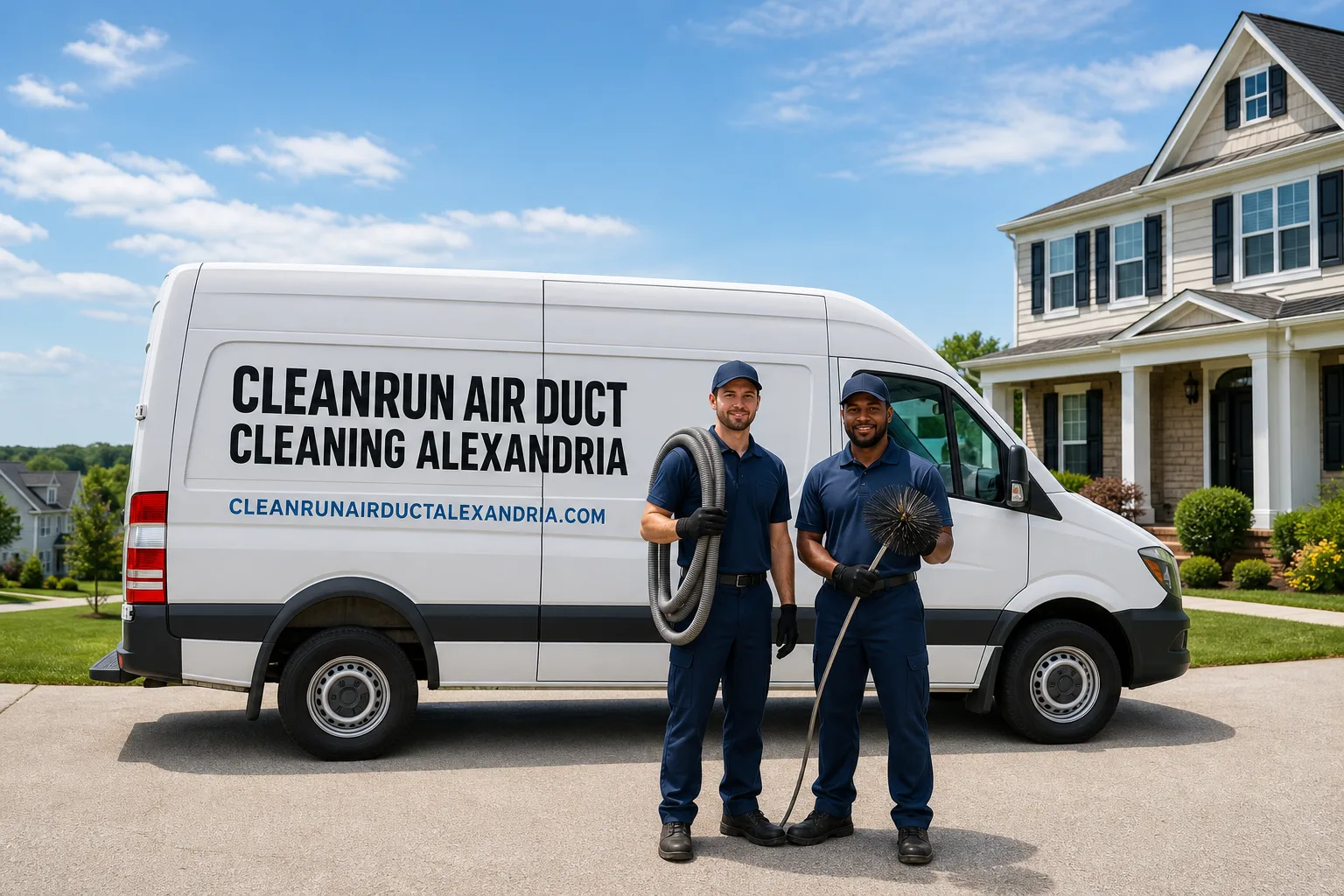
Whole-system duct and dryer vent check with before-and-after photos - you see exactly what came out of your vents
That "$99 whole-house special" is a bait ad - the real number appears once they are in your hallway, or the "clean" is a shop-vac at the register. We photograph the inside of your ducts before and after instead.
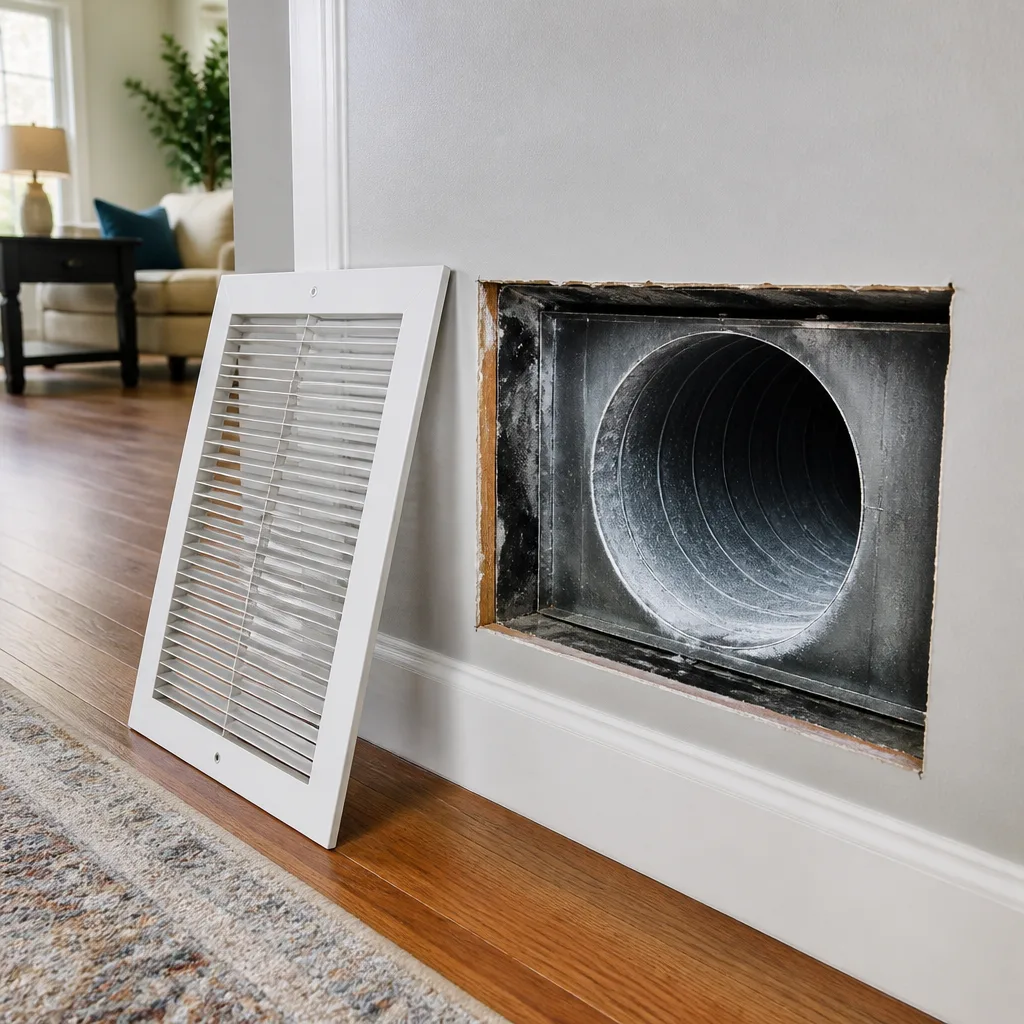
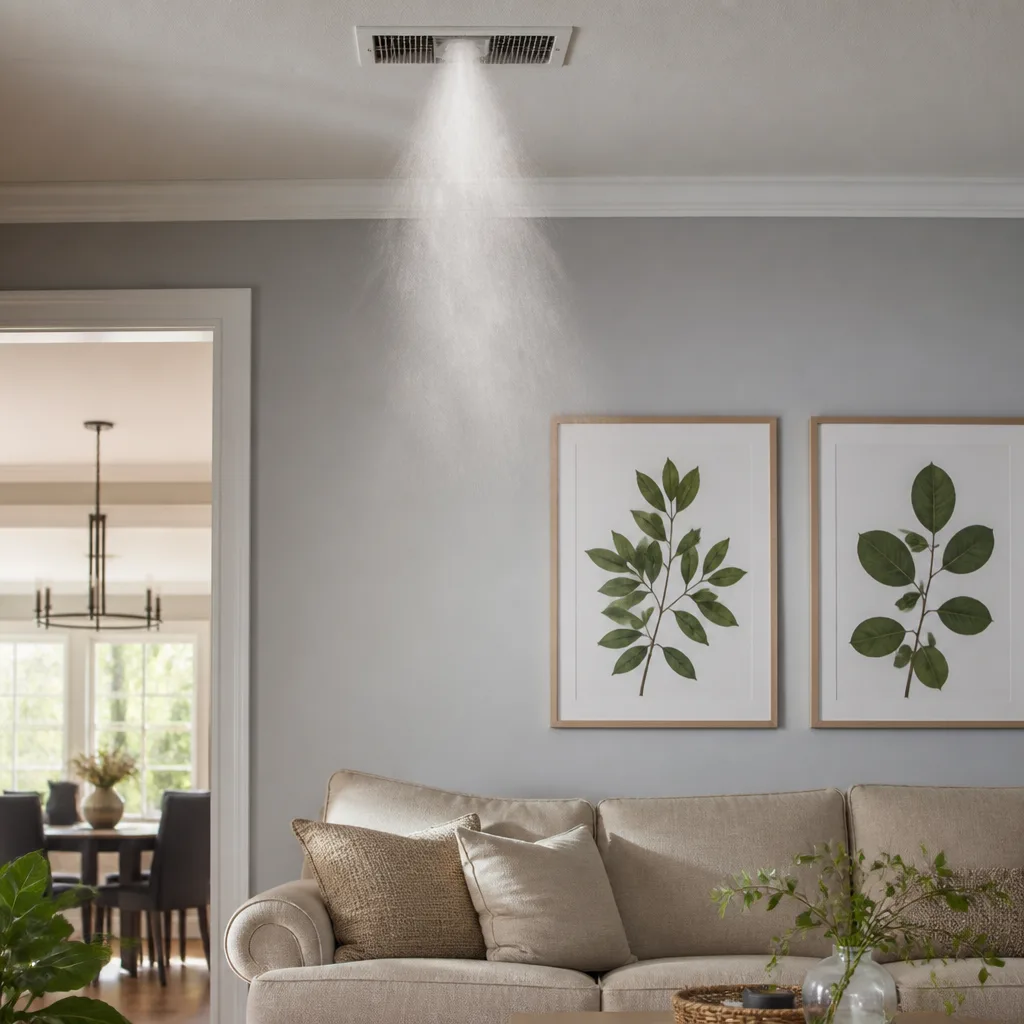
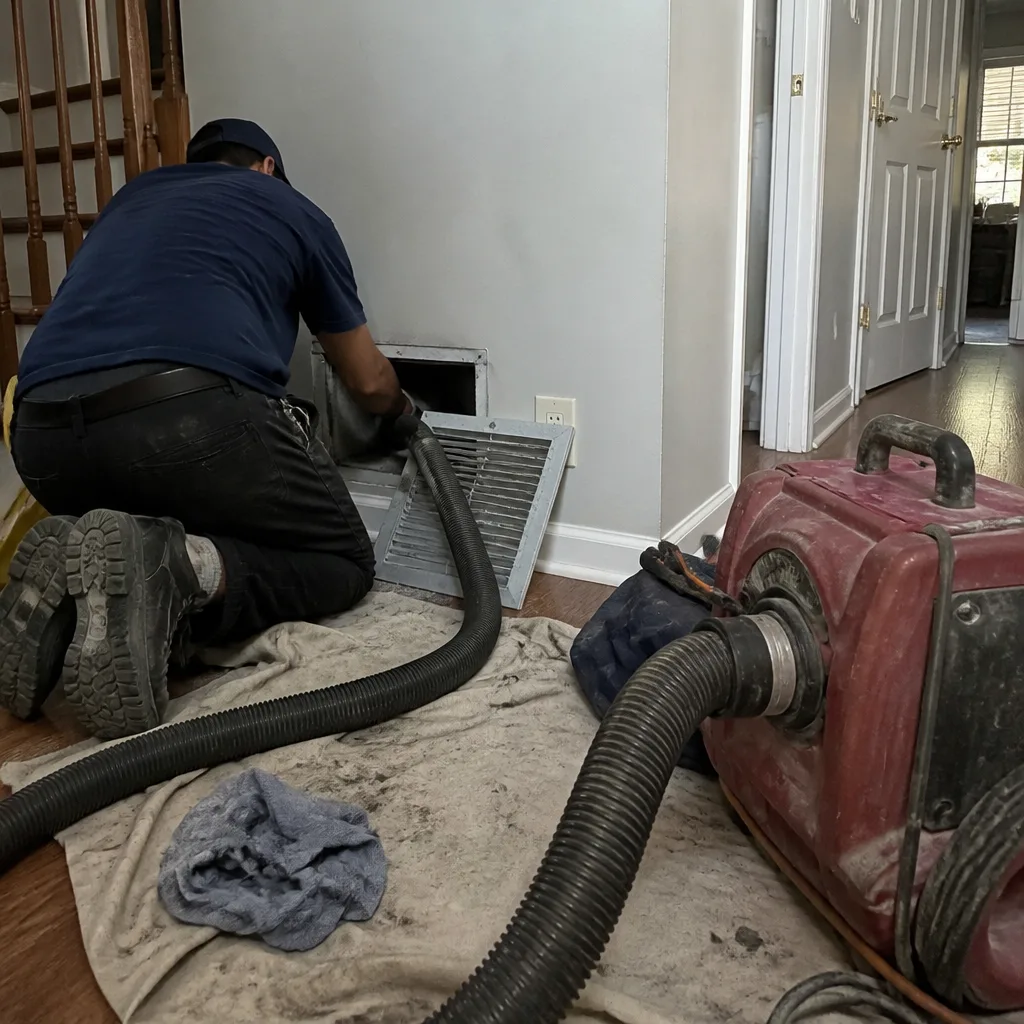 Before
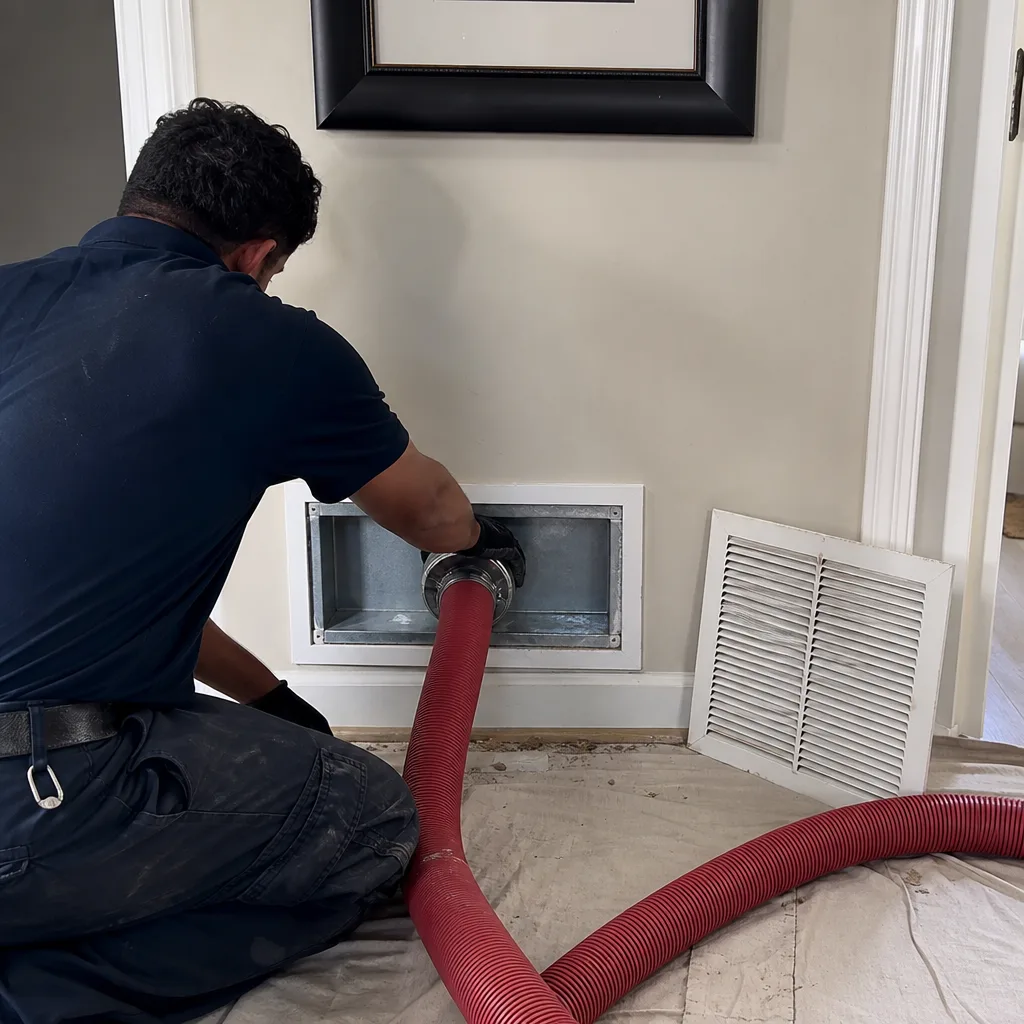 After
After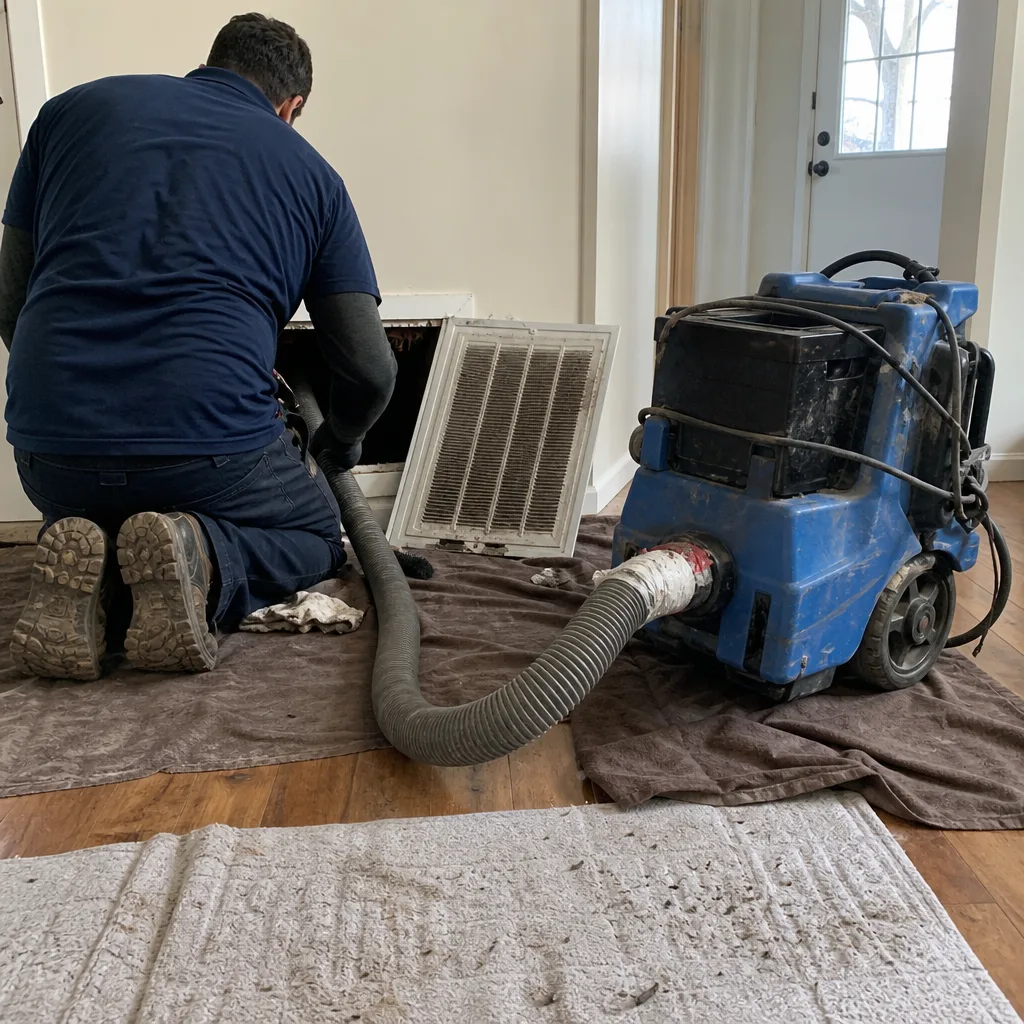 Before
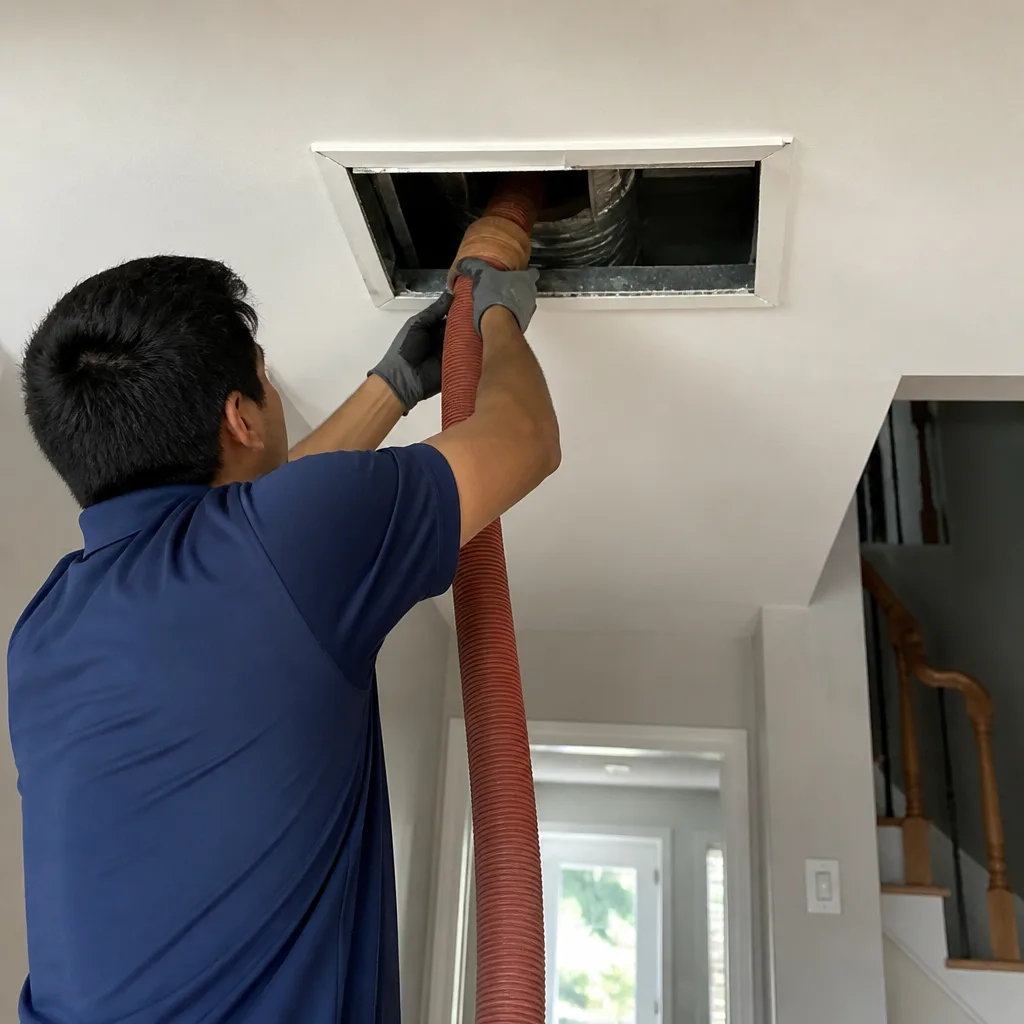 After
After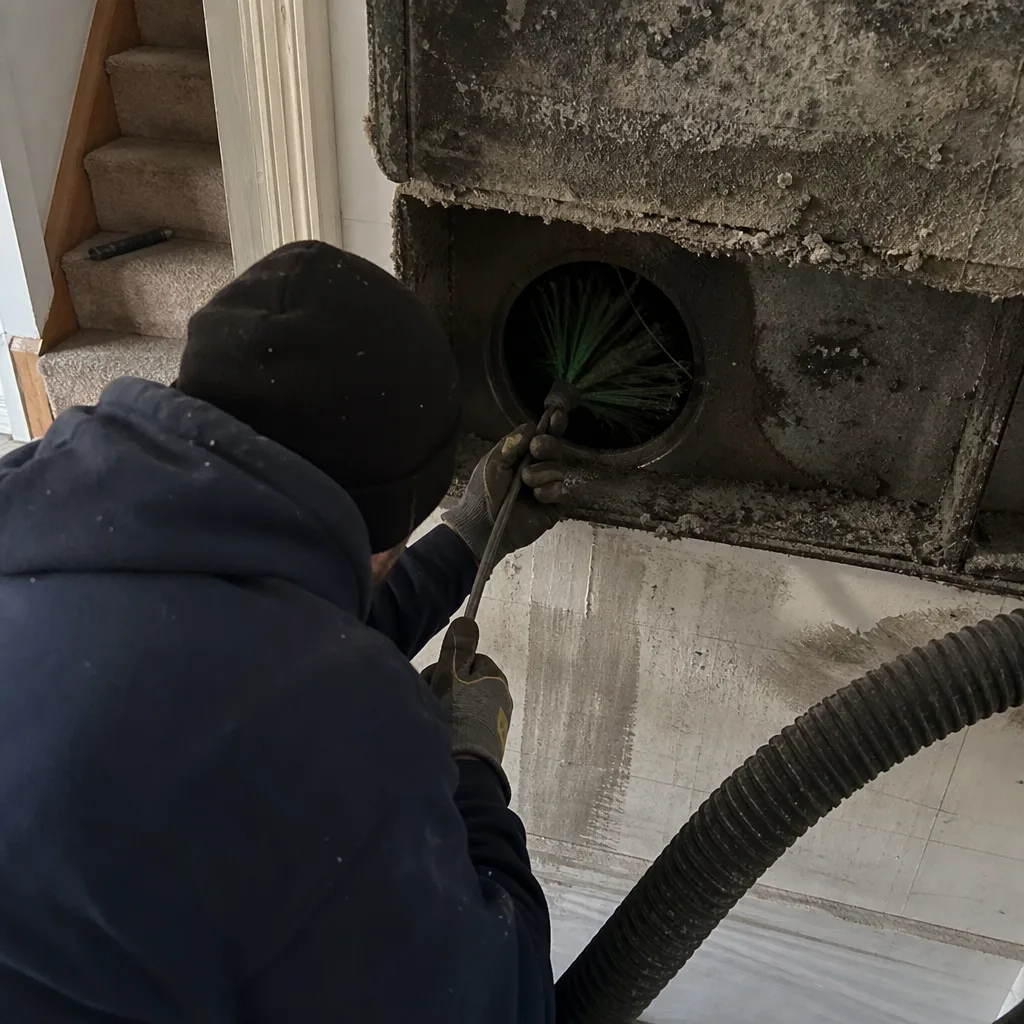 Before
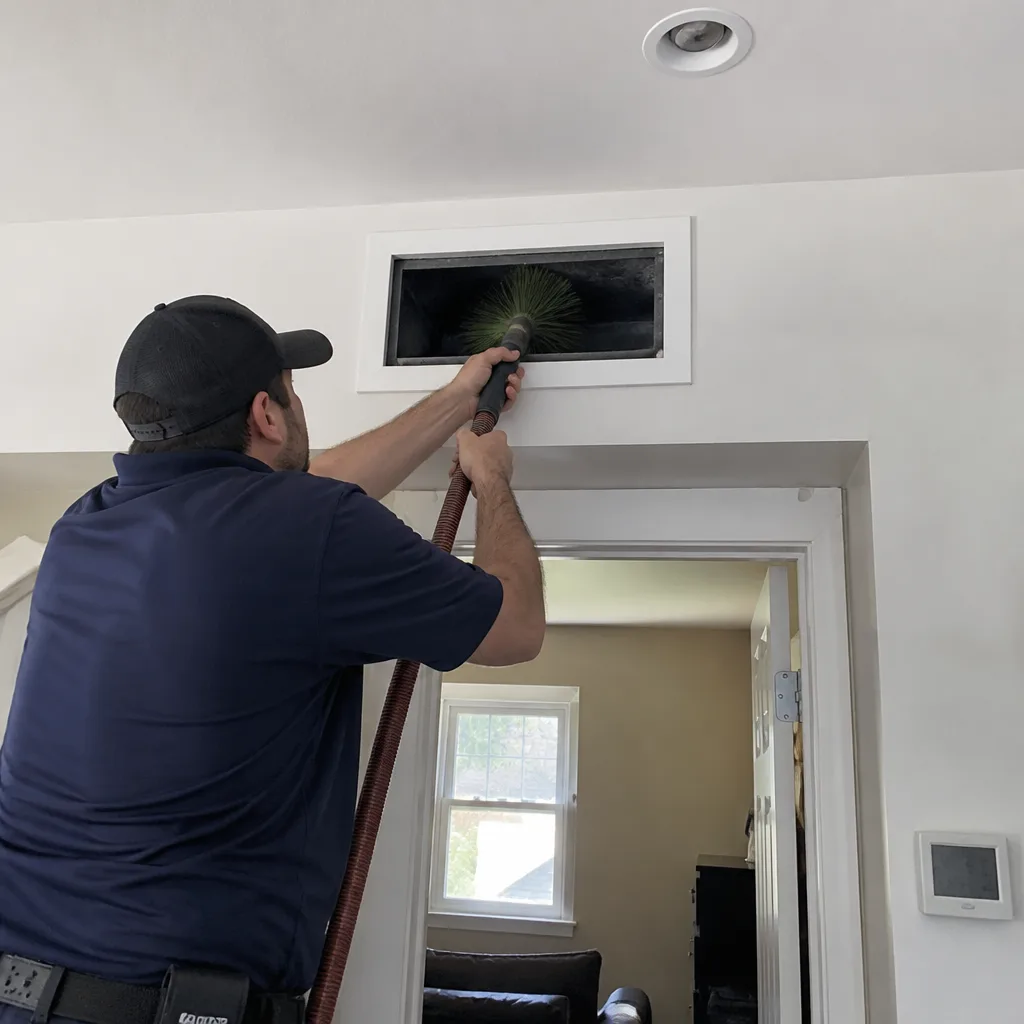 After
AfterFast, Reliable Dryer Vent Cleaning Across Washington
Dryer vent cleaning in Washington, DC typically runs $180-$340 for a standard residential system, with most jobs completed in 90 minutes to two hours. We serve Washington from our local metro office, with crews familiar with the tight basement runs and corroded alley caps that define dryer vent failures in this city’s 1880-1930 brick housing stock. Call (240) 318-7712 for a written price before any work starts.
Washington’s low-lying terrain and floodplain neighborhoods create a specific failure pattern most suburban technicians miss. Our Dryer Vent Cleaning team has documented thousands of these systems since 2013, and we’ve learned that a dryer vent in Bloomingdale or Eckington fails differently than one in Bethesda or Arlington. The shorter, wetter, basement-wall exit is the first thing to go, not the roof cap.
Why CleanRun Air Duct Cleaning Alexandria Is Washington’s Preferred Dryer Vent Cleaning Company
We’ve served more than 52,000 homes since 2013, and a significant share of those are right here in Washington. Our reputation in this city is built on documentation, not promises. Every job starts with a written price delivered before a single panel comes off, and every job ends with a Documented Photo Record showing what was inside your vent run before we touched it and what remained after source removal.
Washington customers find us because they’ve already met the $79 coupon model. They know what shop-vac noise sounds like. They want to see the lint mass on camera before they agree to pay for its removal. Our 365-Day Done Right Promise, backed in writing on every job, gives them that accountability.
Response time to Washington neighborhoods is same-day or next-day for standard scheduling. We don’t manufacture urgency. Crews are background-checked, uniformed, and identified by name before arrival under Haven Standard Clause 3: Verified Crews. Tomas Reyes, who leads CleanRun, built this standard because he believes a homeowner should know who’s walking into their basement before the truck arrives.
Our local knowledge matters because Washington’s housing defeats generic approaches. The three-story row house with a stacked dryer in a shallow basement against the foundation wall, venting through a corroded cap by the alley, is not a configuration you’ll find in a suburban manual. We’ve cleaned vents in Capitol Hill, Petworth, Columbia Heights, Shaw, and Bloomingdale long enough to know where the lint packs, where the moisture feeds mold, and where the previous installer took a turn too tight.
Our Dryer Vent Cleaning Services in Washington
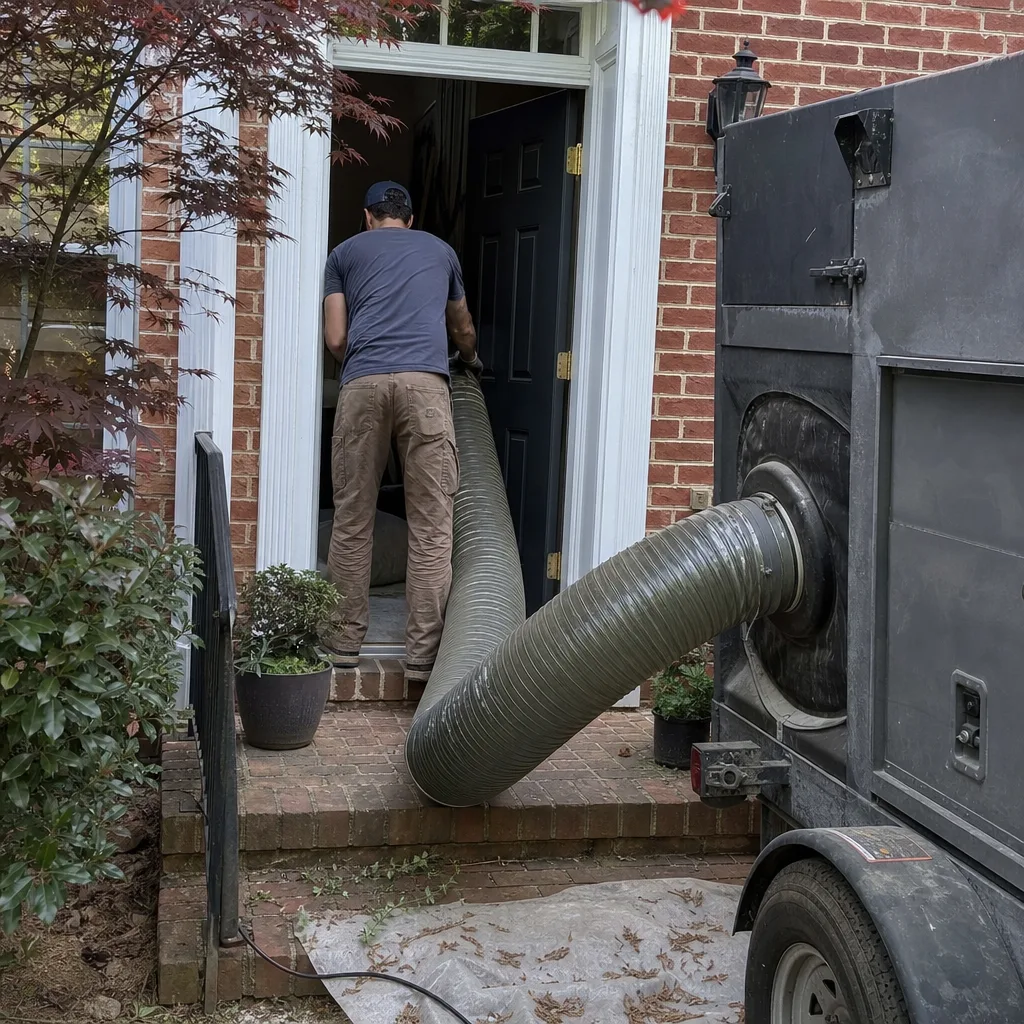
Dryer Vent Inspection
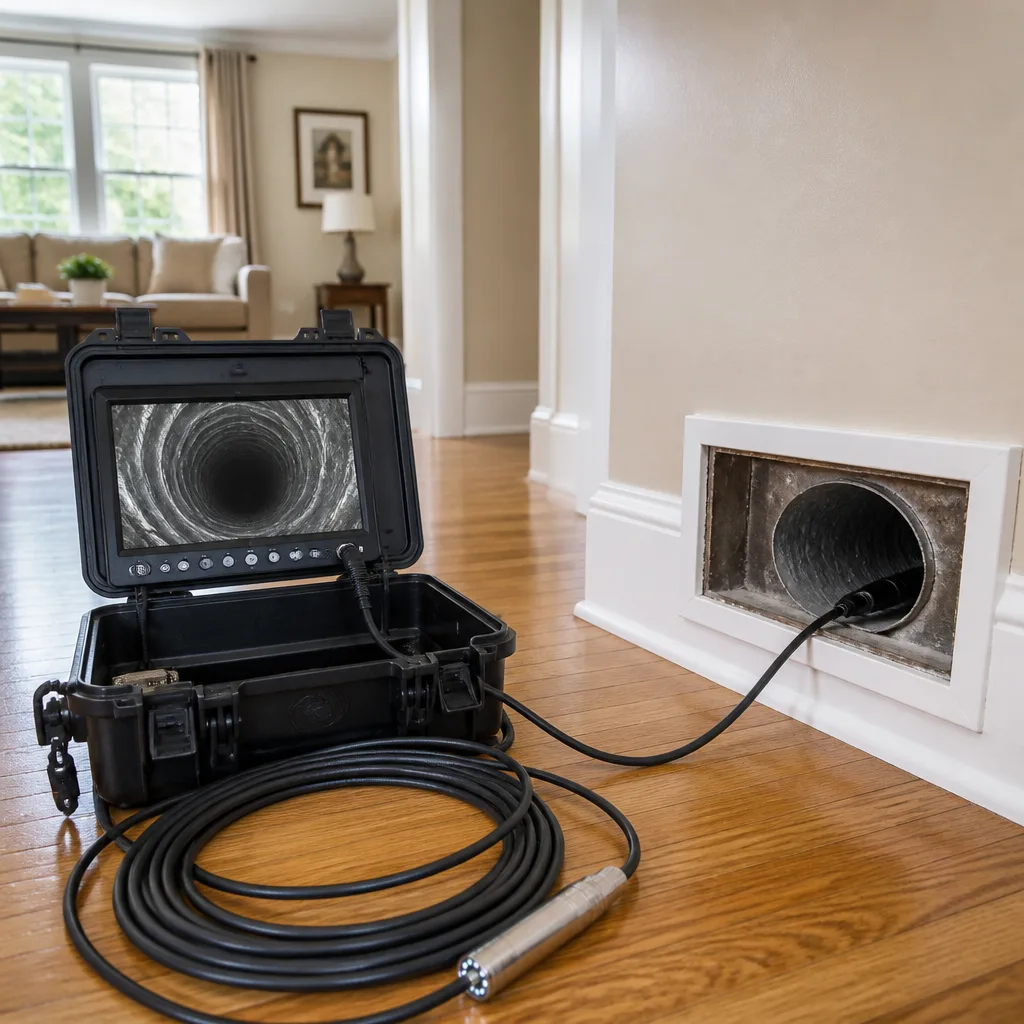
Every Washington job starts here. We run a camera through the full vent run, document the interior condition, and show you the footage before quoting a price. In Washington’s floodplain neighborhoods, this inspection often reveals corrosion at the exterior cap, moisture staining in flex duct corrugation, or a sheared turn where the installer forced the line through a foundation wall that wasn’t meant to carry it. The inspection itself is included in the service price, not sold as an add-on.
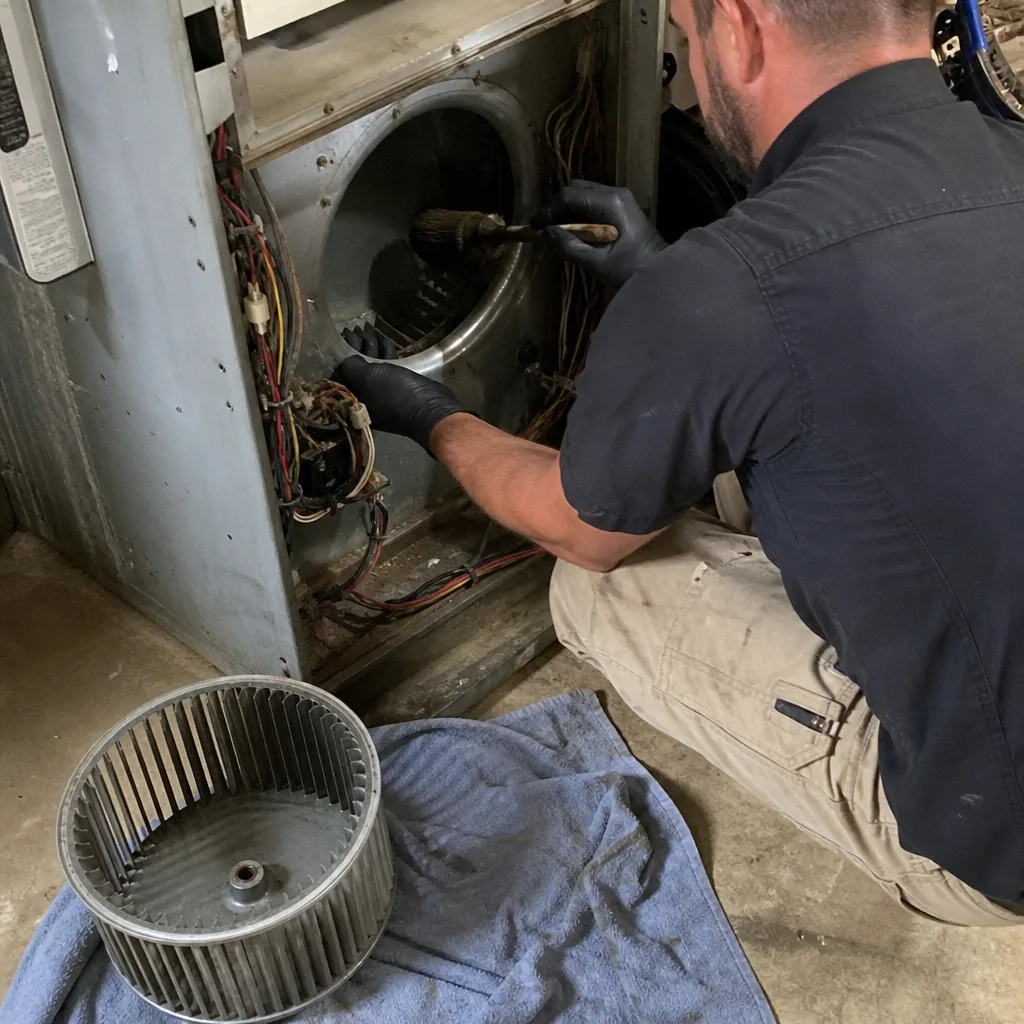
Vent Cleaning
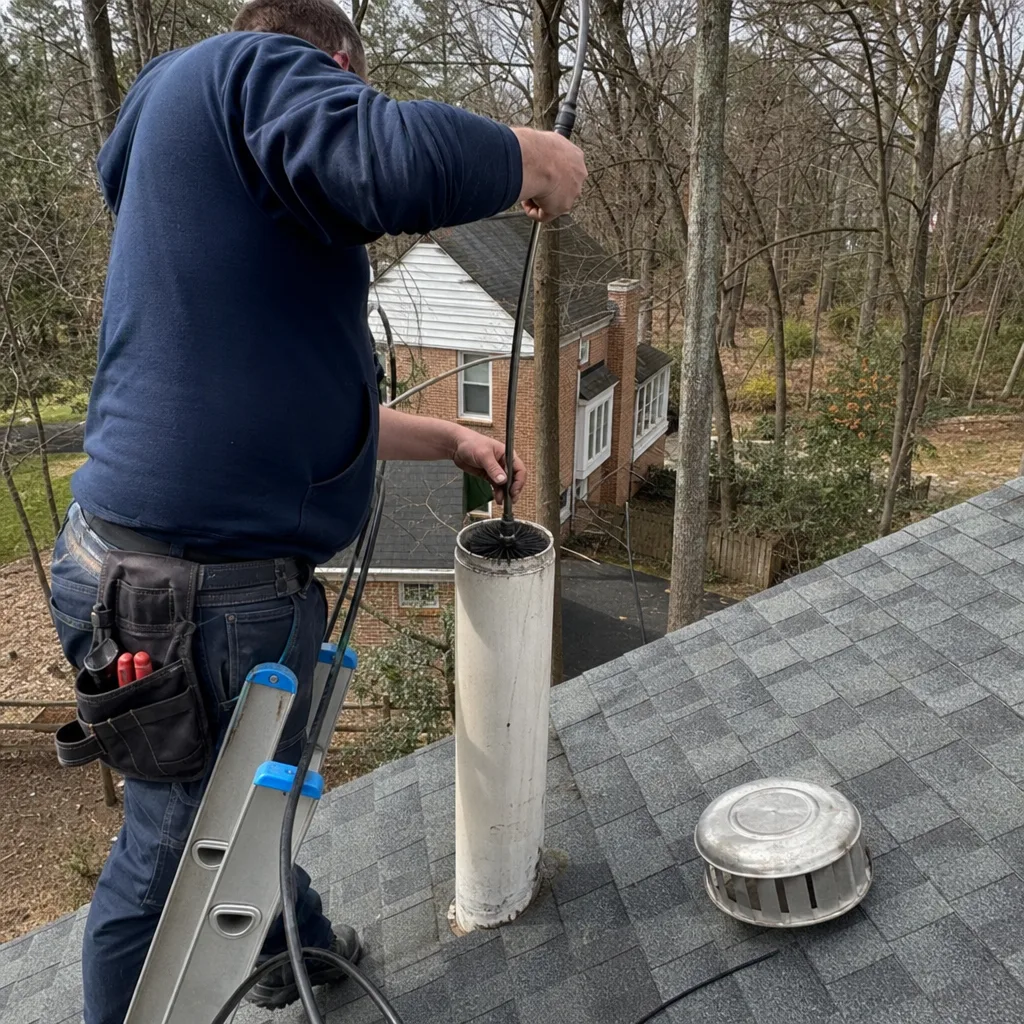
Source removal with agitation tools and HEPA filtration, not shop-vac suction at the trap. In Washington’s humid climate, we regularly find lint that has absorbed enough moisture to form a felted, moldy mass threading the duct corrugation. A shop vac won’t touch it. Our equipment roster includes Nikro and Abatement Technologies negative-pressure extractors designed to remove adhered debris without damaging the ductwork. The photo record shows the difference.
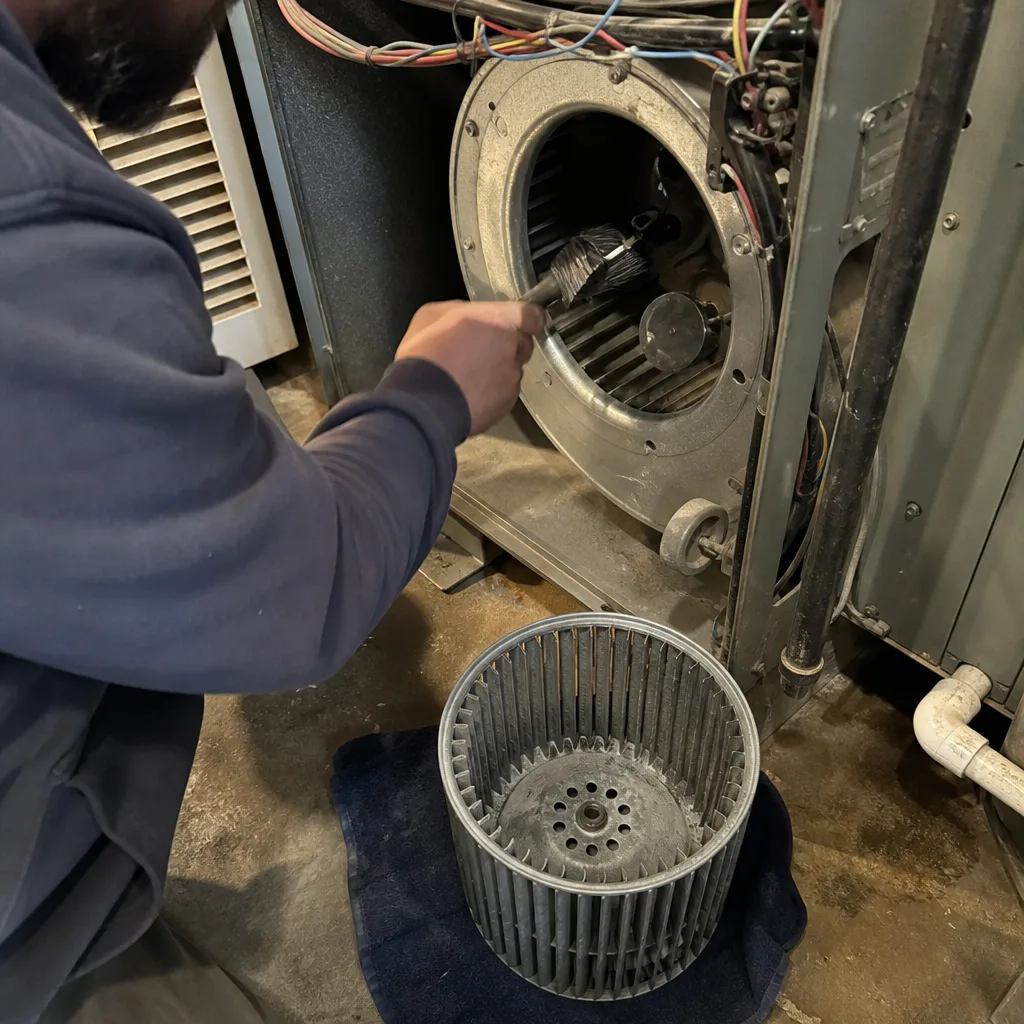
Lint Removal
Lint in Washington’s shorter basement-exit runs packs faster than in longer roof-vent systems. The pathway is compressed, the turns are tighter, and the moisture swells the fibers. We remove the full lint load from the trap interface through the exterior cap, then photograph the cleared run. If your dryer is stacked in a Capitol Hill or Shaw basement with the vent exiting through the sill, this full-source removal is the only method that addresses the actual clog.
Vent Rerouting
When the original installation forced the vent through an impossible turn or an unsafe material, we reroute. This is more common in Washington than in cities with purpose-built laundry spaces. Retrofit installers in 1950s and 1960s conversions sometimes ran dryer vents through single-story trunk lines in stairwell soffits or shared chases with plumbing. We redesign the run for proper slope, minimal turns, and code-compliant termination, with a written scope and price before any demolition.
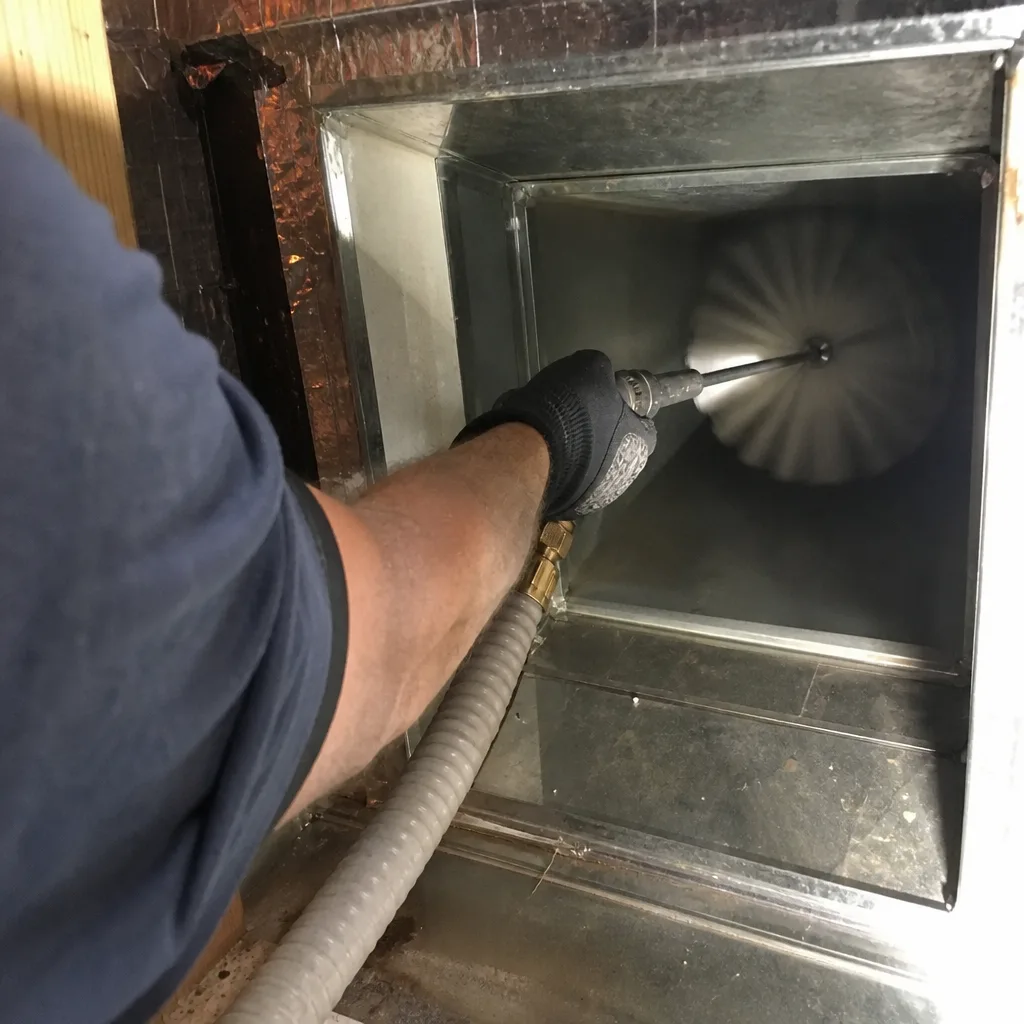
Vent Cap Replacement
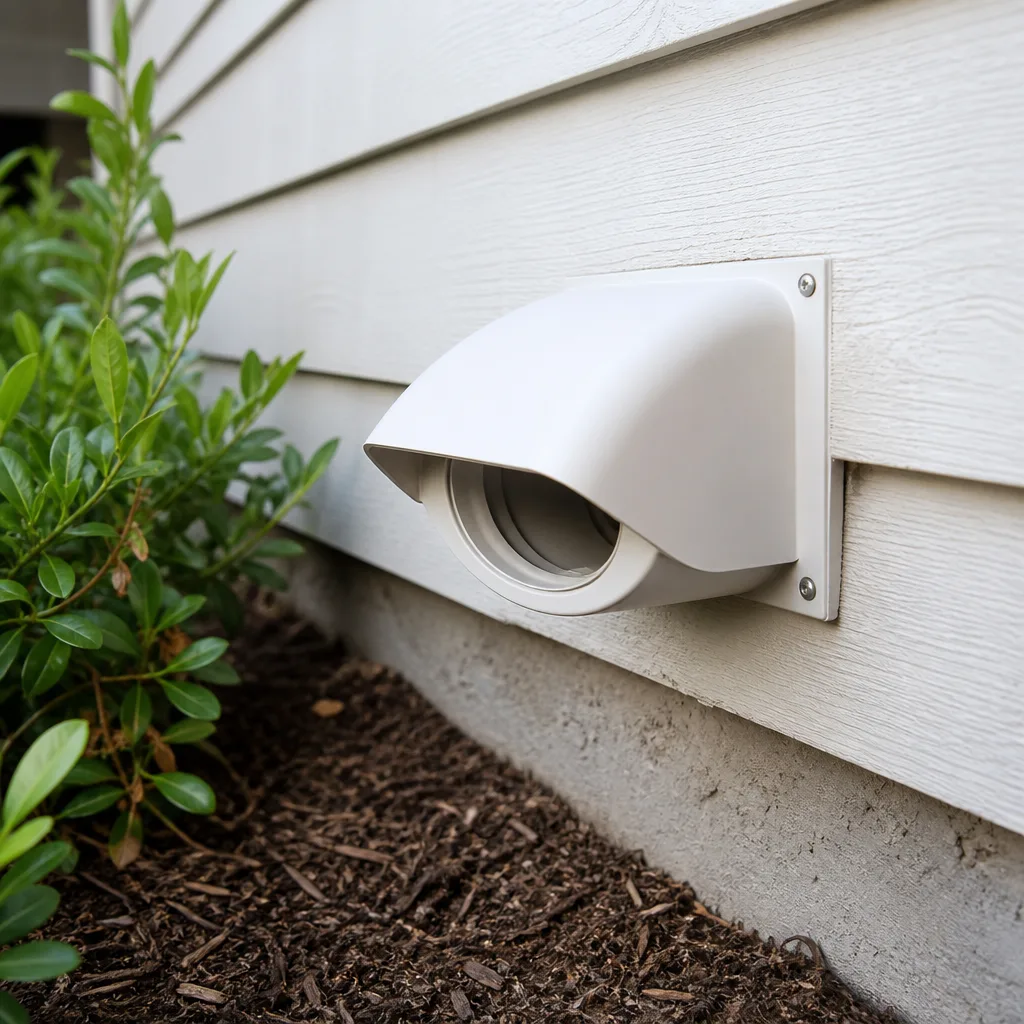
The exterior cap is the failure point in most Washington dryer vents. Floodplain moisture and salt air from the Potomac corrode standard caps within three to five years. We stock replacement caps rated for this environment and install them with proper clearances and animal screening. Haven Standard Clause 1 requires the written price to include all materials, so the cap replacement is quoted upfront, not discovered as a necessary add-on mid-job.
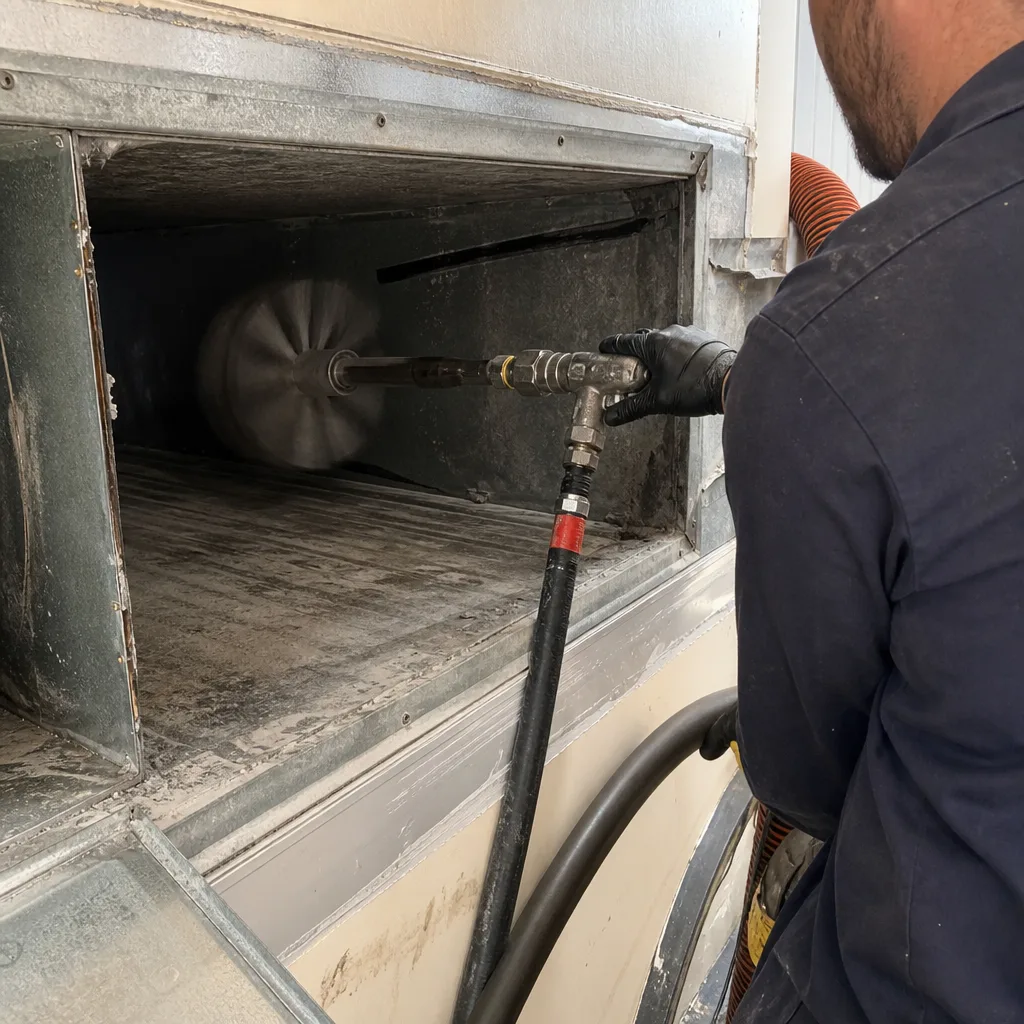
Bird Guard Installation
Washington’s alley-facing caps collect nesting material as well as lint. We install guardsman-spec bird guards that maintain airflow while blocking access. In neighborhoods like Bloomingdale and Eckington, where the cap sits at ground level by the alley, this is essential protection that most original installations omitted.
What happens when you call
- 1
A real person answersNo phone trees - you reach a local pro.
- 2
You get an upfront price rangeHonest numbers before anyone is dispatched.
- 3
A background-checked tech heads outLicensed & insured, dispatched right away.
- 4
You approve before work beginsNothing starts until you say go.
BeforeAfterTrusted Brands We Service in Washington
Our equipment includes professional-grade systems from Nikro, Abatement Technologies, and Honeywell, brands we name so customers can verify specifications independently. We stock replacement caps, bird guards, and transition fittings sized for Washington’s common retrofit configurations, including the short-run, tight-turn setups found in Capitol Hill and Petworth basements. Parts availability means most Washington jobs complete in a single visit without waiting on special orders.
Common Dryer Vent Cleaning Problems We See in Washington Homes
- Corroded exterior caps in floodplain neighborhoods. In Bloomingdale and Eckington, the basement-wall exit cap sits in moist, salt-laden air. It seizes, corrodes, and packs with lint before the interior line shows any backup. Suburban technicians looking for a roof cap miss it entirely.
- Felted lint mass fed by 70-80% summer humidity. DC’s sustained relative humidity swells lint fibers into a mold-supporting matrix. We find active microbial threading in vents less than five years old. A shop vac won’t remove it. Fogging spray won’t either.
- Undersized flex duct crammed through foundation walls. The 1880-1930 row house wasn’t built for mechanical ventilation. Installers forced flex duct through tight holes with turns sharper than manufacturer specifications allow. The lint packs at the shear point.
- Dead-end runs layered from successive HVAC replacements. In Georgetown and Capitol Hill, two or three generations of ductwork overlap. The dryer vent may share a chase with abandoned supply lines, creating turbulence that deposits lint where no straight run would.
Pricing for Dryer Vent Cleaning in Washington, DC
| Service | Typical Range in Washington |
|---|---|
| Standard dryer vent cleaning (single-family row house, basement exit) | $180-$260 |
| Extended run or roof-vent system (rare in DC, common in suburbs) | $240-$340 |
| Vent cap replacement with installation | $85-$140 |
| Bird guard installation | $75-$125 |
| Vent rerouting (per written scope) | $320-$580 |
These are whole-system prices, not per-vent teaser rates. What drives cost in Washington is access, not square footage. A stacked dryer in a shallow Bloomingdale basement with a sheared turn through the foundation wall takes longer than a straight suburban run. We quote the actual job after inspection, in writing, before work starts. No exceptions. Bring a competitor’s written estimate and we’ll provide a Free Second Opinion at no cost.
Call (240) 318-7712 for a written estimate. Estimates are free.
We Also Serve Cities Near Washington
Our Dryer Vent Cleaning in Washington crews also work in the surrounding metro area. If you’re outside the District, call and we’ll confirm coverage and schedule.
Serving Washington, DC - Our Local Coverage Area
We’re based in the Washington area and know this community well, and we also offer Air Duct Cleaning in Washington. Use the map below to see our service coverage - if you’re nearby, we can almost certainly help.
FAQs - Dryer Vent Cleaning in Washington
Yes. A basement-wall exit in Bloomingdale or Eckington is shorter, wetter, and more prone to corrosion at the cap than a roof-vent system. We start with a camera inspection of the full run, including the exterior termination, because the clog often forms at the corroded cap before backing up into the line. The cleaning requires agitation tools that can navigate tight turns and remove moisture-compacted lint, not just shop-vac suction at the trap. Call (240) 318-7712 for a written price after inspection.
Yes. Washington’s sustained 70-80% summer relative humidity, combined with floodplain moisture in low-lying neighborhoods, creates active microbial growth inside vent runs that drier, higher-elevation suburbs simply don’t see at the same rate. We regularly find mold-threaded lint in DC vents five to seven years old. Arlington and Bethesda homes, typically built at higher elevation with longer roof-vent runs and better drainage, experience different failure modes. The cleaning approach here must address moisture-driven contamination, not just dry lint accumulation. Call (240) 318-7712 for a written estimate.
No. Fogging spray does not remove source contamination, and in Washington’s humid environment it can leave sticky residue that traps more lint. The 70-80% RH that drives microbial growth here means any living mold needs physical removal, not chemical masking. Our Documented Photo Record shows the vent run after source removal with agitation and HEPA extraction. If the run is clean, it’s clean. Haven Standard Clause 1 requires us to quote only work that delivers documented results. Call (240) 318-7712 to discuss what’s actually needed.
Every 12 to 18 months for typical use, and every 8 to 12 months if you run multiple loads weekly or have a shorter basement-wall run that packs faster. Washington’s humidity accelerates lint compaction, so the calendar interval matters more than total loads. We note the condition at each visit and recommend the next interval based on what the camera showed, not a generic schedule. Call (240) 318-7712 to book an inspection and get a specific recommendation for your system.
A real cleaning includes camera inspection of the full run, source removal with agitation tools and HEPA filtration, exterior cap inspection and cleaning or replacement, and a Documented Photo Record delivered to you. A shop vac reaches perhaps three feet from the trap and leaves the actual clog untouched. In Washington’s retrofit configurations, the lint mass typically sits at the first elbow, in the flex duct corrugation, or packed against the corroded exterior cap, none of which a shop vac can access. The $79 coupon model relies on customers not knowing the difference. We show you the difference before you pay. Call (240) 318-7712 for a written price.
Ready to see what’s actually inside your dryer vent? Call (240) 318-7712. A live person answers 24/7. We’ll schedule an inspection, deliver a written price before any work starts, and leave you with a Documented Photo Record of every foot of the run. The 365-Day Done Right Promise applies to every Washington job we complete.
Written by Tomas Reyes, Owner at CleanRun Duct Repair & Cleaning, serving Washington and the metro area since 2013.