
Last updated September 23, 2026
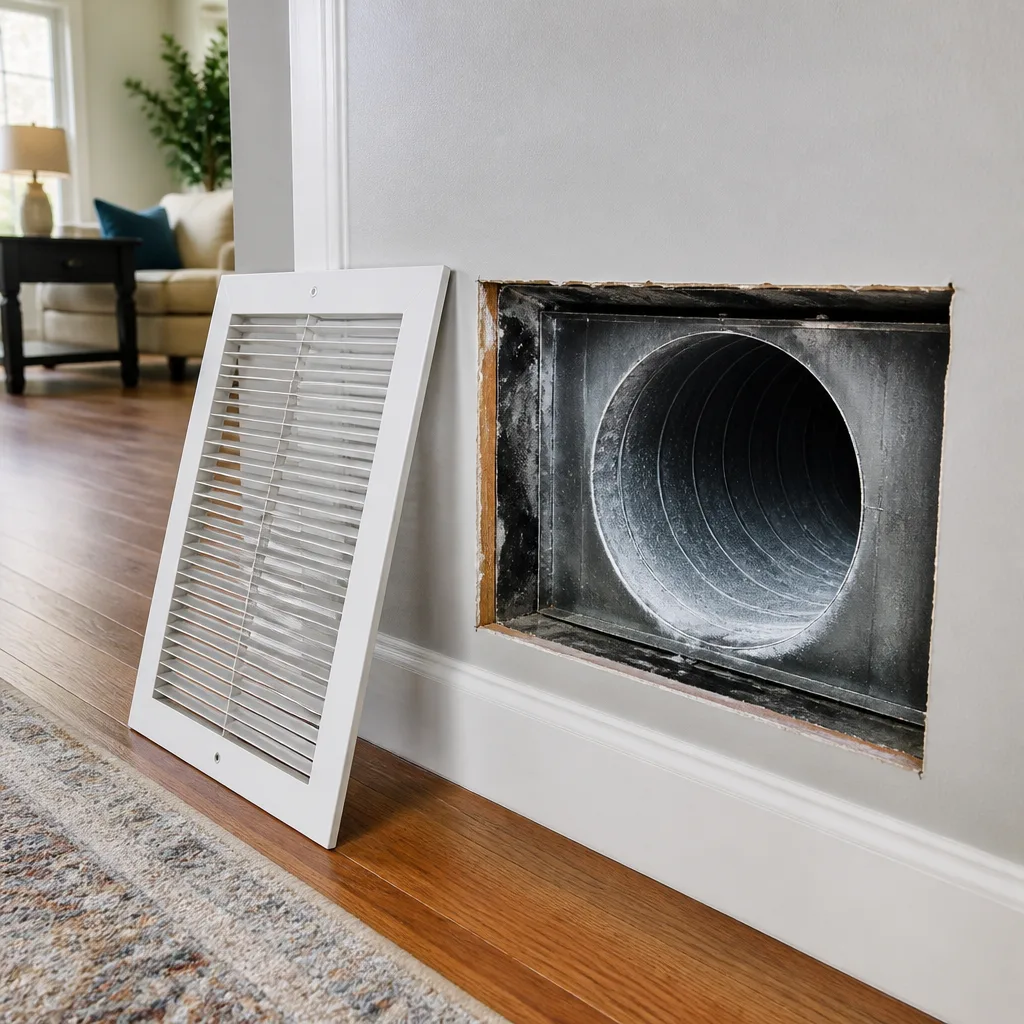
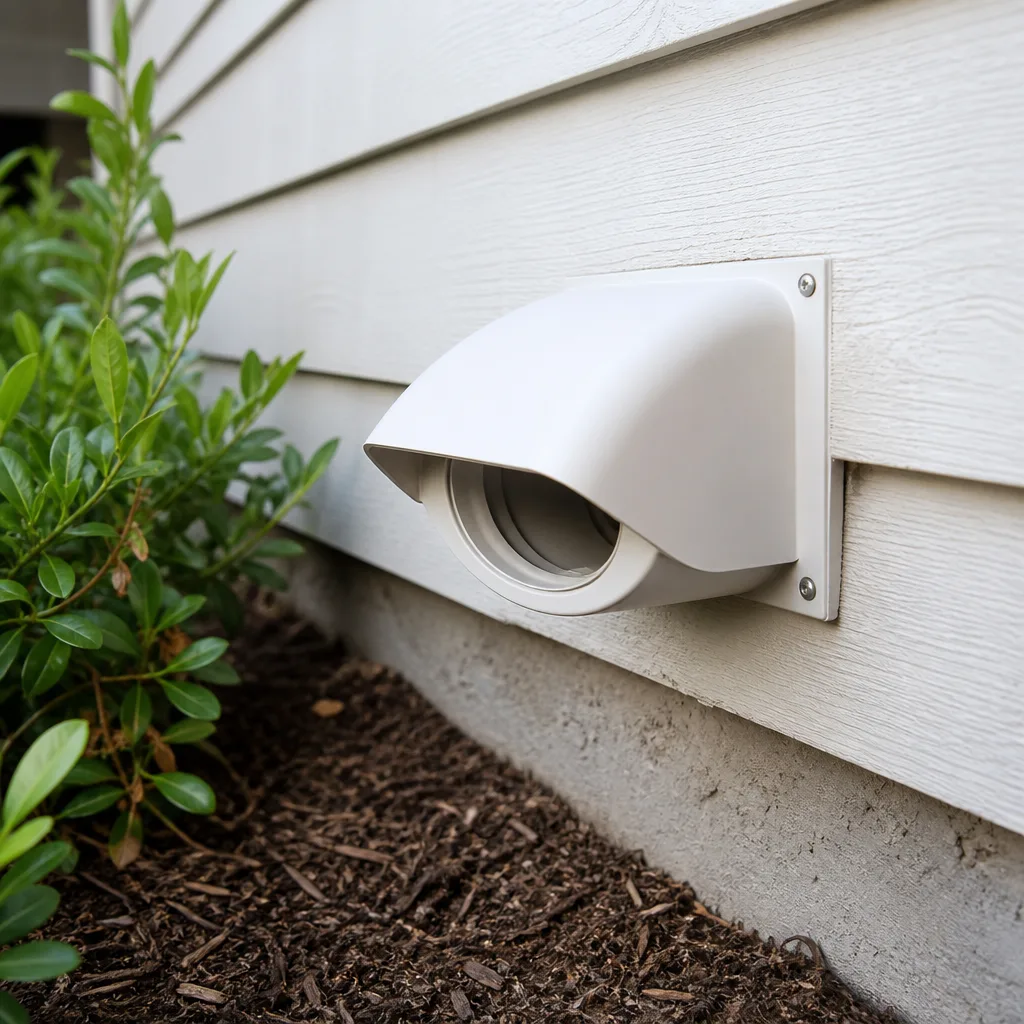
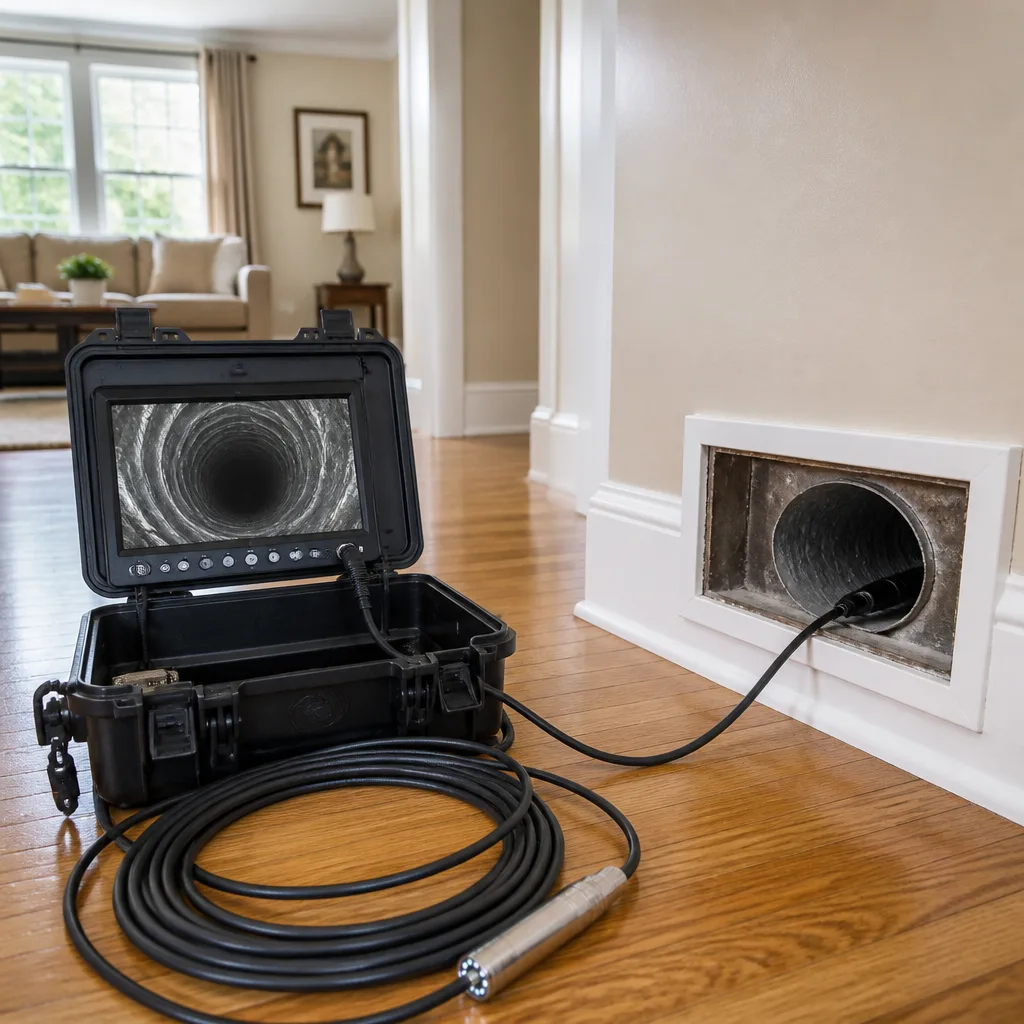
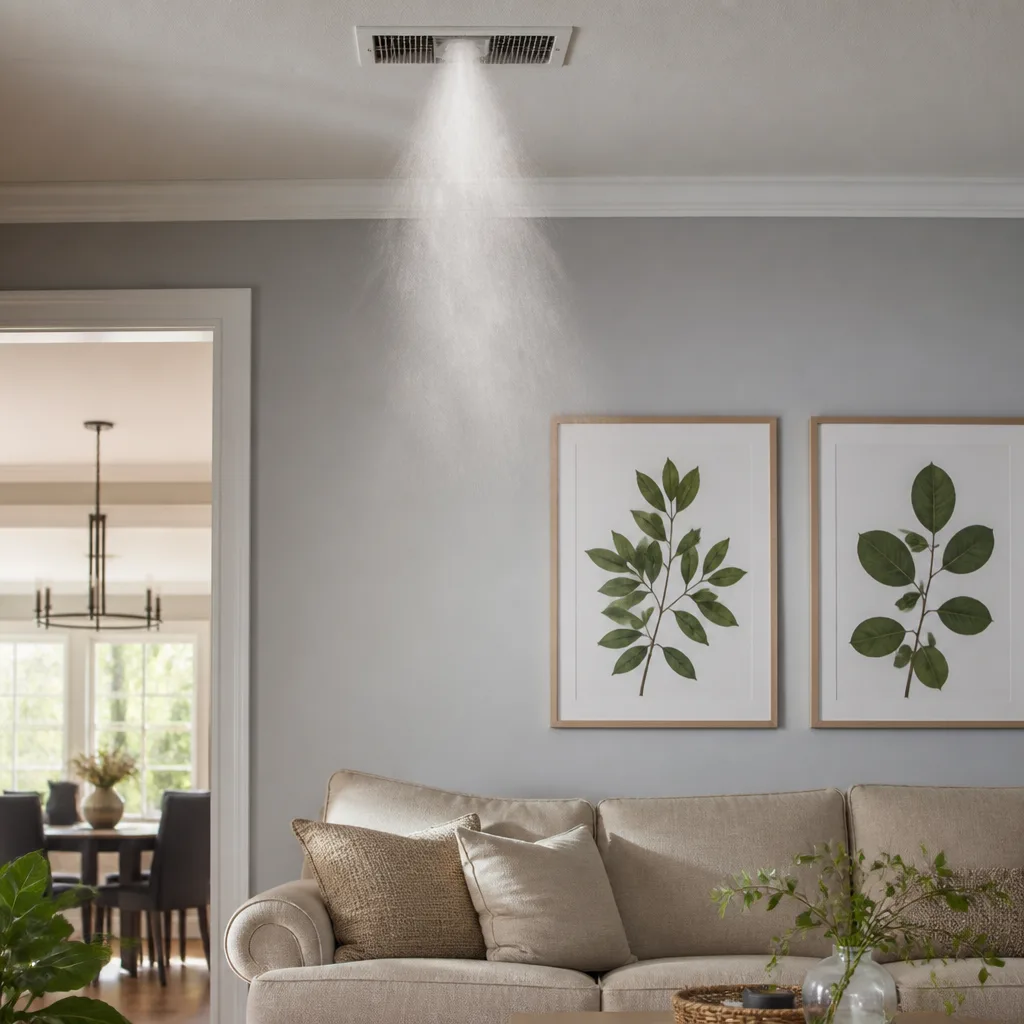
Whole-system duct and dryer vent check with before-and-after photos - you see exactly what came out of your vents
That "$99 whole-house special" is a bait ad - the real number appears once they are in your hallway, or the "clean" is a shop-vac at the register. We photograph the inside of your ducts before and after instead.
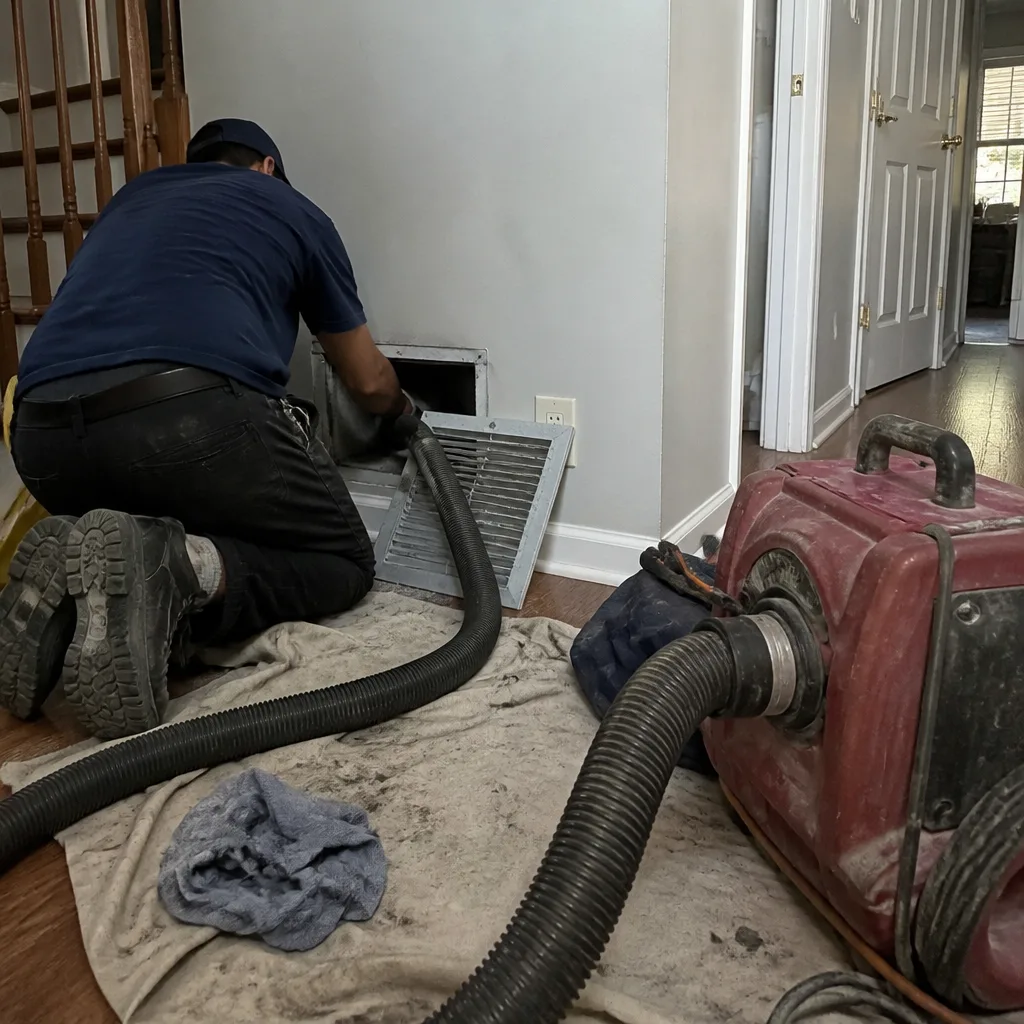 Before
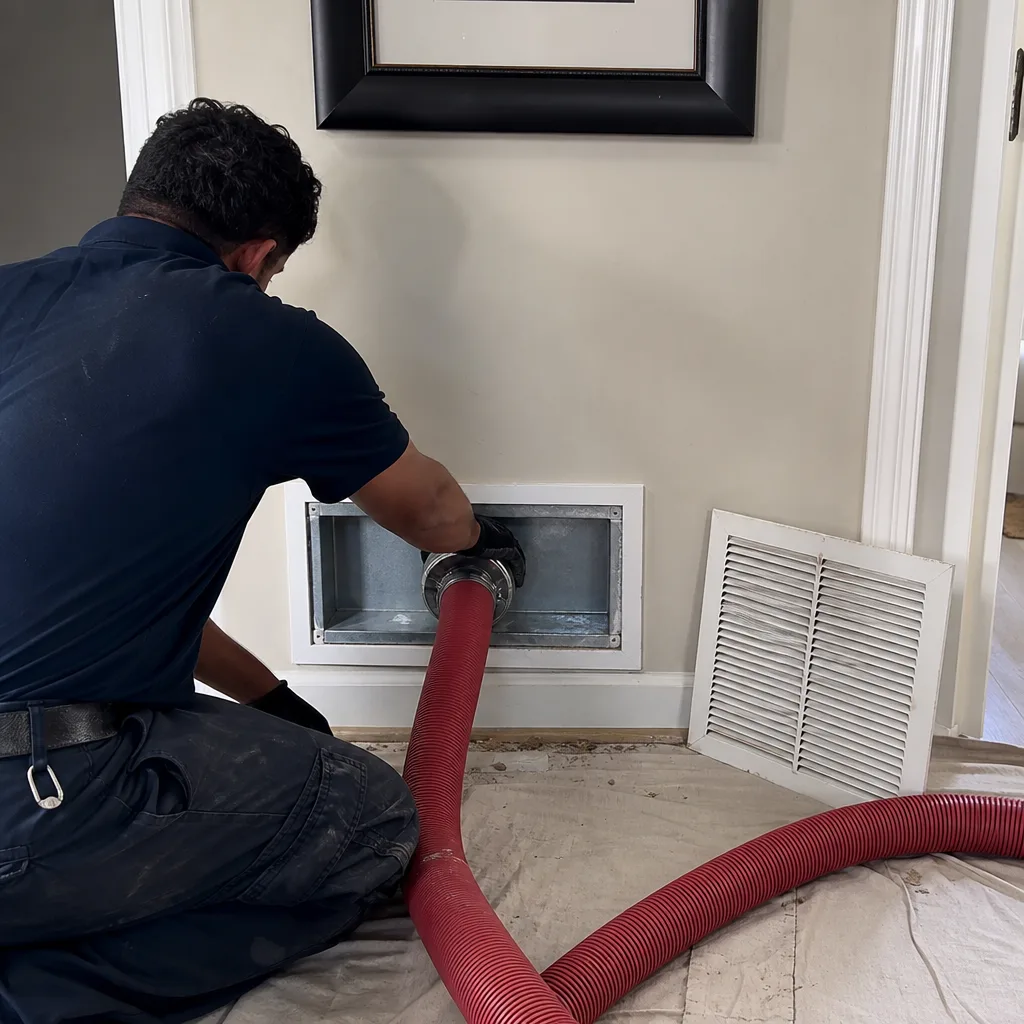 After
After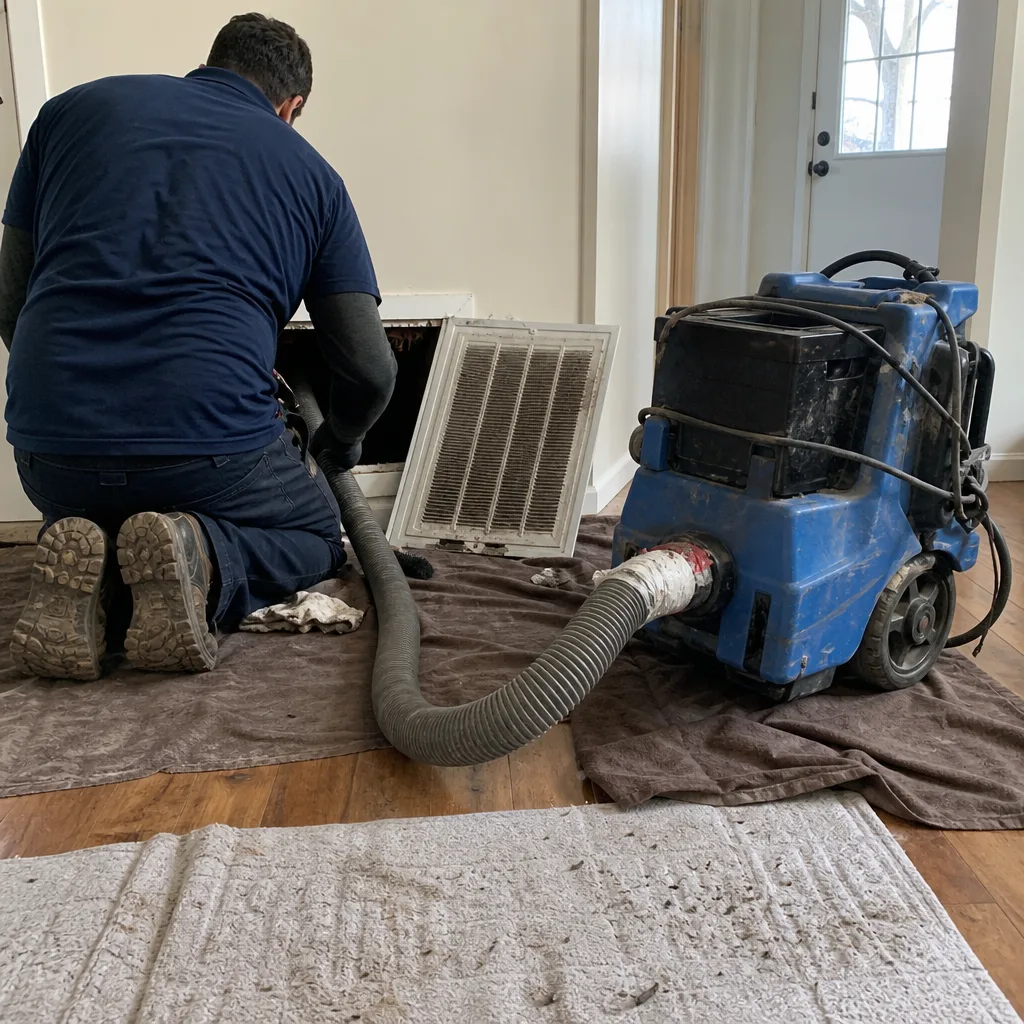 Before
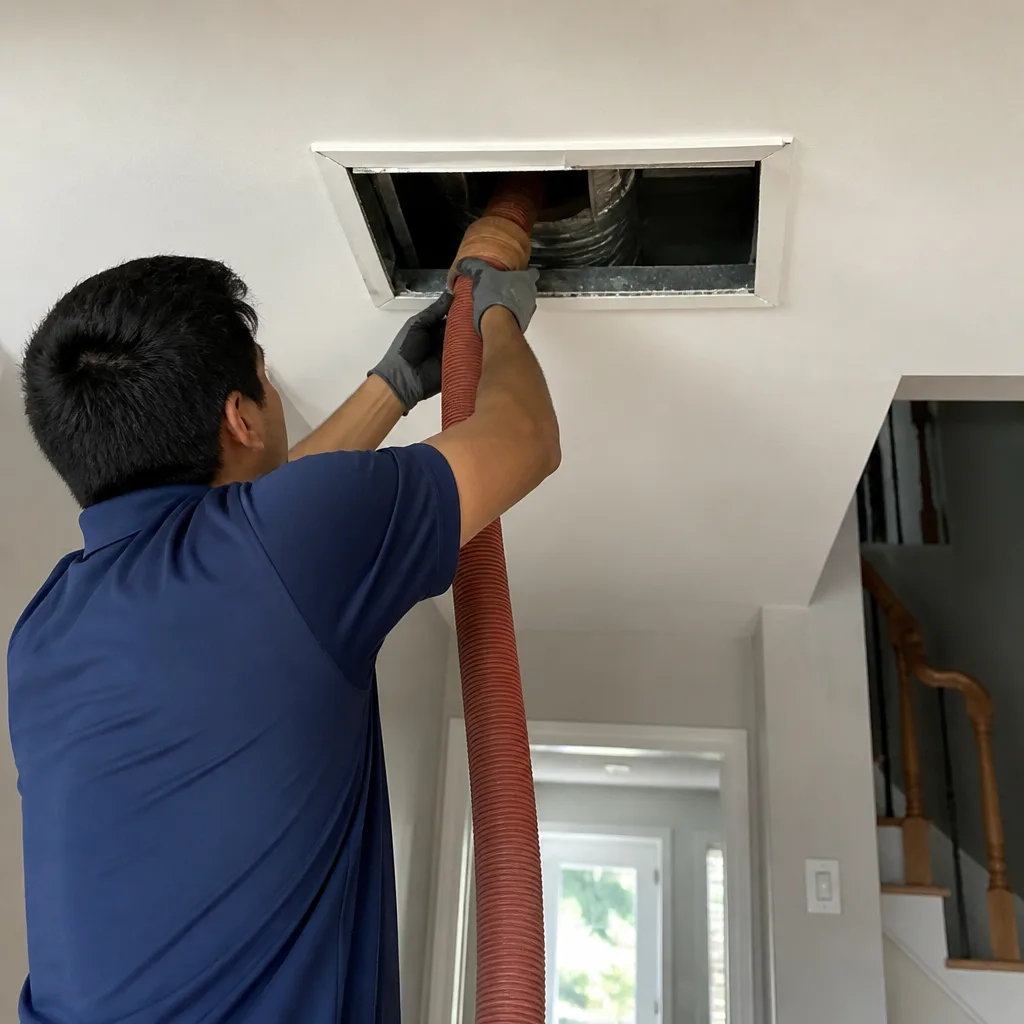 After
After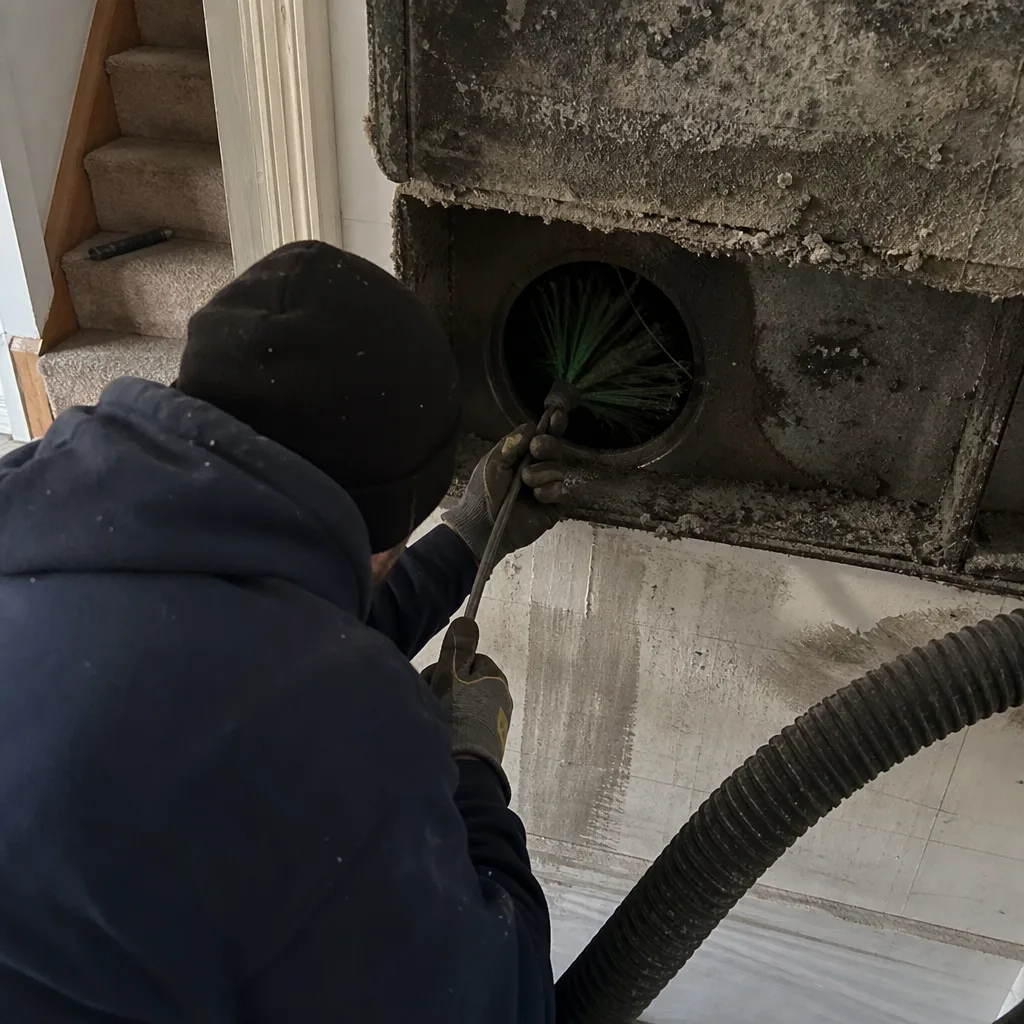 Before
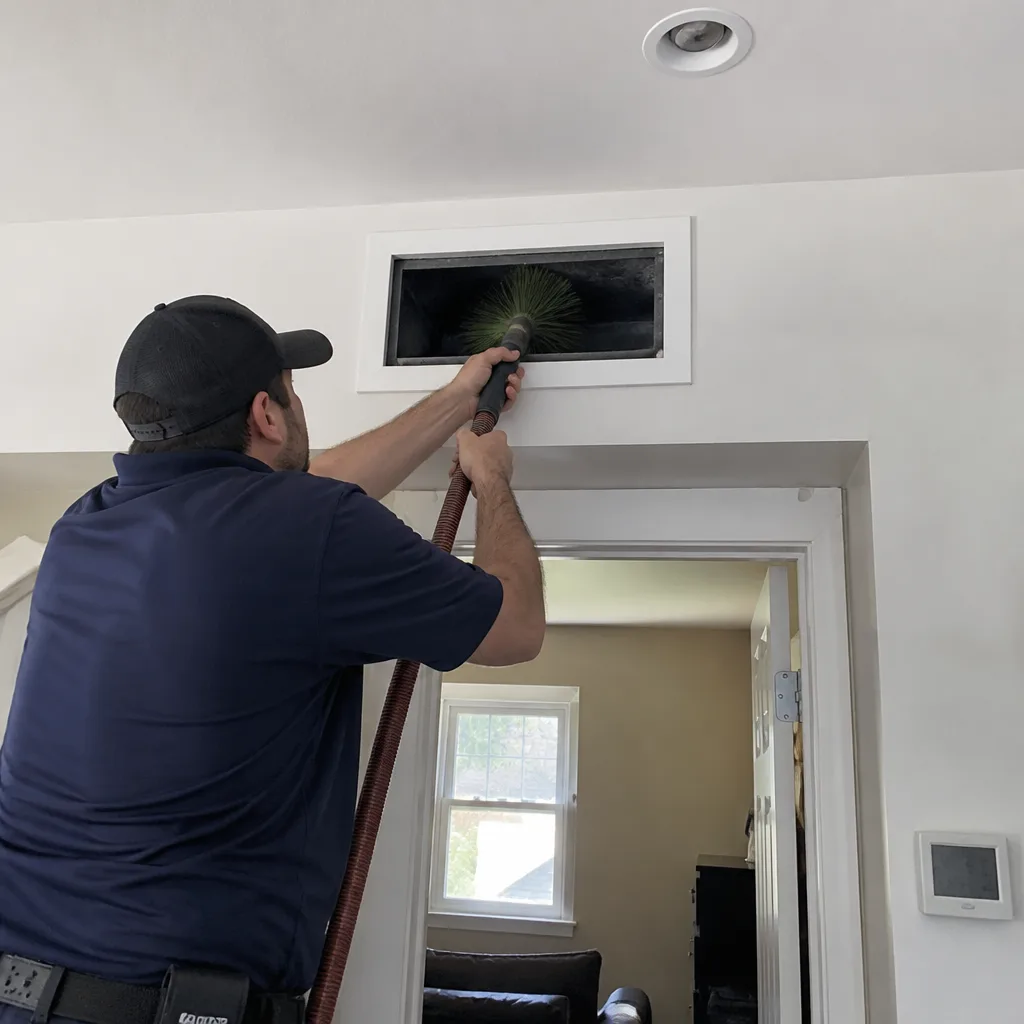 After
AfterSeasonal Air Duct Cleaning Care for Alexandria: Year-Round Homeowner’s Guide
Alexandria’s tree pollen season runs roughly eight weeks and pushes airborne particulate counts high enough that a MERV-8 filter can reach loading capacity in half its rated lifespan. A homeowner who doesn’t know that replaces their filter on schedule while running an overloaded system, and wonders why their cleaning bill is higher than their neighbor’s. In this guide and our related Air Duct Cleaning Maintenance Checklist for Alexandria Homeowners, we’ll map Alexandria’s four distinct duct-system stress events to a calendar you can actually follow: spring pollen loading, summer humidity infiltration, fall renovation dust, and winter heating-cycle disturbance. Each section explains what happens inside your ductwork, what early warning signs look like, and how to document conditions so any future service estimate is grounded in fact rather than guesswork.
Quick Answer
Seasonal air duct cleaning care in Alexandria means adjusting your maintenance rhythm to four local climate stressors: heavy tree pollen from March through May, humidity infiltration into flex duct insulation from June through September, post-renovation drywall dust from October through November, and heating-cycle particulate redistribution from December through February. A documented photo log of filter condition, register appearance, and airflow changes, tied to dates, lets you predict when cleaning is needed rather than reacting to odors or pressure drops after damage has accumulated.
Table of Contents
- Alexandria’s Climate Calendar: Four Duct Stress Events
- Spring Pollen Loading: March Through May
- Summer Humidity Infiltration: June Through September
- Fall Renovation Dust Protocol: October Through November
- Winter Heating-Cycle Disturbance: December Through February
- How to Adjust Filter Changes by Season
- Building a Year-Round Documentation Habit
- Common Mistakes to Avoid
- When to Call a Professional
- Frequently Asked Questions
- The Bottom Line
BeforeAfterAlexandria’s Climate Calendar: Four Duct Stress Events
Most duct cleaning advice treats every month the same. That doesn’t work in Northern Virginia. Alexandria sits in a transition zone between the humid subtropical climate of the coastal Southeast and the continental climate of the interior, which creates sharp seasonal shifts that load particulate, moisture, and construction debris into duct systems on a predictable schedule.
We’ve documented conditions inside Alexandria homes since 2013, and the pattern is consistent. The Potomac River moderates winter lows but traps humidity in summer. Mature tree canopy in neighborhoods like Rosemont, Del Ray, and the West End drops pollen loads that suburban developments with younger landscaping don’t see at the same scale. And Alexandria’s housing stock, heavy on 1940s-1980s construction with later additions, means many duct systems combine original galvanized steel with newer flex duct runs in attics or crawl spaces, each reacting differently to the same seasonal stress.
Here is the calendar we use when advising homeowners:
- March-May: Tree and grass pollen peaks. Oak, maple, and birch pollen in Alexandria routinely exceed 2,000 grains per cubic meter during peak days. MERV-8 filters designed for 90-day life can load in 45 days or less.
- June-September: Attic temperatures in Alexandria frequently reach 130°F while conditioned spaces run at 72°F. That temperature differential drives water vapor through flex duct insulation when attic humidity exceeds 60%, which it does most summer afternoons.
- October-November: Renovation season. Alexandria’s permit data shows a spike in kitchen and basement remodels after summer vacations end. Drywall dust from these projects has a particle size distribution that bypasses standard filters and settles in duct runs.
- December-February: Heating cycles run longer and more frequently. Furnace blowers redistribute accumulated debris that was dormant during cooling season, and temperature differentials at duct seams expand and contract, loosening tape and mastic.
The rest of this guide and our Air Duct Cleaning Cost Breakdown: The Alexandria Homeowner’s Reference for 2026 break each event into what it does to your system, what you can observe yourself, and what documentation matters if you later need service.
Spring Pollen Loading: March Through May
Alexandria’s pollen season is not a single event. It layers: tree pollen from oak, maple, birch, and pine peaks in late March through April; grass pollen follows in May; and weed pollen begins in late May, overlapping into early summer. The city’s mature canopy, especially in established neighborhoods near Fort Ward Park or along the George Washington Memorial Parkway corridor, produces pollen loads that newer exurban developments simply don’t match.
What this means for your ductwork: pollen particles range from 10 to 100 microns, with the most allergenic fractions in the 20-40 micron range. A MERV-8 filter is rated to capture 70% of particles in the 3-10 micron range at standard test conditions. But “standard conditions” don’t include eight consecutive weeks of pollen counts above 1,000 grains per cubic meter, which is routine in Alexandria from late March through mid-May. Under that load, the filter media cakes with pollen, pressure drop across the filter increases, and the blower works harder to maintain airflow. The result is bypass, where air finds paths around the filter rather than through it, carrying pollen into the duct system.
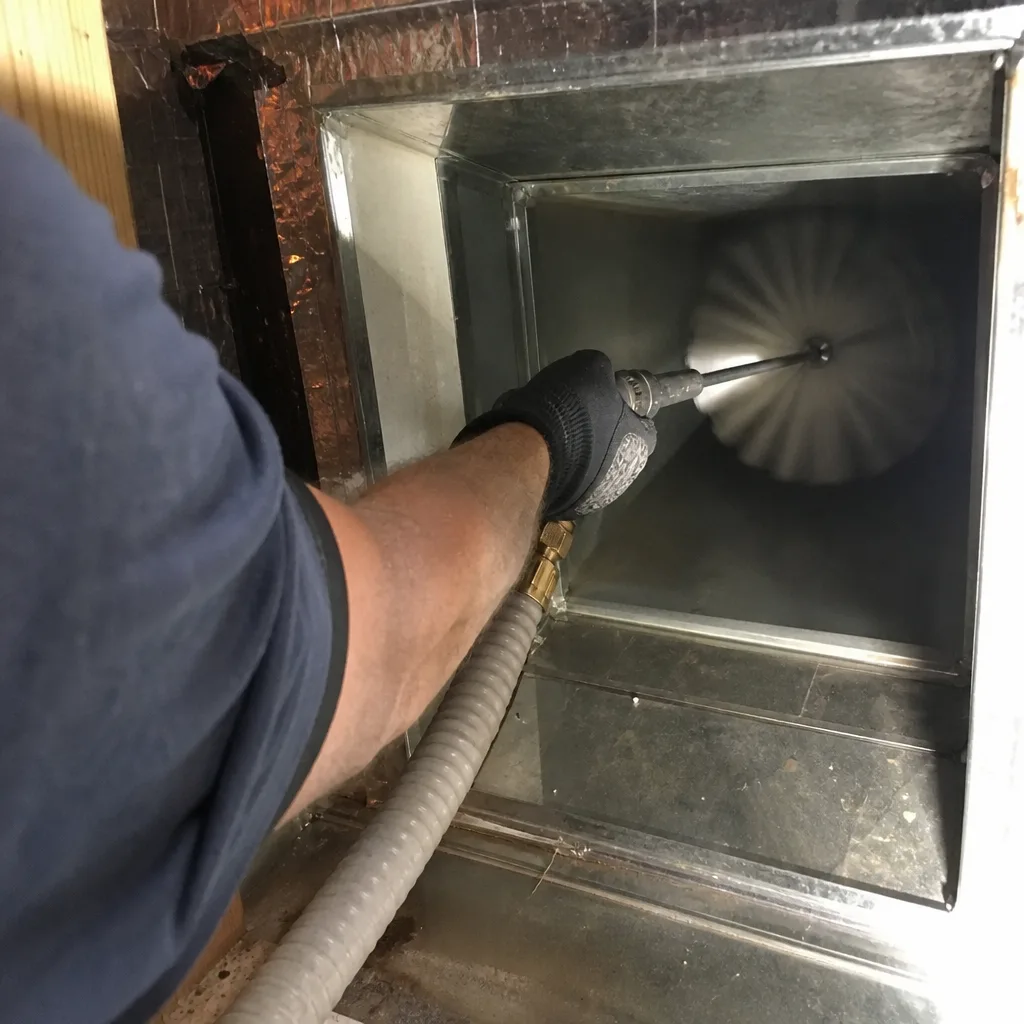
We’ve photographed the inside of duct runs in Alexandria homes in June, after pollen season, and found 2-4 millimeter deposits of fine yellow-green material at the first elbow downstream of the air handler. In one home near Jones Point Park, the camera showed a 3-inch debris build-up at the first elbow, composed primarily of pollen and filter fiber fragments that had broken down under load. The homeowner had changed filters every 90 days per manufacturer guidance and couldn’t understand why their spring energy bills had climbed 18% year-over-year. The blower was working against a clogged filter and partially obstructed ductwork.
What to do in spring:
- Check your filter every 30 days from March 1 through May 31, regardless of the rated lifespan. In Alexandria’s pollen load, 90-day filters are 45-day filters.
- Photograph the filter at removal. Date the photo. A filter that should be white or light gray and is instead yellow-green or has visible pollen accumulation on the upstream face is telling you the load is higher than the filter was designed for.
- Upgrade to MERV-11 or MERV-13 for these months if your system can handle the pressure drop. Check your HVAC manufacturer’s documentation; many systems rated for MERV-8 can run MERV-11 without blower modification, but MERV-13 may require professional evaluation.
- Schedule duct inspection for June, after pollen season ends. This is when accumulated pollen is visible but before summer humidity begins binding it to duct walls.
The Air Duct Cleaning in Alexandria page details what a full cleaning includes after heavy pollen loading.
Summer Humidity Infiltration: June Through September
“Humidity infiltration” is a term we use precisely. It does not mean your ducts are “damp.” It means water vapor is migrating through the permeable outer layer of flex duct insulation, driven by temperature and vapor pressure differentials, and condensing on the cooler inner duct surface when conditions are right.
Here’s the mechanism. In Alexandria, attic temperatures routinely reach 120°F to 140°F in July and August. The air in your attic at those temperatures can hold significant moisture. When the HVAC system cycles off, the flex duct in the attic cools toward the conditioned air temperature inside, typically 70-75°F. If the attic air’s dew point is above that cooled duct surface temperature, condensation forms on the exterior of the inner duct liner, inside the insulation jacket. The insulation, typically fiberglass with a vapor-retarder outer wrap, is not a vapor barrier. It slows vapor movement but doesn’t stop it. Over a summer, repeated condensation wets the insulation, reducing its R-value, and can lead to mold growth on the inner duct surface where the homeowner cannot see it.
The early visible signs are subtle. You may notice:
- Reduced airflow from registers served by attic duct runs, because wet insulation has compressed or the duct has sagged
- A musty odor when the system first cycles on, especially in the morning after overnight cooldown
- Water stains or rust on the ceiling around supply registers, indicating condensation at the boot connection
- In extreme cases, visible mold on the register grille or nearby ceiling surface
In Alexandria, we see this most often in homes with attic flex duct installed in the 1990s or 2000s, when R-6 insulation was standard and attic sealing was minimal. Neighborhoods like Landmark and parts of the West End have significant housing stock from this period. The problem is less common in newer construction with R-8 duct insulation and sealed attics, but even those homes can develop issues if bathroom or kitchen exhaust vents dump moisture into the attic space.
What to do in summer:
- Run your bathroom and kitchen exhaust fans during and for 15 minutes after showers or cooking. These are moisture sources that raise attic humidity.
- Inspect attic ductwork visually if you have safe access. Look for sagging flex duct, compressed or discolored insulation, or tape that has loosened. Do not attempt to repair ductwork in a hot attic; document what you see and call a professional.
- Photograph any register discoloration, water stains, or odor events with dates. This documentation is critical if you later need to file a warranty claim or dispute an insurance denial.
- Consider a whole-house dehumidifier if your summer indoor relative humidity consistently exceeds 60%. Honeywell and Aprilaire both make units sized for Alexandria’s climate zone; we install and service these as part of our air quality work.
If you suspect humidity damage, HVAC Cleaning in Alexandria includes inspection of attic duct runs with photo documentation.
Fall Renovation Dust Protocol: October Through November
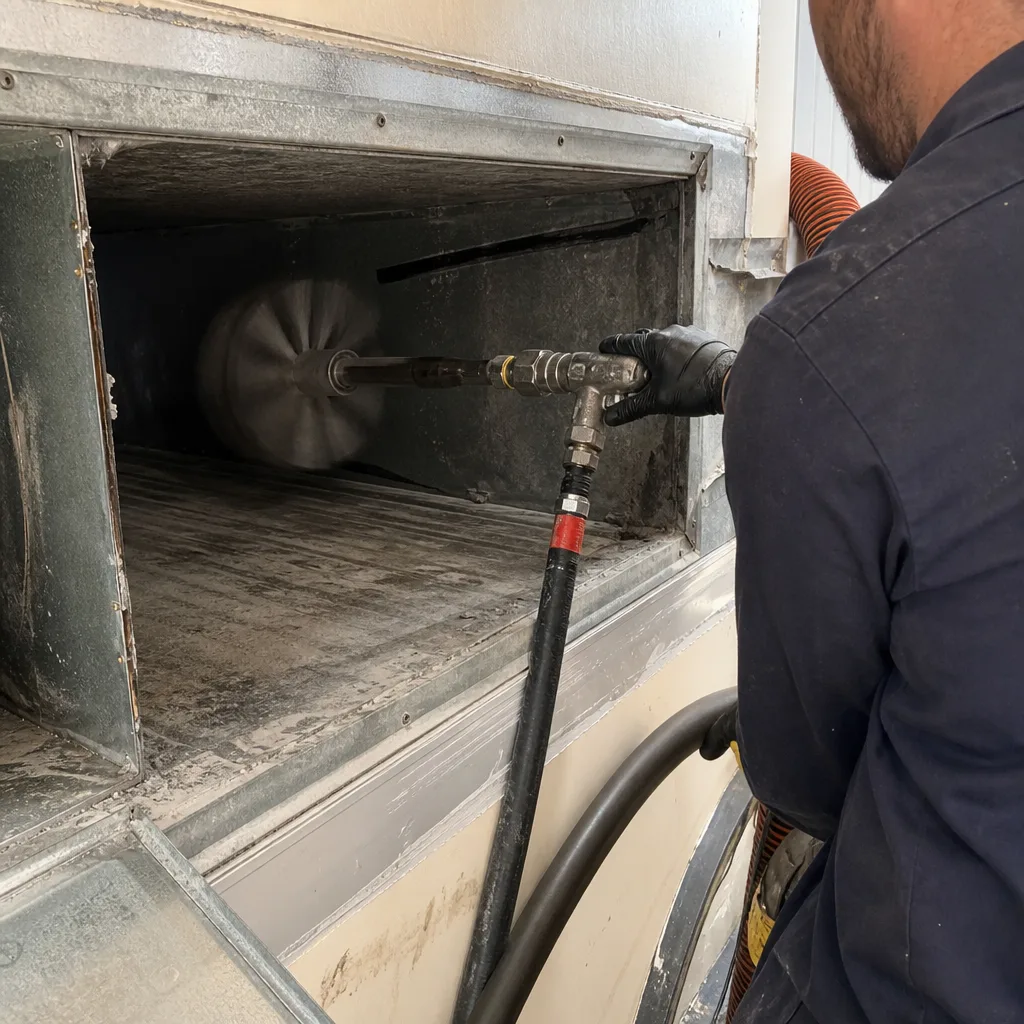
Alexandria’s permit data shows a consistent spike in residential renovation permits issued in September, with work peaking in October and November. Homeowners return from summer vacation, school schedules stabilize, and contractors have availability before holiday slowdowns. The result is a wave of kitchen remodels, basement finishes, and whole-house renovations that generate drywall dust, sawdust, and fiberglass insulation fragments.
Drywall dust is particularly problematic for duct systems. Joint compound dust has a particle size distribution heavily weighted toward 1-5 microns, with significant fractions below 1 micron. These particles bypass standard MERV-8 filters, remain airborne for hours after visible dust has settled, and deposit in duct runs where airflow velocity drops, such as at elbows, transitions, and near registers. We’ve photographed duct interiors in Alexandria homes post-renovation and found white drywall compound residue 15 feet downstream from the nearest construction area, carried by the HVAC system during the weeks when the homeowner was running the system normally, assuming the visible cleanup was sufficient.
The critical protocol: do not run the HVAC system routinely during active renovation, and insist on duct inspection before returning to normal operation.
Post-renovation duct protocol:
- During renovation, seal return air registers in work areas with plastic and painter’s tape. This prevents the negative pressure at the return from pulling dust into the duct system.
- After final cleanup, wait 48 hours with the HVAC off. This allows the finest particles to settle out of the air.
- Replace the filter. The filter that was in place during renovation is loaded with construction particulate and will redistribute it if left in service.
- Run the system on “fan only” for 2 hours with a fresh filter, then inspect that filter. If it shows visible discoloration or dust loading, the duct system has picked up debris and needs professional inspection.
- Schedule duct inspection and cleaning before the heating season begins. Fall is the optimal time: construction dust is fresh and hasn’t been baked onto duct surfaces by summer heat or bound with humidity.
We document every post-renovation cleaning with before-and-after photography of each duct run. In a 2022 job in the Seminary Hill area, the camera showed a quarter-inch layer of joint compound dust on the floor of a horizontal duct run, invisible from the register. The homeowner had completed a kitchen remodel six weeks earlier and had been running the system normally. The dust was fresh enough to remove completely with negative-pressure extraction using our Nikro equipment. Left longer, it would have hardened and required more aggressive cleaning.
The Dryer Vent Cleaning in Alexandria page covers another common post-renovation issue: lint accumulation from displaced dryer vents during basement or laundry room remodels.
Winter Heating-Cycle Disturbance: December Through February
Winter in Alexandria is milder than in points north, but heating cycles still run longer and more frequently than in shoulder seasons. The average January low is 29°F, and stretches below 20°F are common enough that furnaces operate at capacity for days at a time. This creates three distinct effects on duct systems.
First, thermal cycling at duct seams. When the furnace cycles on, metal ductwork expands; when it cycles off, it contracts. After thousands of cycles, tape and mastic at joints fatigue. In older Alexandria homes with galvanized steel ductwork, we’ve found separations at the longitudinal seams of rectangular trunk lines, especially where ducts pass through unconditioned crawl spaces with temperature swings more extreme than interior spaces. These separations pull unconditioned air into the system, reducing efficiency and introducing crawl space particulate: soil dust, rodent debris, and in older homes, fragments of degraded duct liner.
Second, redistribution of accumulated debris. During cooling season, dust and pollen settle in low-velocity areas of the duct system. When heating cycles begin, the warmer air is less dense and moves at different velocities, re-entraining settled material. Homeowners often report a “burning dust” smell when first running heat in October or November. This is partially normal, surface dust on heat exchangers or registers. But if the odor persists beyond 24 hours of operation, it indicates significant debris accumulation in ductwork.
Third, humidifier interactions. Many Alexandria homeowners add whole-house humidifiers for winter comfort. If not maintained, these become sources of microbial growth. Water panels that aren’t changed seasonally develop biofilm. Humidifier supply lines can leak, wetting nearby duct insulation. And over-humidification, especially in older homes with less airtight envelopes, can drive moisture into wall cavities and attic spaces where it condenses on cold surfaces.
What to do in winter:
- Run the first heating cycle of the season with windows open for 30 minutes if weather permits, to vent normal surface dust odor. If odor persists beyond 24 hours, schedule inspection.
- Inspect visible ductwork in basement or utility areas for gaps at seams, disconnected flex duct, or rust streaks indicating past condensation.
- Change humidifier water panels per manufacturer schedule, typically monthly during heating season. Photograph the old panel at removal; slime or discoloration indicates biofilm.
- Monitor indoor humidity with a calibrated hygrometer. Target 30-40% relative humidity. Above 45% in an older Alexandria home risks condensation on windows and within walls.
In our experience, January is the month we receive the most odor-related calls in Alexandria. Homeowners have been running heat continuously for weeks, and any accumulated debris has been thoroughly redistributed. A documented photo log from earlier seasons helps us identify whether the issue is new or cumulative.
How to Adjust Filter Changes by Season
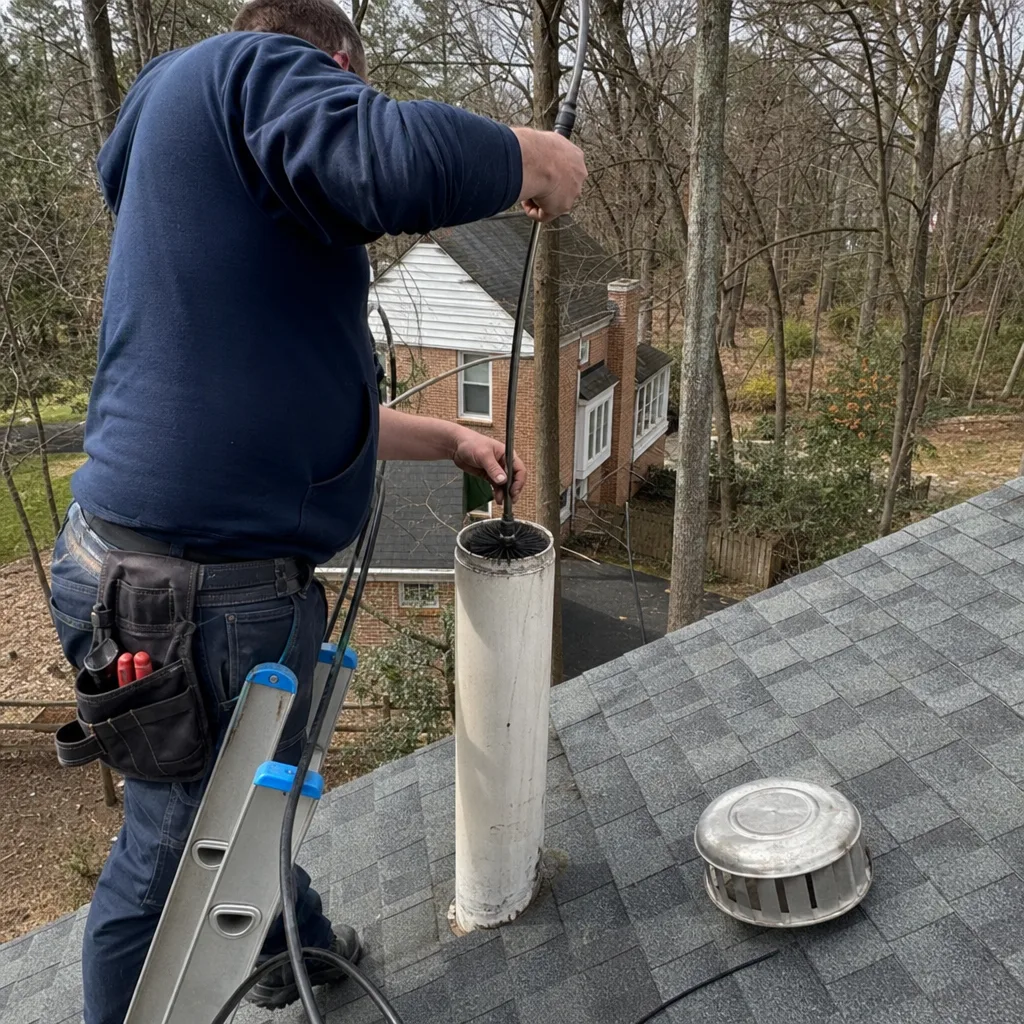
The standard advice, “change your filter every 90 days,” is wrong for Alexandria. It ignores pollen load, humidity effects on filter media, and renovation activity. We’ve developed a season-specific filter protocol based on what we’ve measured in local homes.
Visual indicators that override the calendar:
- Upstream face discoloration: A filter that should be white or light gray and is instead yellow, green, or gray-black has reached capacity. In spring, yellow-green indicates pollen loading. In fall, gray-white suggests drywall dust.
- Pressure drop: If your system has a filter pressure gauge, or if you install an inexpensive manometer, a reading 50% above clean-filter baseline means the filter is restricting airflow. We see this most often in May and September in Alexandria.
- Physical deformation: A pleated filter that has bowed inward toward the blower, or whose pleats have collapsed together, is overloaded and bypassing air around the edges.
- Odor at registers: A “dirty sock” smell when the system cycles suggests microbial growth on the filter itself, common in humid summer conditions when filters stay wet.
Recommended Alexandria filter schedule:
| Season | Interval | Filter Type | Notes |
|---|---|---|---|
| March-May | 30 days | MERV-11 pleated | Check visually every 2 weeks during peak pollen |
| June-September | 60 days | MERV-8 pleated | Inspect for moisture damage or biofilm |
| October-November | 30 days if renovating; 60 days otherwise | MERV-11 pleated | Replace immediately post-renovation |
| December-February | 60-90 days | MERV-8 pleated | Inspect humidifier panel monthly |
This schedule assumes standard 1-inch pleated filters. If you have a 4-inch or 5-inch media filter, intervals can double, but visual inspection remains critical. We’ve seen 4-inch filters loaded in 60 days during heavy pollen in Alexandria.
Never run a system without a filter, even briefly, to “clear dust.” The filter protects the blower and evaporator coil. Running without it deposits debris on wet coil surfaces where it becomes nearly impossible to remove without professional cleaning.
Building a Year-Round Documentation Habit
The most accurate cleaning estimate we’ve ever given came from a homeowner in the Beverly Hills neighborhood of Alexandria who handed us a phone album with 47 dated photos: filters at removal, register grilles, a water stain that appeared in March and disappeared in June, and a note about a “musty start-up smell” on October 15, 2019. We knew exactly what to look for, where, and in what order. The job took 40% less time than a comparable home with no history, and the homeowner’s final invoice reflected that.
Documentation is not about being obsessive. It’s about creating a record that makes future service faster, more accurate, and more defensible if something goes wrong. The H.A.V.E.N. Standard requires that we provide documented photo records on every job we perform; we ask that homeowners meet us halfway with their own records of system behavior between visits.
The minimum viable documentation habit:
- Filter photos: At every filter change, photograph the removed filter against a white background with the date visible. Note the runtime since last change if your thermostat tracks it. Store in a dedicated phone album.
- Register inspection: Quarterly, photograph each supply and return register. Look for dust accumulation on grille fins, discoloration of surrounding ceiling or wall, and any visible debris inside the duct opening. Date each photo.
- Odor and airflow log: When you notice a change, note it. “September 3, musty smell at startup, master bedroom register only, lasted 10 minutes.” This specificity helps us locate the source.
- Energy bill anomalies: If a bill jumps 15% or more without weather explanation, screenshot the usage graph from your utility account. Duct leakage or blockage often shows here before it shows anywhere else.
- Service records: Keep written estimates, invoices, and warranty documents in one place. When we provide a Free Second Opinion on any written estimate, we compare our findings directly to prior documentation.
This record becomes powerful when you need it. A homeowner in the Warwick Village area used two years of filter photos to demonstrate that their MERV-13 filters were loading in 21 days, not 90. We identified an unsealed return air path pulling attic air, fixed the leak, and cut their filter costs by 60%. Without the photo record, we would have guessed.
The CleanRun Air Duct Cleaning Alexandria home page explains how we integrate your documentation with our own on every job.
Common Mistakes to Avoid
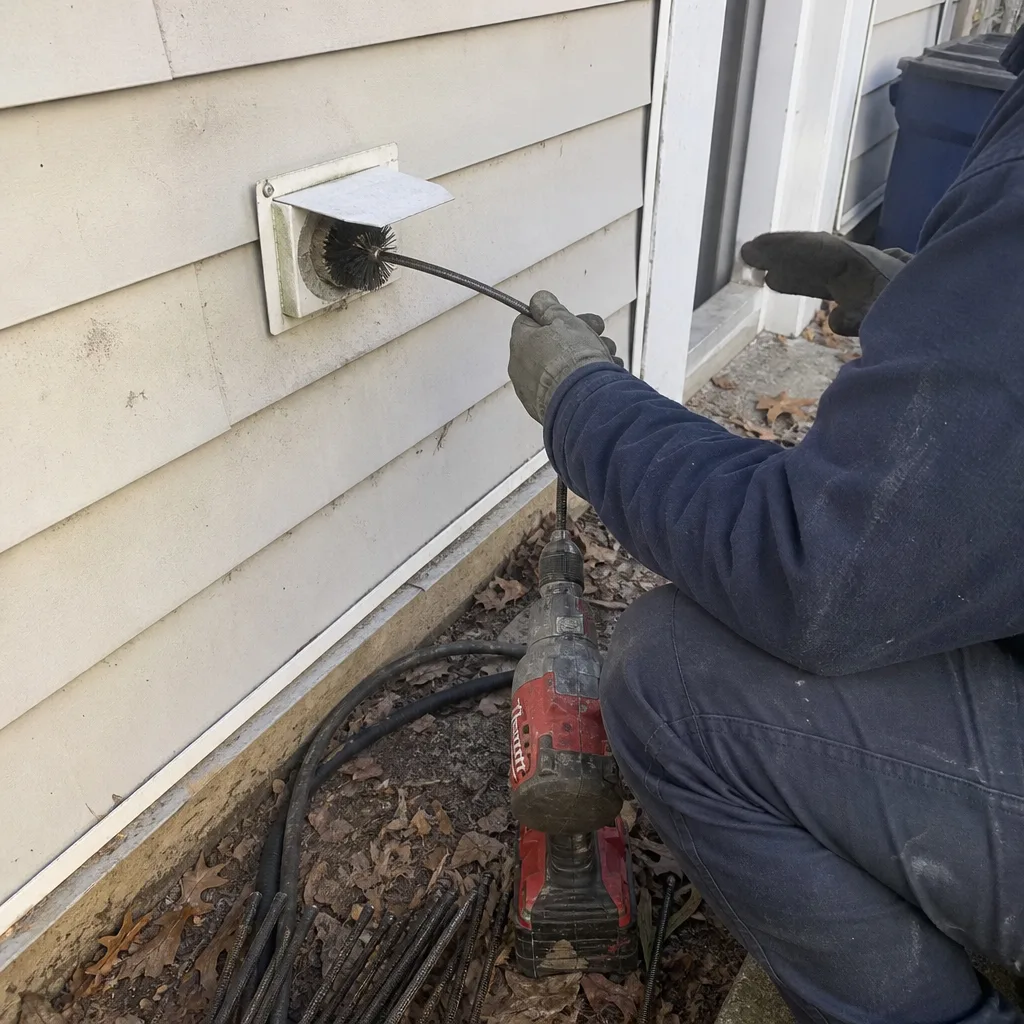
- Changing filters on a fixed calendar regardless of load. In Alexandria’s pollen season, a 90-day filter can be a liability at day 45. The calendar is a starting point, not a rule.
- Running HVAC during active renovation without return register sealing. Drywall dust is finer than most filters capture. We’ve cleaned ducts in homes where the homeowner ran the system for six weeks of basement finishing and loaded every run with joint compound.
- Ignoring humidifier maintenance. A water panel left in place for two seasons becomes a biofilm factory. The musty smell spreads through the entire duct system and can require sanitizing, not just cleaning.
- Assuming new construction means clean ducts. Alexandria’s infill construction and gut renovations often leave construction debris in ductwork. We inspected a 2021 new build in the Potomac Yard area and found sawdust and fastener fragments in three runs. The homeowner had never run the system before our inspection.
- Using the cheapest available filter. Fiberglass panel filters (typically MERV-1 to MERV-4) protect the equipment barely and capture almost no respirable particulate. They are false economy in a pollen-heavy climate.
- Sealing registers with tape long-term. Duct tape on registers leaves adhesive residue that attracts dust and can damage finishes. Use painter’s tape for temporary sealing during renovation only.
- Waiting for visible dust or odor before acting. By the time you see dust at registers or smell mustiness, the problem has progressed. Documentation lets you catch trends before they become symptoms.
When to Call a Professional
Some conditions require Air Duct Cleaning services with equipment and training beyond homeowner capability. Call for professional inspection if you observe: persistent musty or chemical odors after filter changes; visible mold on any duct surface; water stains or rust near registers; reduced airflow from specific registers that doesn’t resolve with grille cleaning; or a sudden increase in energy usage without weather explanation.
CleanRun Air Duct Cleaning Alexandria offers free estimates in Alexandria. Every estimate includes a written price before any work begins, under Haven Standard Clause 1. Our technicians are background-checked and uniformed, operating under Haven Standard Clause 3: Verified Crews. We photograph every duct run before and after cleaning, and every job is backed by the 365-Day Done Right Promise. Call (240) 318-7712 to schedule.
Frequently Asked Questions
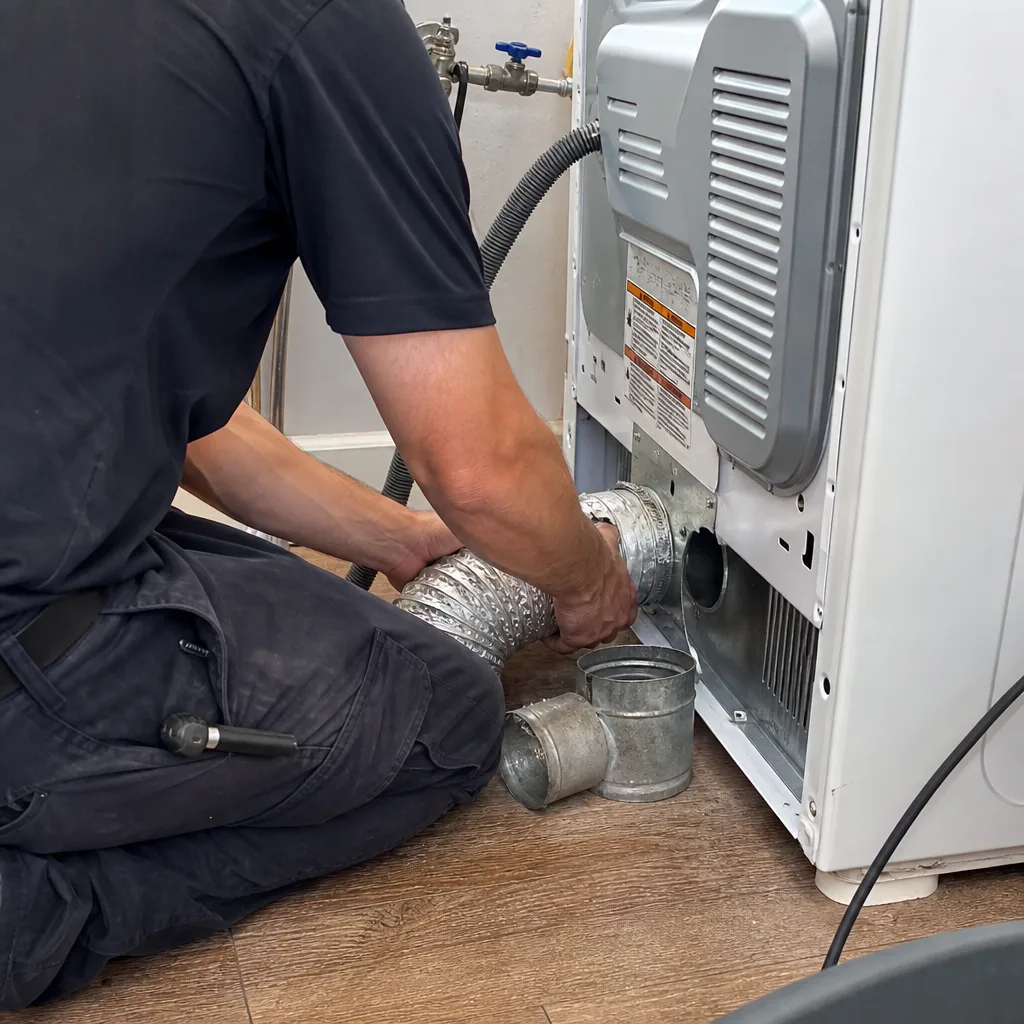
Whole-system air duct cleaning in Alexandria typically ranges from $450 to $850 for a single-family home, depending on system size, accessibility, and condition. CleanRun provides a written price before any work starts, every time, under Haven Standard Clause 1. We do not quote per-vent prices or offer teaser coupon rates that change once the crew arrives. Call (240) 318-7712 for an exact quote, estimates are free.
The $79-$129 coupon offers common in this industry typically cover a brief vacuuming of accessible registers, not full-system cleaning with negative-pressure extraction and photo documentation. The real work, using professional equipment like our Rotobrush and Nikro systems, takes 3-5 hours in a typical Alexandria home. A low initial quote that balloons after arrival is the industry’s most common complaint. CleanRun’s written price is the price you pay.
Ask for photo documentation of every duct run, before and after. CleanRun includes this as a standard deliverable on every job, a practice we’ve held since 2013. If a company cannot show you the inside of your ducts, you cannot verify what was cleaned. We deliver dated photos of each run as part of your job record.
In Alexandria’s climate, with its heavy pollen load and humidity, we recommend inspection every 3-5 years for homes without specific risk factors, and cleaning when inspection shows accumulation. Homes with pets, recent renovation, or occupants with respiratory conditions may need more frequent service. The documentation habit described in this guide and our more guides & resources lets you make that decision based on evidence, not calendar fear.
Surface cleaning of registers and visible duct openings is safe homeowner maintenance. But negative-pressure cleaning of the full duct system requires equipment like the Rotobrush and Nikro systems we use, plus training in HVAC system protection. Attempting to clean ducts without proper equipment can damage flex duct, dislodge connections, or introduce moisture that promotes microbial growth. We do not recommend DIY duct cleaning.
Yes. The combination of high pollen, summer humidity, and temperature swings means Alexandria duct cleaning requires equipment capable of both particulate removal and moisture management. Our equipment roster includes Rotobrush for mechanical agitation, Nikro for negative-pressure extraction, and Abatement Technologies HEPA filtration to prevent redistribution of fine particulate during cleaning. We also install Honeywell and Aprilaire dehumidification and filtration equipment for homes with chronic humidity issues.
The Bottom Line
Alexandria’s climate creates four distinct opportunities for duct system degradation: spring pollen that overloads filters in weeks, summer humidity that infiltrates flex duct insulation, fall renovation dust that bypasses standard filtration, and winter heating cycles that redistribute accumulated debris and stress duct seams. Addressing each on a calendar, with seasonal filter adjustments and simple documentation, costs less and prevents more than reacting to odors or pressure drops after damage has accumulated. The homeowners who spend least on duct maintenance over a decade are those who treat it as predictable prevention, not emergency response.
Written by Tomas Reyes, Owner at CleanRun Air Duct Cleaning Alexandria, serving Alexandria since 2013.