
Last updated September 23, 2026
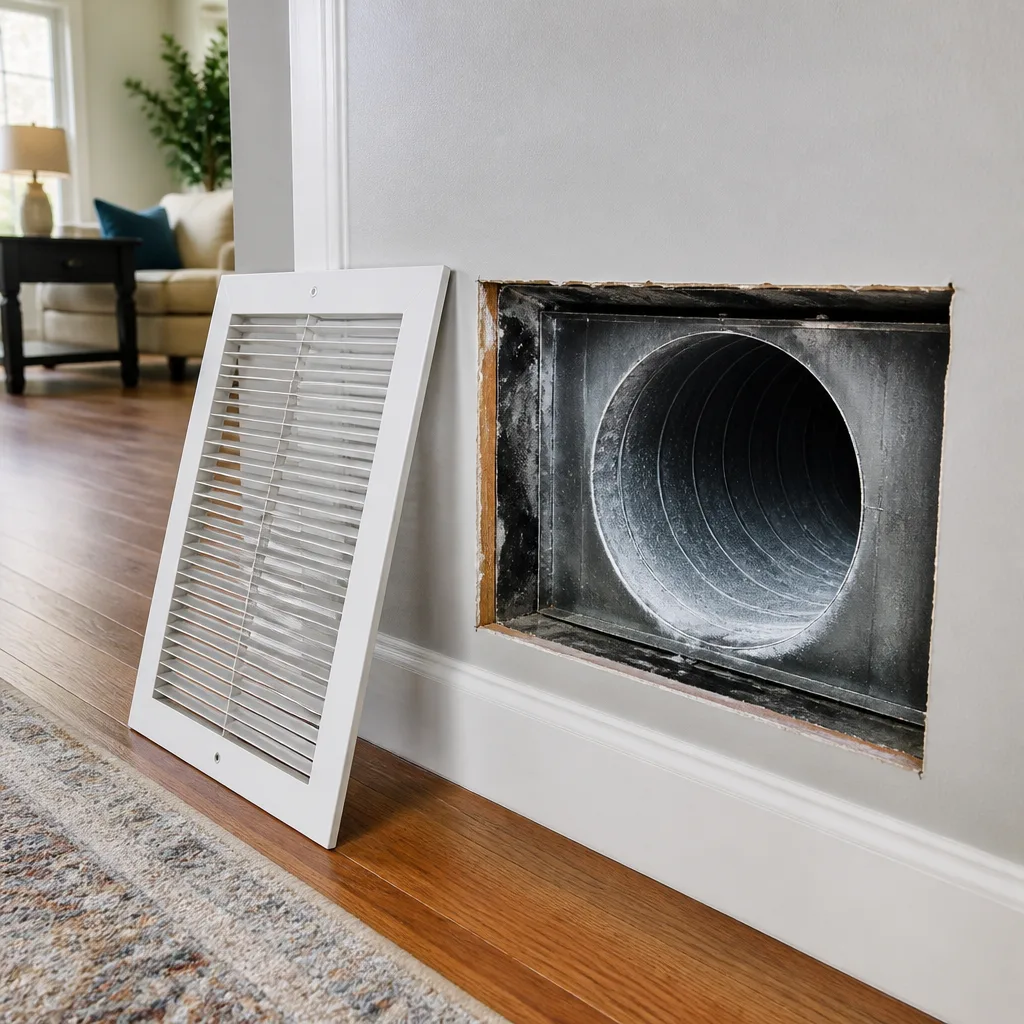
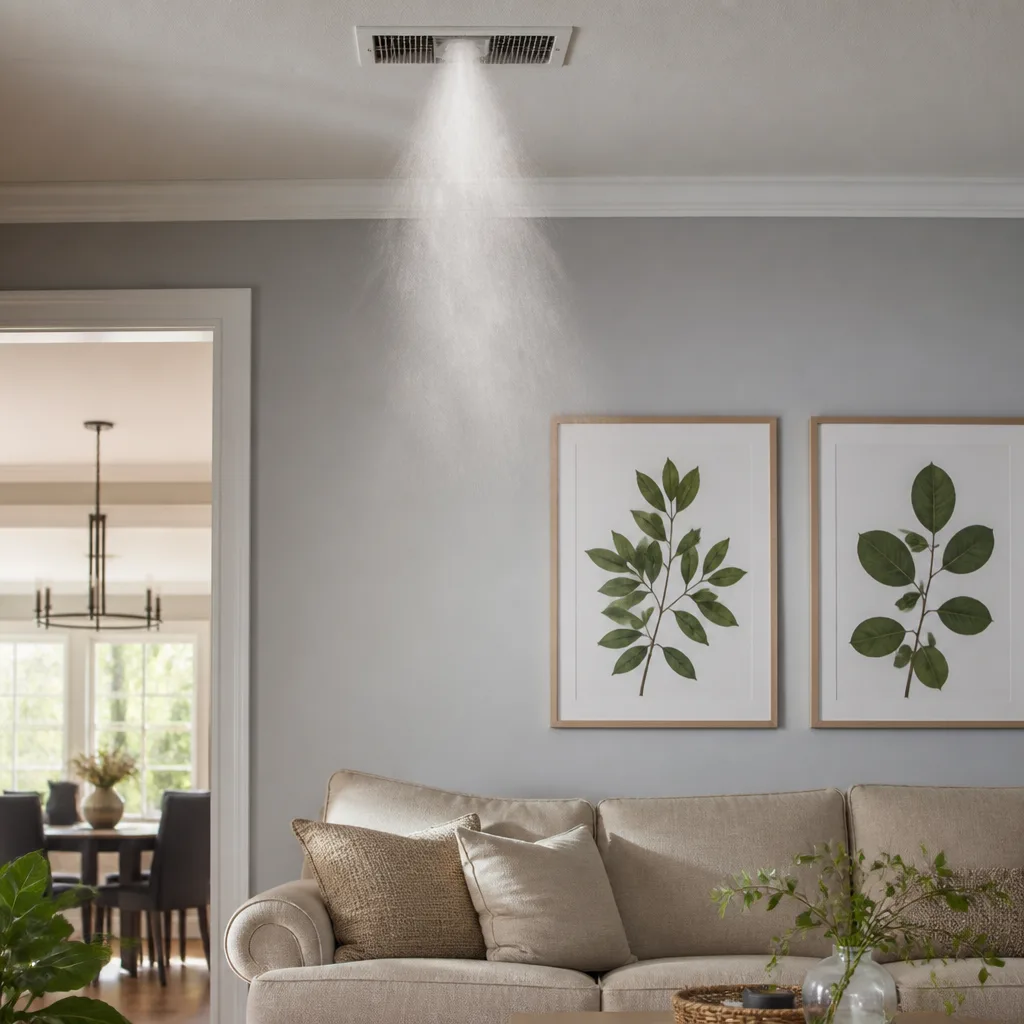
Whole-system duct and dryer vent check with before-and-after photos - you see exactly what came out of your vents
That "$99 whole-house special" is a bait ad - the real number appears once they are in your hallway, or the "clean" is a shop-vac at the register. We photograph the inside of your ducts before and after instead.
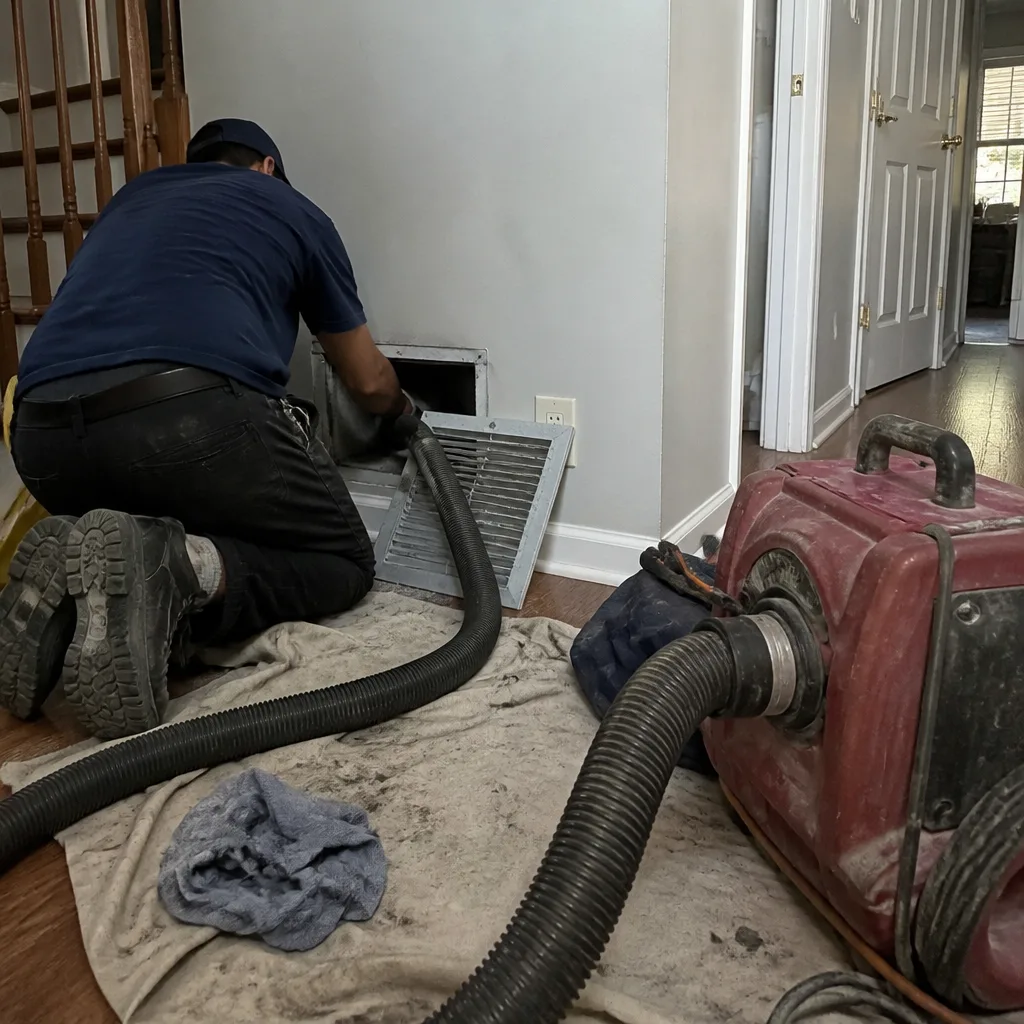 Before
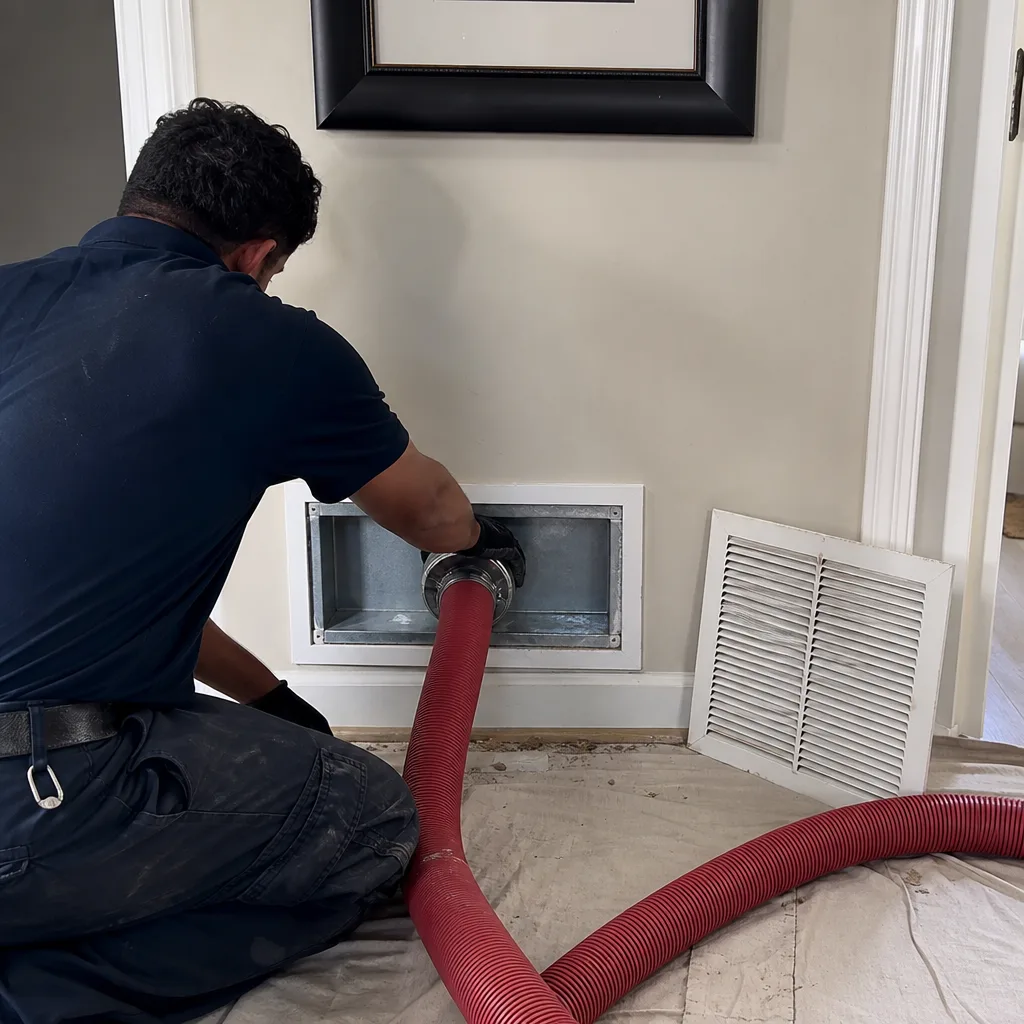 After
After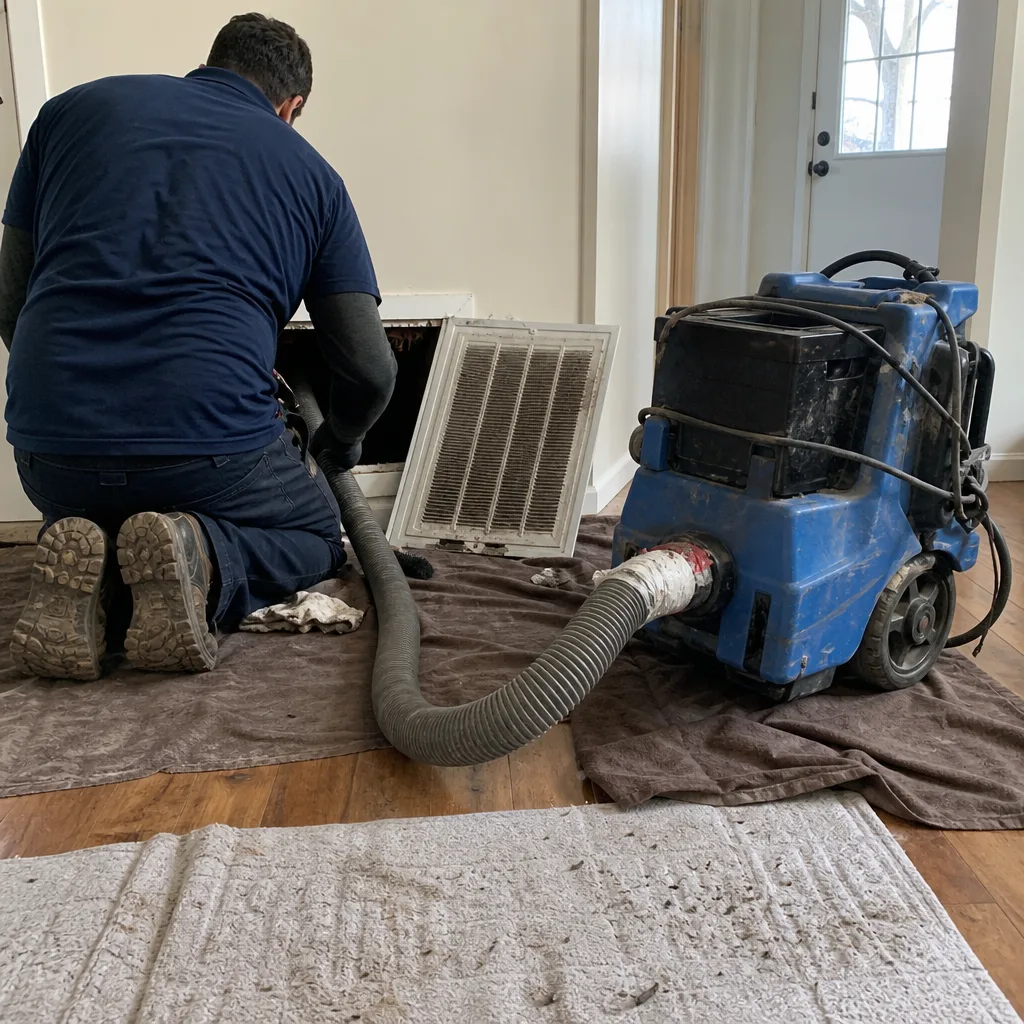 Before
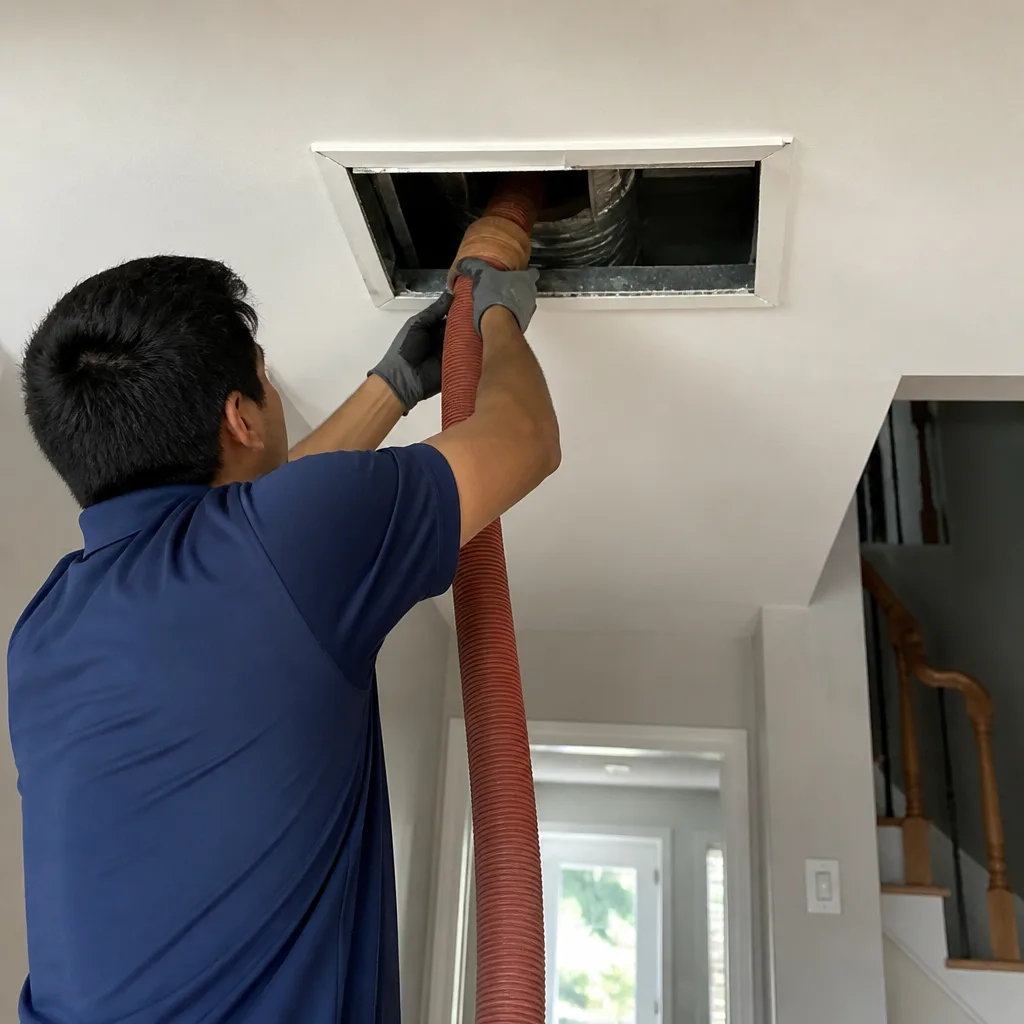 After
After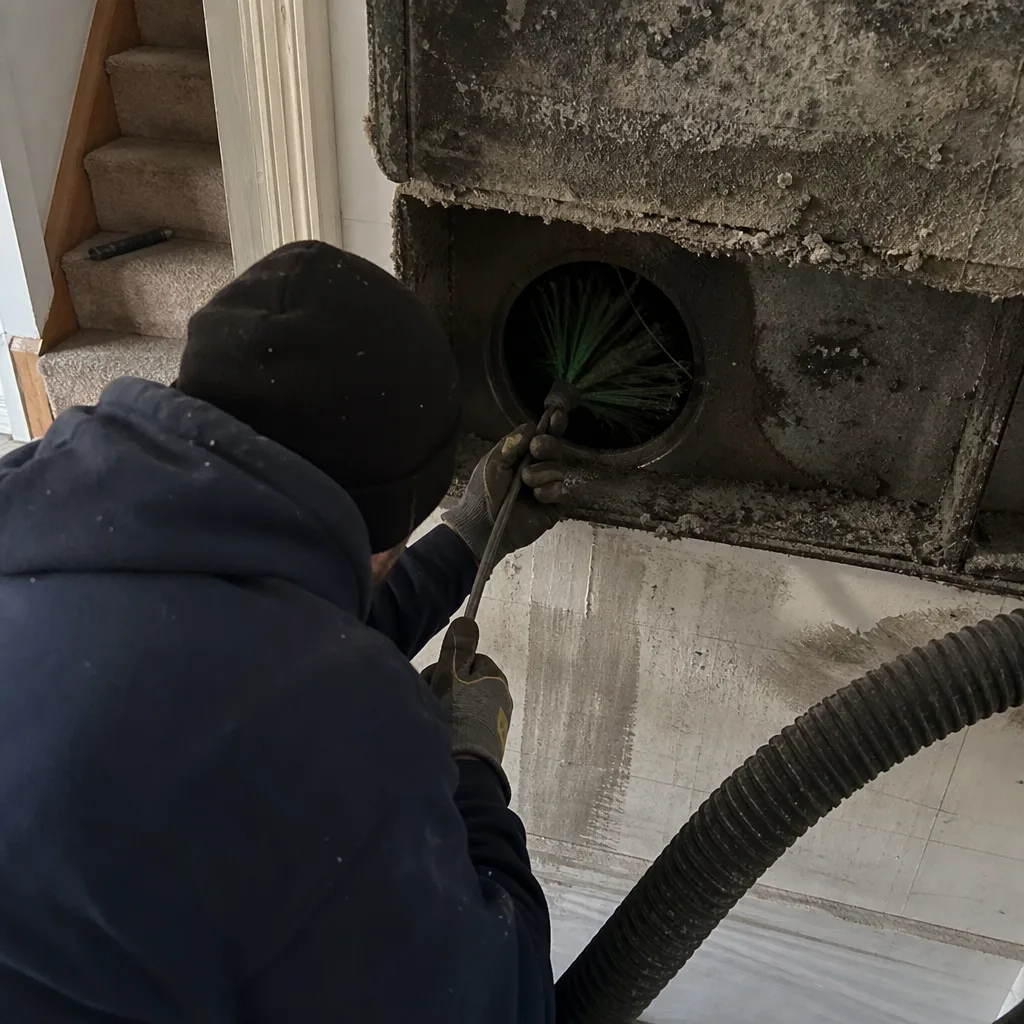 Before
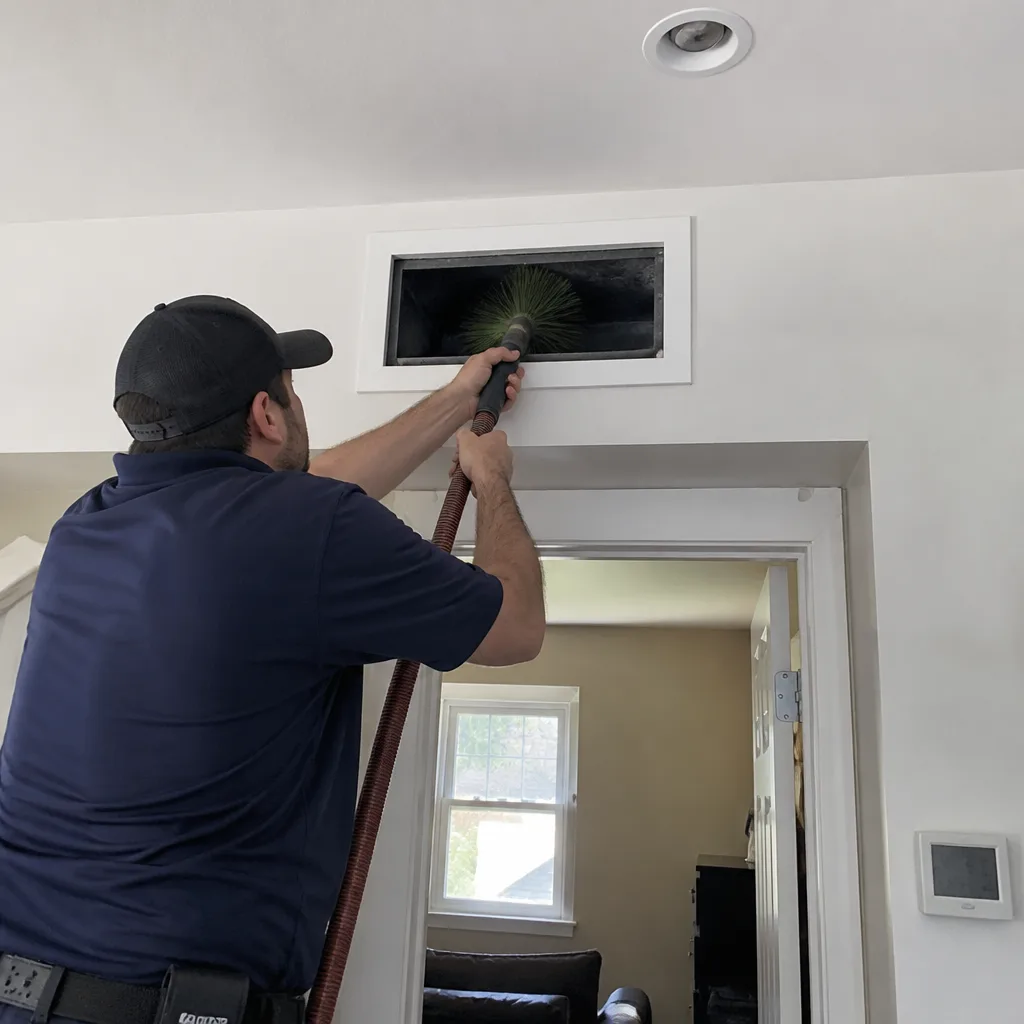 After
AfterAir Duct Cleaning Maintenance Checklist for Alexandria Homeowners
The most expensive duct cleaning mistake isn’t skipping the service - it’s calling a contractor before you know whether your filter is MERV-8 or MERV-13, whether your return grilles are sealed or gap-mounted, or whether your last service produced any paperwork at all. Those three facts change what you need and what you should pay. In Alexandria, where pollen loads from the Potomac corridor and humidity swings from the Chesapeake Bay climate create distinct seasonal stress on HVAC systems, homeowners who arrive at a service call with documented evidence routinely get more precise scopes and avoid the bait-and-switch pricing that dominates this industry. This checklist gives you 12 observable, photographable conditions to check yourself, so you walk into every appointment with facts rather than assumptions.
Quick Answer
Air duct cleaning maintenance in Alexandria means performing a quarterly visual inspection of supply and return grilles, tracking filter changes with MERV ratings and dates, checking flex duct connections for sag or disconnection, and maintaining a seasonal log tied to local pollen and humidity patterns. Most Alexandria homeowners need our Air Duct Cleaning services every 3 to 5 years, with dryer vent cleaning annually, though homes with pets, recent renovations, or visible debris at registers should schedule sooner. Bring your checklist findings, existing documentation, and specific questions about written scope coverage to every contractor appointment.
Table of Contents
- Room-by-Room Visual Inspection Protocol
- Filter Tracking: MERV Ratings, Change Dates, and Bypass Signs
- Flex Duct Connections: The Three Failure Modes Cleaning Won’t Fix
- Alexandria Seasonal Log Template
- What to Bring to a Contractor Appointment
- What Duct Cleaning Costs in Alexandria
- Professional Equipment Standards
- Common Mistakes to Avoid
- When to Call a Professional
- Frequently Asked Questions
BeforeAfterRoom-by-Room Visual Inspection Protocol
You don’t need specialized tools to document what your ductwork is telling you. A flashlight, a phone camera, and 20 minutes per floor will produce more useful information than most homeowners bring to a service call. Here’s what to look at and what the findings mean.
What You’ll Need
- Flashlight with a focused beam (phone flash works for grilles, not duct interiors)
- Phone camera with timestamp enabled
- Notepad or notes app for location-specific observations
- Flathead screwdriver for removing standard grilles (most are held by 2-4 screws)
The 12-Point Inspection Sequence
- Start at the return grille nearest the air handler. This is typically the largest grille in the home, often in a hallway or central living area. Remove the grille and photograph the duct opening. Look for dust depth: a light coating you can wipe with a finger is normal; buildup you can scoop or that obscures the metal surface is not.
- Note dust color and texture at each location. Fine, uniform gray dust indicates normal filtration. Dark, fibrous material suggests deteriorating duct liner or degraded filter media. Black, sooty deposits near kitchen returns point to grease carryover from range hoods. In Alexandria’s older neighborhoods like Old Town or Del Ray, we’ve seen reddish-brown dust from century-old brick mortar degradation - a finding that changes the recommended service scope entirely.
- Check supply registers in bedrooms for directional consistency. All supply registers should blow air when the system runs. A register with weak or no airflow may indicate a disconnected duct run (the branch line that feeds that room) or a blockage. Mark these locations; they’re the first places a technician should investigate with a camera.
- Inspect ceiling supplies for water staining. In Alexandria’s humid summers, condensation on poorly insulated ductwork in unconditioned attics produces telltale brown rings around ceiling grilles. This is a duct repair issue, not a cleaning issue. Photograph any staining and note whether it’s active (soft to touch) or old (dry and rigid).
- Examine return grilles for gap mounting. The grille should sit flush against the wall or ceiling with no visible gap between the grille frame and the finished surface. A 1/4-inch gap around a 14×20-inch return pulls unfiltered air from the wall cavity directly into the system, bypassing the filter entirely. In Alexandria’s post-2000 construction, we’ve found this condition in roughly 30% of homes where the original installer used undersized rough openings.
- Photograph the condition of grille fins. Bent or missing fins disrupt airflow patterns and create noise. They’re also a sign of physical damage that may indicate prior contractor carelessness or homeowner DIY attempts.
- Check floor supplies in basement or utility areas for debris accumulation. These low points collect whatever settles through the system. A teaspoon of debris is normal; a half-cup suggests significant upstream contamination or long service intervals.
- Document any visible mold or microbial growth. Musty odor plus visible spotting on duct metal or grille surfaces warrants professional assessment, not DIY cleaning. In Alexandria’s September humidity peak, we’ve documented active growth in homes where the AC was oversized and cycled too briefly to dehumidify properly.
- Note the presence and condition of balancing dampers. These are small levers on the duct trunk line near branch takeoffs, visible in unfinished basements or utility rooms. They should move freely and be positioned for seasonal adjustment. Seized dampers indicate long neglect and may explain uneven temperatures room-to-room.
- Inspect the air handler cabinet for filter bypass evidence. Open the blower compartment (power off) and look for dust accumulation on the clean side of the filter rack. Any dust here means air is going around, not through, your filter.
- Photograph the condensate drain pan and line. Standing water, algae staining, or rust indicates drainage problems that affect humidity control and can contaminate airflow. Alexandria’s hard water from the Potomac aquifer accelerates mineral buildup in these lines.
- Record the condition of flex duct at visible connections. Flex duct - the ribbed, flexible tubing common in branch runs - should be fully extended with gentle bends, not kinked, compressed, or sagging between supports. We’ll cover this in detail in the next section.
Store these photos with location tags and dates. When you call for service, you have a baseline that prevents any contractor from telling you what you “probably” have.
Filter Tracking: MERV Ratings, Change Dates, and Bypass Signs
Your filter history is the single most predictive factor for duct cleaning frequency, yet most homeowners treat filter changes as reactive maintenance. A documented filter log transforms that.
What MERV Rating Means and Why It Matters
MERV (Minimum Efficiency Reporting Value) measures a filter’s ability to capture particles between 0.3 and 10 microns. The scale runs 1-16 for residential applications. Here’s what each range means for your ducts:
- MERV 1-4: Basic fiberglass panels. Capture only large particles. In Alexandria’s pollen-heavy spring, these load quickly and allow fine particulate deep into the system. Duct cleaning need accelerates.
- MERV 5-8: Pleated media, most common in standard construction. Adequate for typical residential loads with 90-day change intervals.
- MERV 9-12: Higher-density pleated filters. Better for homes with pets, allergies, or near high-traffic corridors like Route 1 or the Beltway. Require more frequent changes due to higher pressure drop.
- MERV 13-16: Hospital-grade filtration. Excellent particle capture but can strain older blower motors and require professional system evaluation before installation. In Alexandria’s 1940s-1960s housing stock, we’ve seen MERV-13 filters deform from inadequate fan capacity, creating filter bypass.
The Filter Log Format
Create a simple running record:
Location: [Filter size, e.g., 16x25x1]
Date installed: [MM/DD/YYYY]
MERV rating: [Number]
Brand/model: [For consistency tracking]
Condition at removal: [Light loading / Moderate / Heavy / Bypass evidence]
Photo: [Y/N]
After three changes, you’ll see your actual usage pattern versus the manufacturer’s generic recommendation. Homes in Alexandria’s Belle Haven or Mount Vernon areas, with higher tree pollen and proximity to the Potomac’s humidity, typically see 30-40% faster filter loading than manufacturer estimates.
Filter Bypass: What to Look For
Filter bypass occurs when air finds a path around the filter rather than through it. The evidence is on the clean side:
- Dust accumulation on the blower motor or housing, visible when you open the air handler cabinet
- Dirty streaks on the filter frame or rack, indicating air leakage at the edges
- A filter that appears clean in the center but dirty at the perimeter, suggesting dimensional mismatch or warping
- Audible whistling at the filter slot, especially when the system starts
Bypass nullifies filter investment and accelerates duct contamination. In our work across Alexandria, we’ve found bypass in homes where the homeowner upgraded to MERV-11 or MERV-13 filters without verifying that the filter rack was properly sealed or that the blower could handle the increased static pressure - one of several Air Duct Cleaning Warning Signs: A Alexandria Homeowner’s Reference Guide we document. The upgrade intended to improve air quality instead routed dirty air around the obstruction.
Flex Duct Connections: The Three Failure Modes Cleaning Won’t Fix
Flex duct is the corrugated, flexible tubing that connects the rigid metal trunk line to individual room registers. It’s common in Alexandria homes built after 1980 and in retrofitted older homes. Cleaning debris from flex duct is possible, but three structural failures make cleaning irrelevant or even counterproductive.
Failure Mode 1: Sag
Flex duct must be supported every 4-5 feet with straps or hangers that maintain a gentle, gradual slope back to the trunk line or drain point. When supports fail or were never installed, the duct sags between points. Condensate and debris collect in the low point, creating a reservoir that re-contaminates airflow after any cleaning. In Alexandria’s humid climate, sagging flex duct in unconditioned attics is a chronic issue; we’ve photographed pools of standing water in sag points during July service calls.
What to check: In unfinished attic or basement spaces, trace visible flex duct runs with your flashlight. The duct should follow a relatively straight or gently curved path. Dips or U-shapes are sag. Photograph from multiple angles - sag is often visible only from the side, not from below.
Failure Mode 2: Disconnection
Flex duct connects to metal trunk lines and register boots with mechanical collars, typically secured with tension straps or draw bands. Vibration, thermal cycling, and improper original installation loosen these connections over time. A fully disconnected branch blows conditioned air into the attic or wall cavity and pulls unconditioned, unfiltered air back into the room through the register. Cleaning the duct run is pointless when it’s not connected to the system.
What to check: At each visible connection point, the flex duct should terminate squarely in the collar with the securing strap tight and intact. Gaps, loose material, or collars that rotate freely indicate failure. In Alexandria’s townhome developments like Cameron Station or Hoffman Town Center, we’ve found disconnections where original construction crews rushed final connections and never returned to verify.
Failure Mode 3: Compression
Flex duct has a rated diameter (typically 6, 8, or 10 inches) that must be maintained for design airflow. When installers route it through tight framing, when storage items press against it in attics, or when insulation compresses the outer layer, the internal diameter shrinks. A 6-inch duct compressed to 4-inch effective diameter delivers roughly 44% of design airflow. The room stays uncomfortable, the system runs longer, and the velocity increase at the compression point accelerates debris accumulation.
What to check: Look for sections where the duct appears pinched, flattened, or routed through gaps smaller than its diameter. In older Alexandria homes with modified attics, compression often occurs where homeowners or prior contractors added flooring or storage platforms without considering duct paths.
Document any of these three conditions with photographs and location notes. They require repair or replacement, not cleaning, and any contractor who proposes cleaning without addressing them is selling you vacuum noise.
Alexandria Seasonal Log Template
Alexandria’s climate creates distinct stress periods for HVAC systems. A maintenance log tied to these periods catches problems when they’re small and documents patterns that inform service decisions.
May: Post-Pollen Inspection
Alexandria’s tree pollen season peaks in April, with oak, pine, and birch as dominant species. By early May, your system has processed millions of pollen grains. Check:
- Filter condition - likely the heaviest loading of the year
- Return grille interiors for yellow-green pollen residue
- Outdoor condenser coils for debris accumulation that reduces efficiency
Record the filter change date and the observed loading. If you’re changing filters twice in the spring, your system is working harder than necessary or your home envelope has leakage points.
July-August: Peak Humidity Assessment
Alexandria’s design humidity exceeds 70% regularly in summer. Your system’s ability to dehumidify matters for comfort and for preventing microbial growth in ducts.
- Indoor relative humidity at the thermostat location (hygrometer reading)
- Condensate drain flow - should be steady during AC operation, not intermittent or absent
- Any musty odors at startup, indicating biofilm in the evaporator or drain pan
Homes in low-lying Alexandria areas near Four Mile Run or Hunting Creek experience higher ambient humidity and may need more frequent evaporator cleaning.
September: Post-Humidity Mold Check
After the humid season, inspect for consequences:
- Visible staining on ceiling supplies (condensation consequence)
- Grille surfaces for spotting or discoloration
- Flex duct insulation for moisture staining or compression from water weight
This is the optimal timing for professional assessment if any indicators appear - before heating season circulates dormant spores.
November: Pre-Heating System Review
Before first furnace operation:
- Filter change with appropriate MERV for heating season (typically same as cooling, but verify)
- Visual check of heat exchanger area for rust or debris if accessible
- Confirmation that all supply and return grilles are unobstructed by seasonal decorations or furniture rearrangement
January: Mid-Winter Filter and Airflow Check
Heating season in Alexandria runs longer than cooling for most homes. The filter loads differently - more fine particulate from closed windows and recirculated indoor air.
- Filter condition at 60-day point
- Room-to-room temperature consistency
- Any new duct noise (popping, whistling) that indicates thermal stress or leakage
March: Pre-Pollen Preparation
Before the spring load:
- Fresh filter installation
- Outdoor unit clearing of winter debris
- Review of prior year’s log for patterns - did you need service? Was it documented? What was the outcome?
Keep this log with your home records. When you sell, it’s transferable evidence of maintenance. When you call for service, it eliminates the “when did you last…” guessing game.
What to Bring to a Contractor Appointment
The homeowners who get the most accurate quotes and the most complete service arrive prepared. Here’s what to assemble before any duct cleaning contractor visits your Alexandria home.
Your Checklist Findings
The photographs and notes from the 12-point inspection above. These establish baseline conditions and specific concerns that should be addressed in the written scope. A contractor who dismisses your documentation or claims they “need to see for themselves” before quoting is telling you they don’t work from written scopes - a red flag under any standard.
Existing Documentation
- Prior service invoices with scope descriptions
- Any photo records from previous work (CleanRun delivers these as standard; other contractors may not)
- Warranty or guarantee paperwork
- Filter purchase receipts or change log
- Home inspection report from purchase, if available - often notes duct conditions visible at that time
Specific Questions About the Written Scope
Before work starts, you should see and agree to a written document that specifies:
- Which duct runs will be cleaned (supply, return, or both; main trunk and branches; or limited scope)
- Access method - how the contractor will reach each run, and what openings they’ll create or use
- Equipment to be used - specific machine models, not generic descriptions
- Agitation method - brushing, air whipping, or compressed air, and why that choice fits your system
- Containment protocol - how they’ll prevent debris release into your home during the process
- What the flat price covers and what would trigger additional charges, if any
- Documentation deliverables - photo record, written completion report, any measurements taken
- Guarantee terms in writing, with specific remedy language
At CleanRun Air Duct Cleaning Alexandria home, every appointment begins with this written scope under Haven Standard Clause 1: Written Price Before Any Work Starts. No exceptions. The scope you agree to is the scope we execute, and the photo record we deliver proves it.
What Duct Cleaning Costs in Alexandria
Honest pricing information is scarce in this industry because the $79 coupon model depends on obscuring true costs until the technician is in your home; see more guides & resources for navigating these tactics. Here’s what whole-system duct cleaning actually costs in the Alexandria market, based on system size and configuration.
| System Type | Typical Alexandria Price Range | What Affects the Price |
|---|---|---|
| Small home or condo (up to 1,200 sq ft, single system) | $400 - $650 | Number of registers, accessibility, presence of flex duct vs. all-metal |
| Mid-size home (1,200 - 2,500 sq ft, single system) | $600 - $950 | Trunk line length, number of branch takeoffs, contamination level |
| Large home or multi-zone (2,500+ sq ft or dual systems) | $900 - $1,400 | Second air handler, zoning complexity, attic or crawl space access difficulty |
| Dryer vent cleaning (add-on or standalone) | $150 - $250 | Length of run, number of turns, roof termination vs. wall termination |
| HVAC cleaning (evaporator coil, blower, cabinet) | $300 - $550 | Coil accessibility, degree of contamination, refrigerant handling requirements |
These are whole-system, flat-price ranges for professional service with documented results. The $79-$129 offers you see advertised typically cover a single register or a superficial surface cleaning, with upselling to follow. At CleanRun, we put our number in writing before work starts, and our Air Duct Cleaning in Alexandria service includes the documented photo record as standard, not an upgrade.
Factors that increase legitimate cost in Alexandria specifically:
- Older homes in Old Town or Del Ray with original plaster and lath construction, requiring more careful access point creation
- Homes with galvanized steel ductwork from the 1950s-1970s, where rust scale requires more intensive agitation
- Properties near I-395 or the rail corridors, where particulate loading from traffic exceeds suburban norms
- Post-renovation cleaning where construction debris includes drywall dust or insulation fragments
Factors that should not affect price: number of vents alone (a misleading metric), “mold” discovered mid-job that wasn’t visible at inspection, or “required” sanitizing chemicals. These are standard upsell tactics.
Professional Equipment Standards
The machine a contractor wheels into your home determines whether you’re getting extraction or entertainment. Here’s what professional-grade duct cleaning equipment looks like and why it matters.
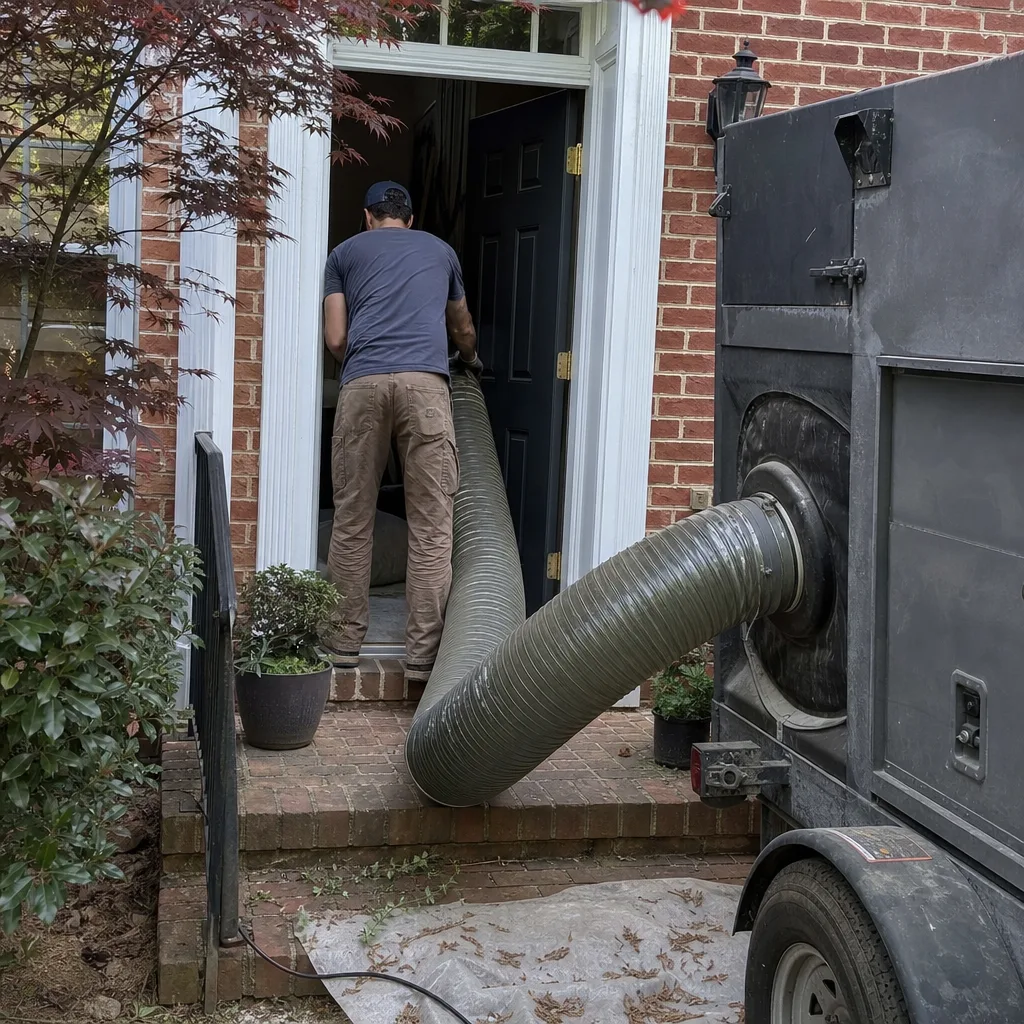
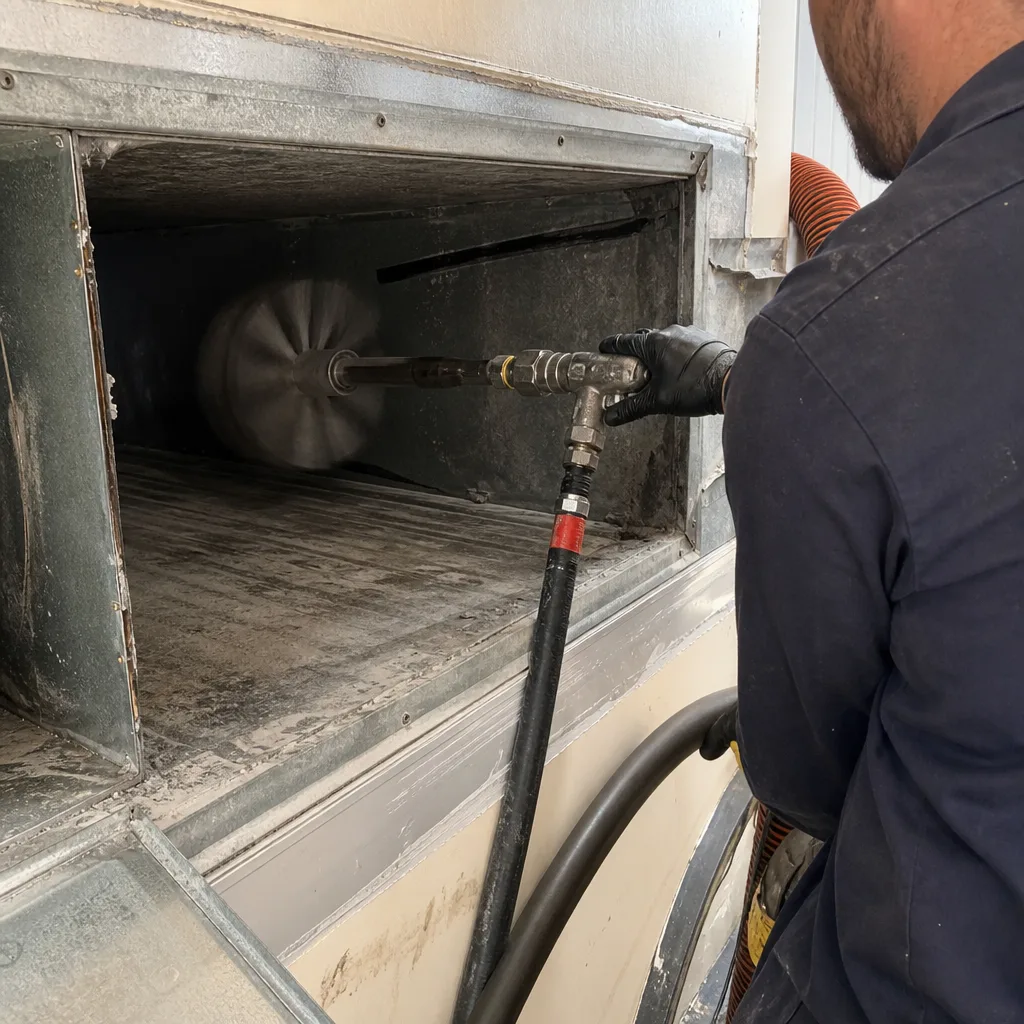
Negative-pressure extraction systems create suction at the air handler or a large access point, pulling dislodged debris through the entire system and into a contained collection unit. This is the foundation of legitimate duct cleaning. The collection unit should be HEPA-filtered and visibly connected to your ductwork, not a shop vacuum sitting in your hallway.
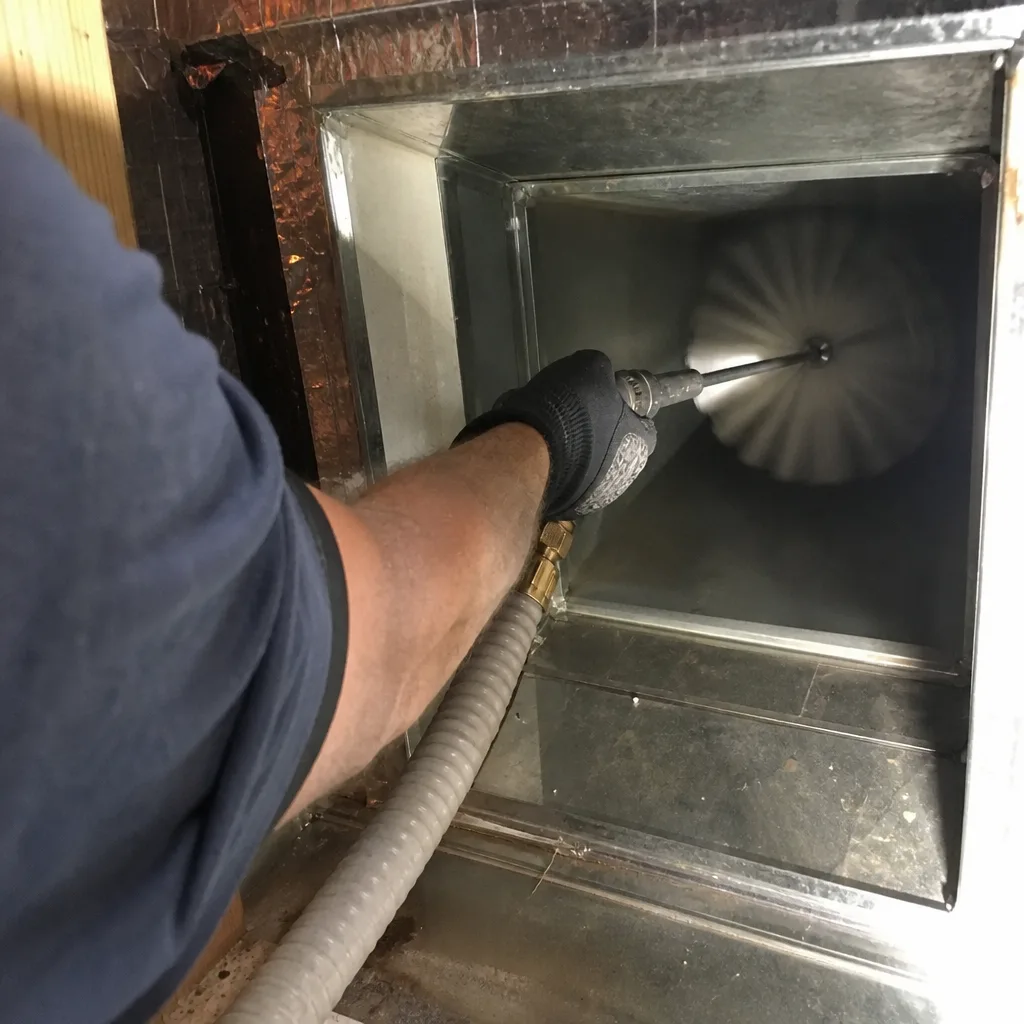
Agitation tools break debris loose from duct walls so extraction can remove it. Options include:
- Rotary brush systems (like Rotobrush models) with powered brushes sized to the duct diameter
- Air whip systems that use compressed air to create turbulence
- Contact vacuuming for heavily contaminated sections
The right tool depends on duct material and condition. Metal ductwork tolerates aggressive brushing; flex duct requires gentler methods to avoid damage. A contractor with one tool for every job is a contractor cutting corners.
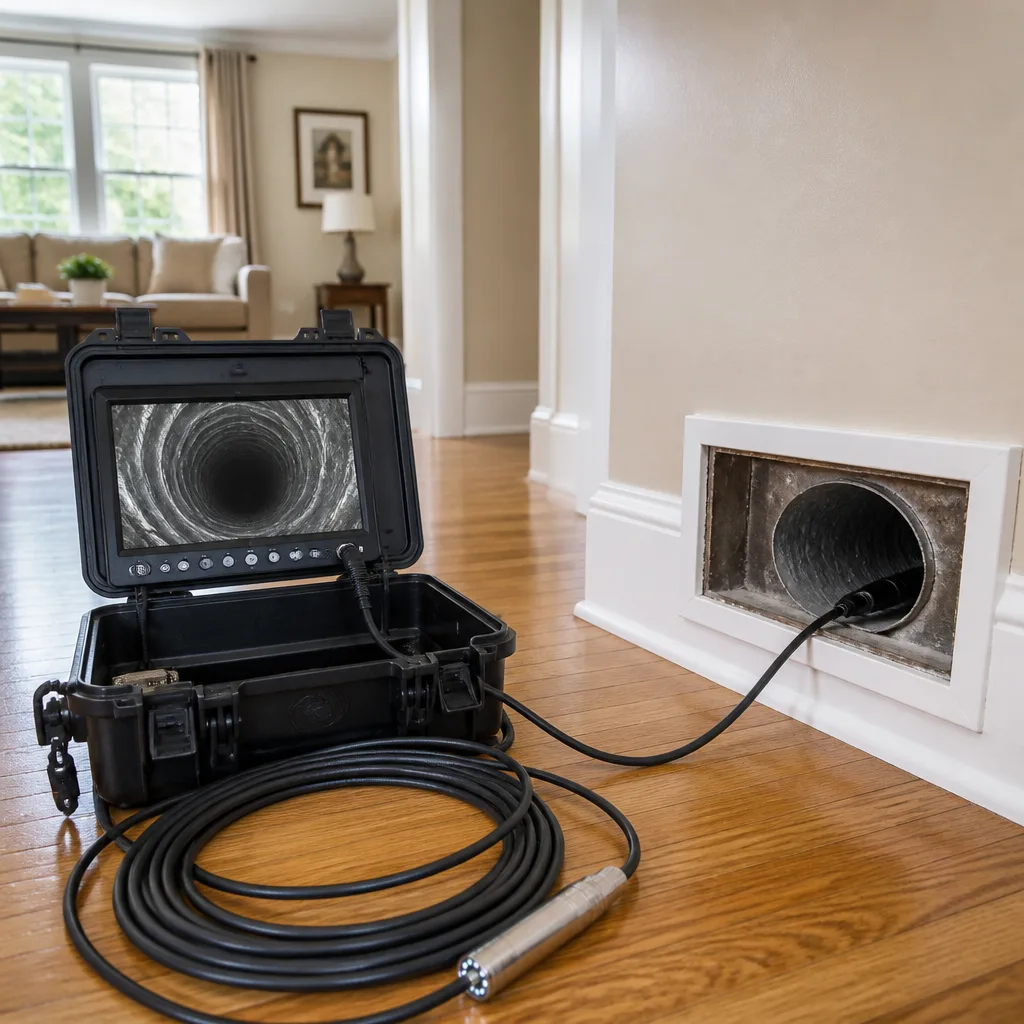
Inspection cameras verify conditions before and after work. The camera should display on a screen you can see, and the technician should narrate what they’re showing. At CleanRun, we deliver these images as part of the standard job record - every duct run, before and after, with timestamps.
Equipment brands we use and why we name them: Rotobrush for rotary agitation in metal ductwork, Nikro for negative-pressure collection systems, and Honeywell and Aprilaire for air quality components. These are verifiable, trade-recognized manufacturers. Customers can research specifications independently, which is exactly the point.
Red flags in equipment: standard wet/dry shop vacuums, carpet cleaning machines repurposed for ducts, or any system that blows debris forward through the duct rather than extracting it backward. We’ve encountered all three in Alexandria homes after unsuccessful prior service.
Common Mistakes to Avoid
- Scheduling cleaning before diagnosing duct integrity. Cleaning disconnected or sagging flex duct wastes money and can damage already-failing components. Always inspect structural condition first.
- Accepting per-vent pricing. This model incentivizes contractors to count generously and charge for access points that are part of normal system configuration. Insist on whole-system flat pricing agreed in writing.
- Ignoring filter bypass evidence. A new MERV-13 filter in a leaky rack is theater, not protection. Fix the seal before upgrading filtration.
- Assuming all contractors document their work. Most don’t. Ask specifically what you’ll receive: photos? Written report? Measurements? If the answer is vague, the work probably will be too.
- Cleaning after renovation without specifying debris type. Drywall dust, fiberglass insulation fragments, and sawdust require different approaches than typical household dust. The scope should specify what was found and how it will be addressed.
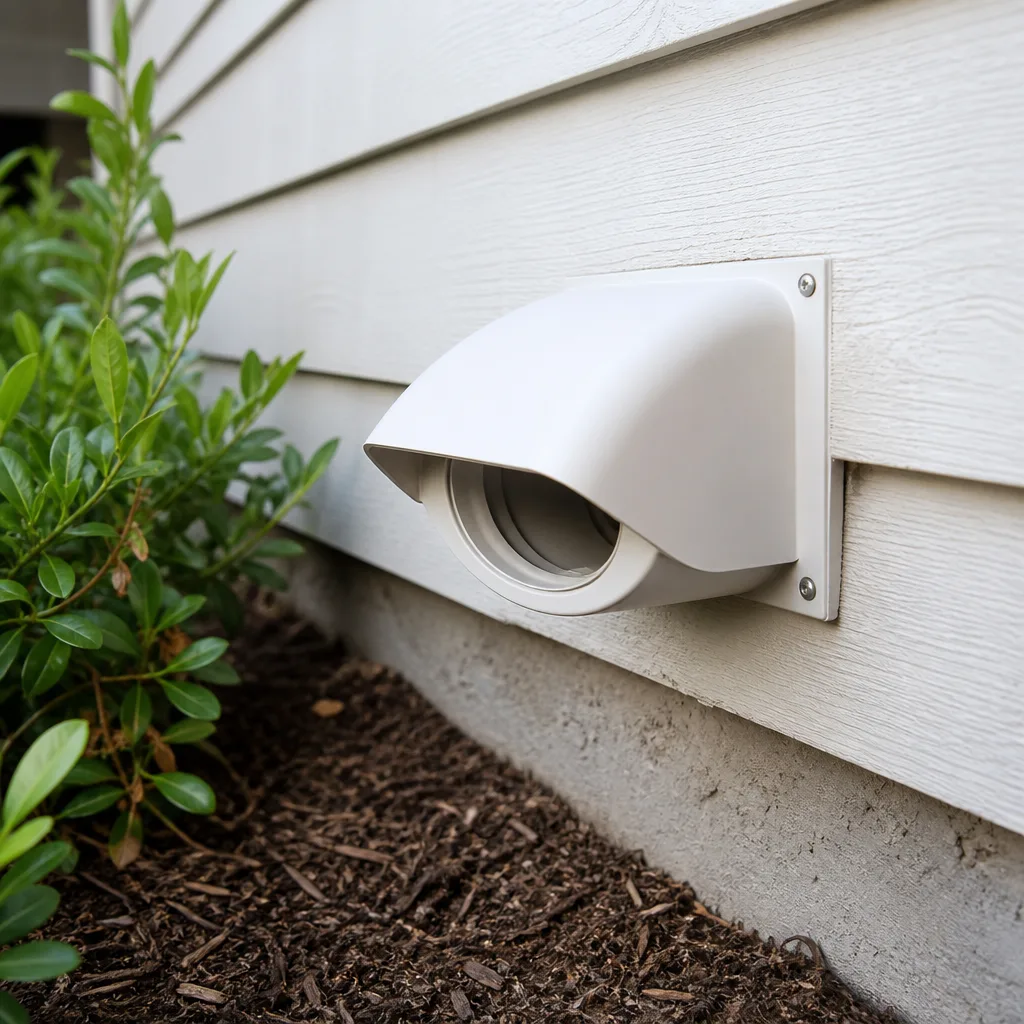
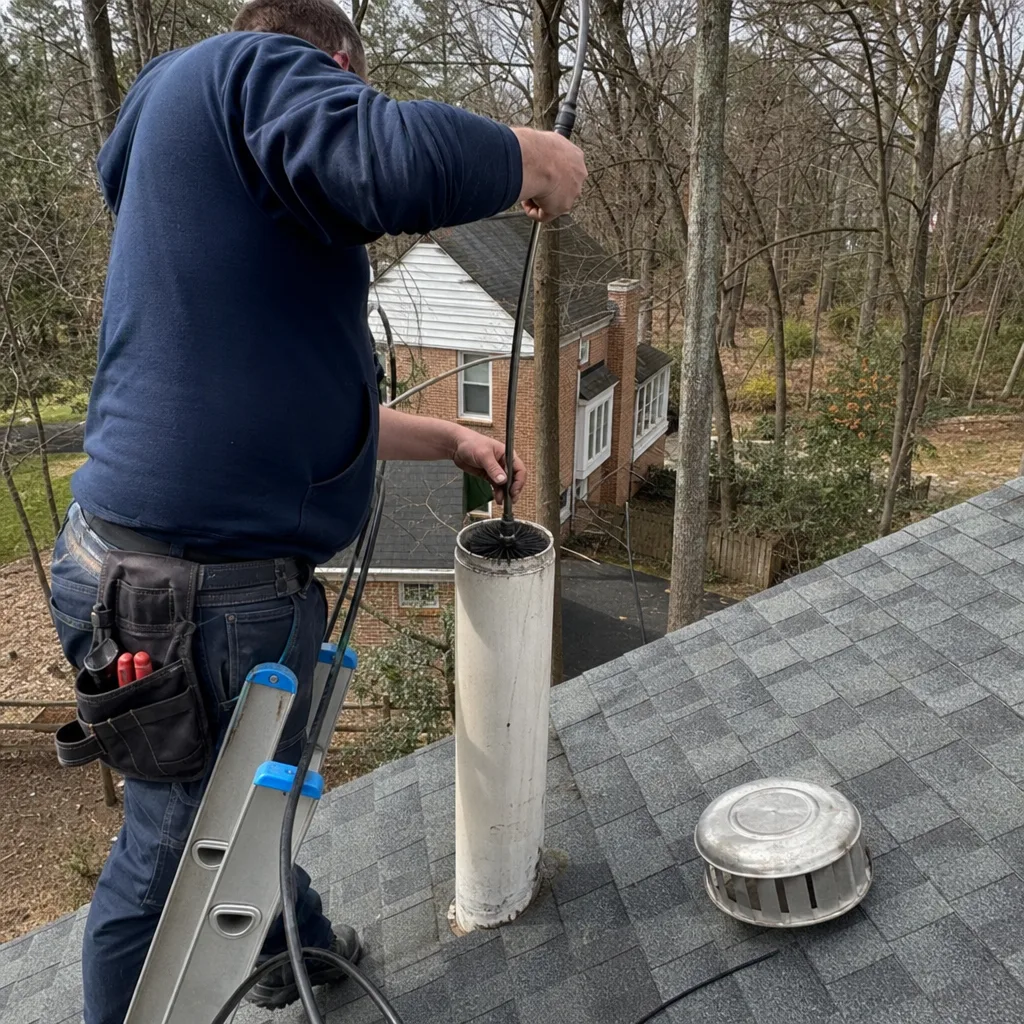
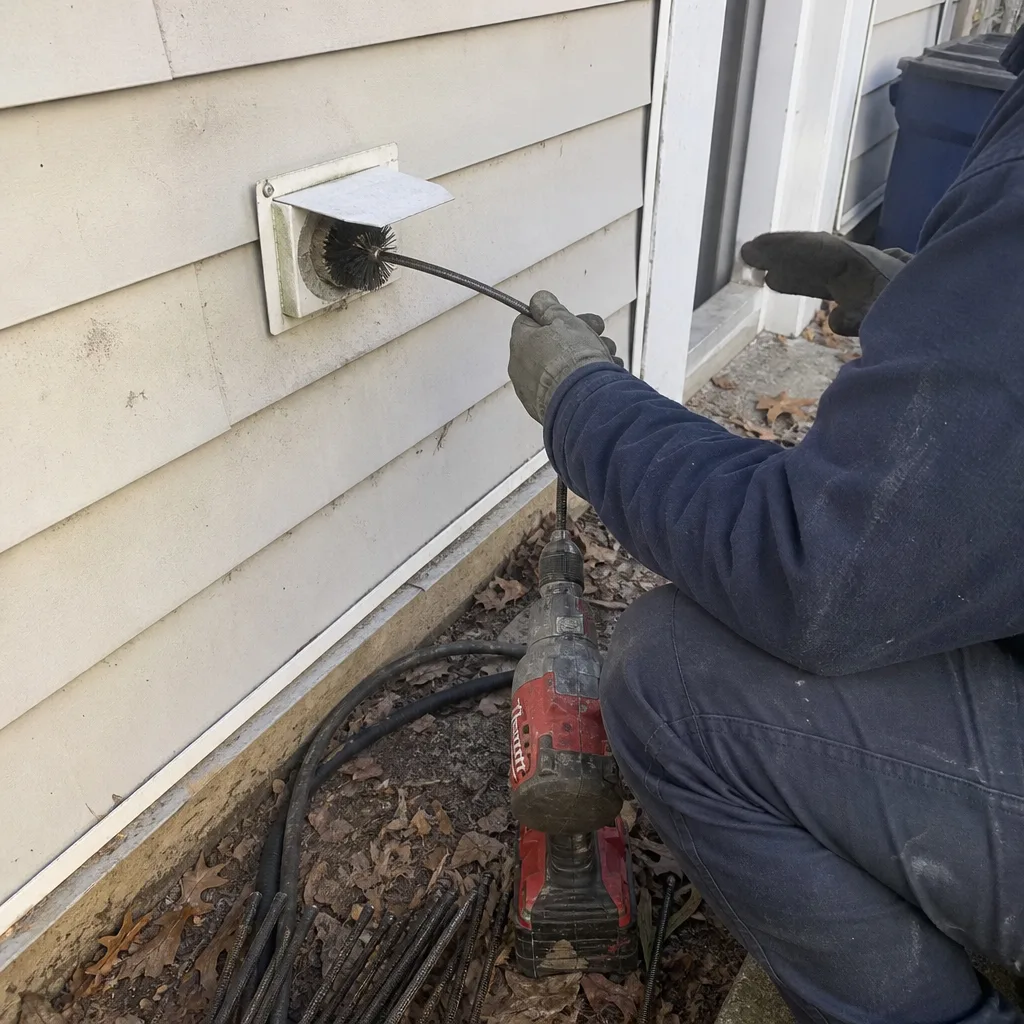
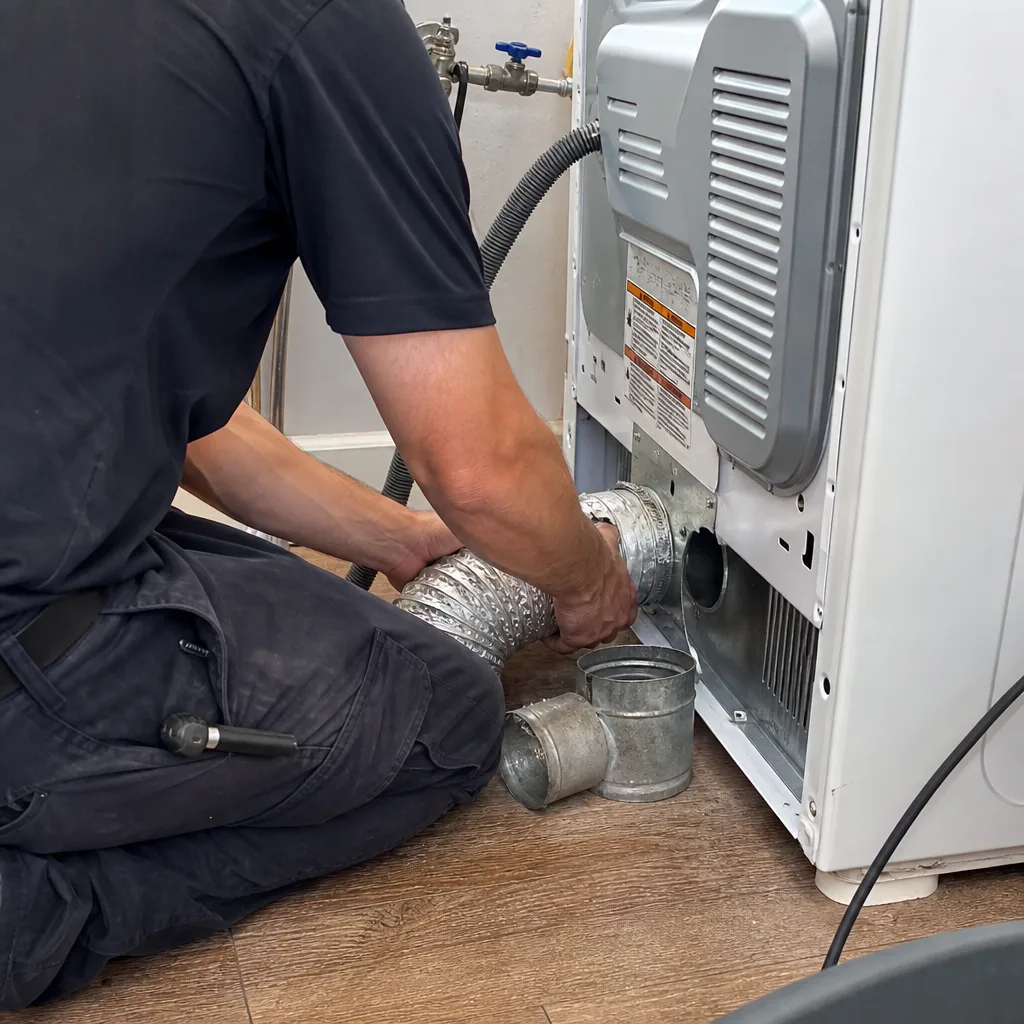
- Neglecting dryer vent cleaning while focusing on HVAC ducts. In Alexandria’s older housing stock with longer, more convoluted dryer vent runs, lint accumulation is a genuine fire hazard. Dryer Vent Cleaning in Alexandria should be annual maintenance, not an afterthought.
- Falling for “mold” scare tactics without independent verification. Visible microbial growth warrants professional assessment. A contractor who discovers “dangerous mold” only after starting work, with no prior indication, is likely manufacturing concern to inflate the invoice.
When to Call a Professional
Some conditions exceed homeowner capability and require trained assessment. Call for professional service when:
- You document visible mold or microbial growth in any duct run
- Multiple rooms show significantly degraded airflow after filter change
- You find disconnected, severely sagging, or compressed flex duct
- Post-renovation dust is visible at registers or you detect construction odors in airflow
- Your system is more than 10 years old and has never had documented professional cleaning
- You experience unexplained respiratory symptoms that correlate with system operation
- You’re preparing to sell and want transferable documentation of system condition
CleanRun Air Duct Cleaning Alexandria offers free estimates in Alexandria. Call (240) 318-7712 to schedule. Every estimate includes a preliminary scope discussion, and we provide a Free Second Opinion on any written estimate from another contractor - bring their quote, we’ll put our number next to it in writing under Haven Standard Clause 1.
Frequently Asked Questions
Whole-system duct cleaning for a typical Alexandria home ranges from $600 to $950 for single-system homes between 1,200 and 2,500 square feet, with smaller homes starting around $400 and larger or multi-system homes reaching $1,400. The exact price depends on system accessibility, duct material, and contamination level. Call (240) 318-7712 for a written estimate with no obligation - estimates are free, and we deliver the price before any work starts.
The $79-$129 offers typically cover a single register or a superficial vacuuming of accessible areas, with the contractor upselling to a meaningful scope once inside your home. Legitimate whole-system cleaning requires negative-pressure extraction equipment, proper containment, and time - typically 3-5 hours for a complete residential system. A price that doesn’t account for these realities is either incomplete or dishonest. At CleanRun, we quote one flat price per system, agreed in writing before work begins, with no per-vent add-ons.
Demand a documented photo record of every duct run, before and after, with timestamps. This is standard practice at CleanRun and has been since our first job in 2013. If a contractor can’t or won’t provide this, you’re trusting their word alone. The photo record is your proof of service and your baseline for future maintenance decisions.
Most Alexandria homes need professional duct cleaning every 3 to 5 years, with annual dryer vent cleaning. Homes with pets, recent renovations, or documented filter bypass issues may need more frequent service. The seasonal log in this checklist helps you track indicators rather than guessing by calendar. If your inspection photos show significant debris accumulation before the 3-year mark, schedule earlier.
Homeowners can and should perform the visual inspections and filter maintenance in this checklist. However, whole-system cleaning requires negative-pressure extraction equipment, access tools, and containment protocols that aren’t available to consumers. Attempting to clean ducts with household vacuums or compressed air without containment risks dispersing debris throughout your home. For the HVAC system itself, HVAC Cleaning in Alexandria by trained technicians protects components you shouldn’t disturb, including the evaporator coil and blower assembly.
Yes. Alexandria’s combination of heavy spring pollen from the Potomac corridor, high summer humidity from Chesapeake Bay influence, and urban particulate from I-395 and rail traffic creates above-average loading for filters and ductwork. Homes in low-lying areas near Four Mile Run or Hunting Creek experience additional humidity stress. The seasonal log in this checklist is designed specifically for these local conditions.
Duct cleaning addresses the distribution network - the supply and return ductwork, registers, and grilles. HVAC cleaning addresses the air handler components: evaporator coil, blower assembly, condensate drain, and cabinet interior. They’re related but distinct services. A clean duct system connected to a contaminated air handler re-contaminates quickly, and vice versa. For complete system maintenance, both may be appropriate. CleanRun offers both services with the same written-price-first, photo-documented standard.
The Bottom Line
Effective duct maintenance isn’t about memorizing a schedule - it’s about building a documented record of what your system actually contains and how it’s actually performing. The 12-point inspection, filter log, flex duct assessment, and seasonal calendar in this checklist give Alexandria homeowners observable, photographable evidence that transforms every contractor interaction from a trust exercise into a fact-based negotiation. Bring your findings, demand written scopes, and verify results with photo records. The homeowners who do this consistently get better service at fair prices, and they avoid the bait-and-switch tactics that define too much of this industry.
CleanRun has served 52,000+ homes since 2013, every one with a written price before work started and a documented photo record when the crew left. The 365-Day Done Right Promise means the work is accountable long after the truck leaves. If you’re in Alexandria and ready to schedule - or you want a Free Second Opinion on another contractor’s written estimate - call (240) 318-7712. A live person answers, and you’ll have a written scope before any work begins.
Written by Tomas Reyes, Owner at CleanRun Air Duct Cleaning Alexandria, serving Alexandria since 2013.