
Last updated September 23, 2026
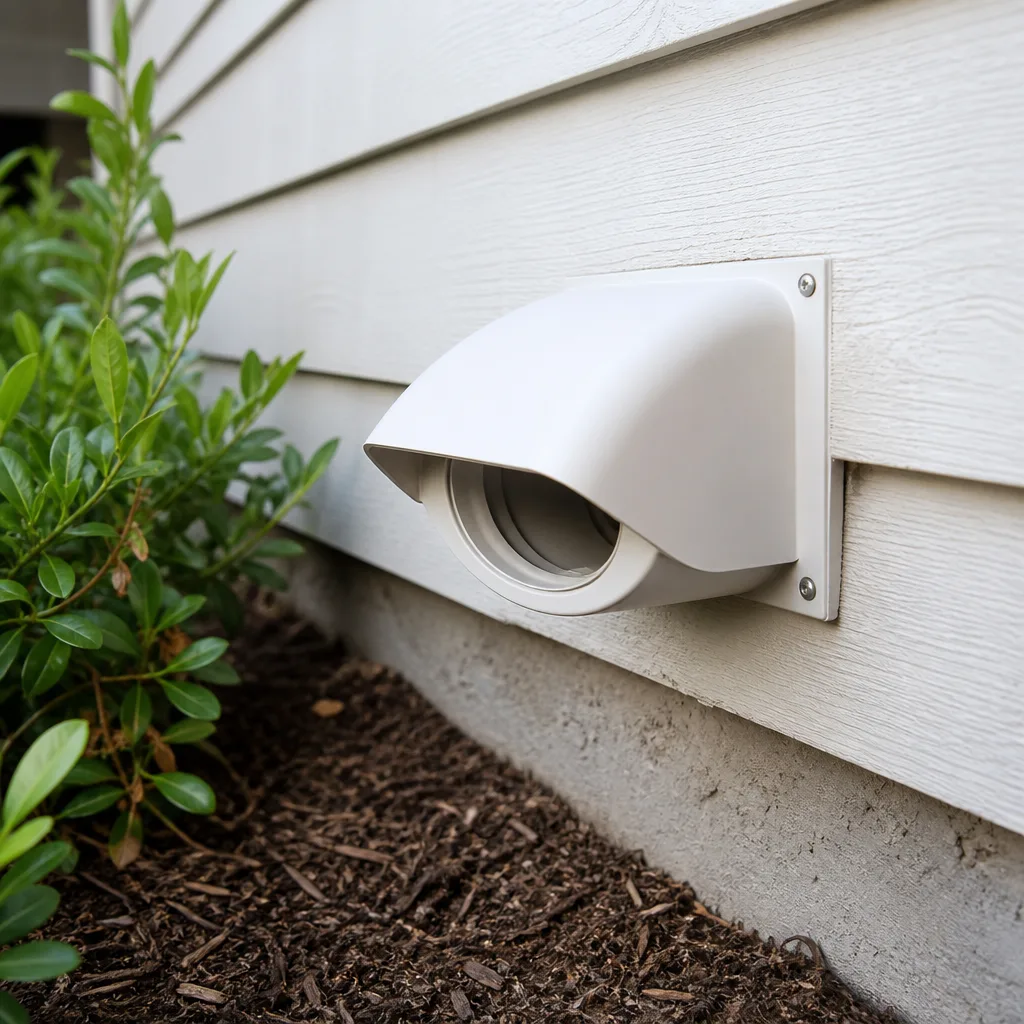
Whole-system duct and dryer vent check with before-and-after photos - you see exactly what came out of your vents
That "$99 whole-house special" is a bait ad - the real number appears once they are in your hallway, or the "clean" is a shop-vac at the register. We photograph the inside of your ducts before and after instead.
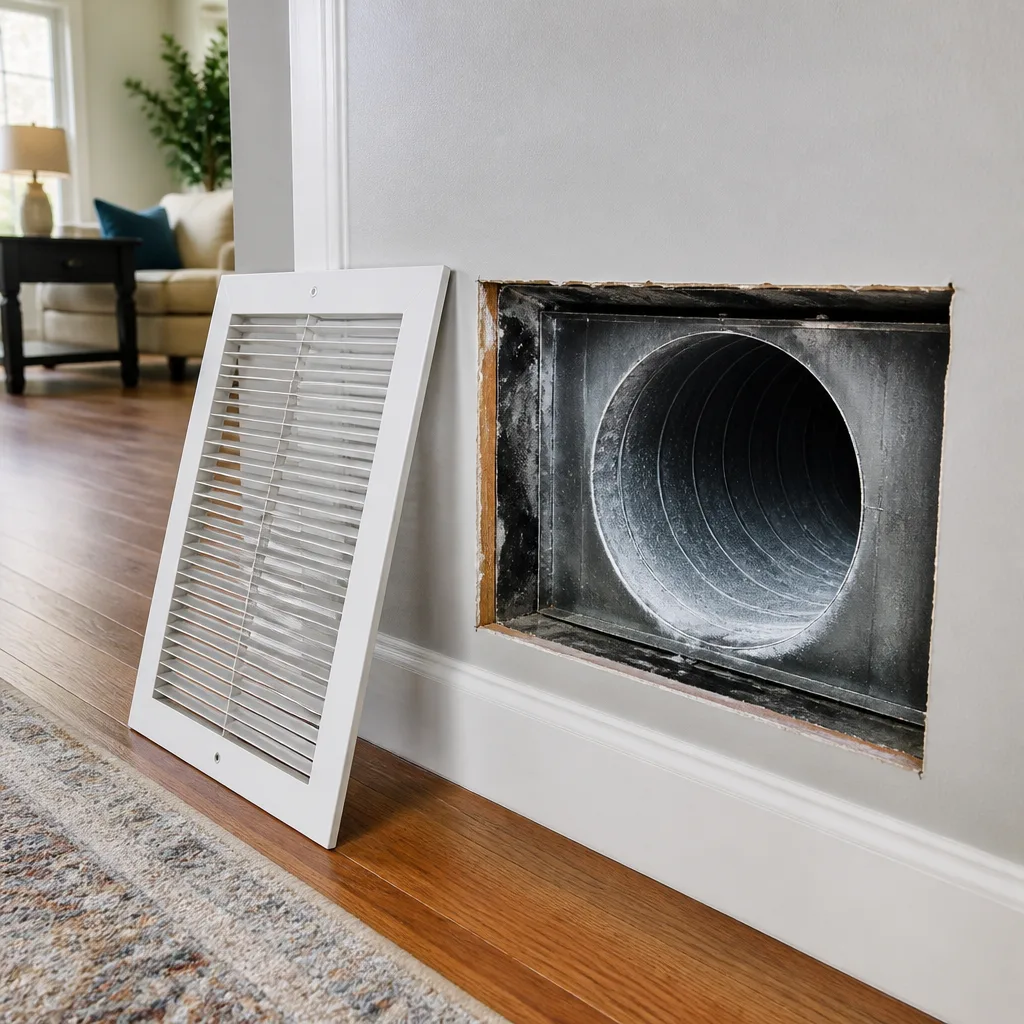
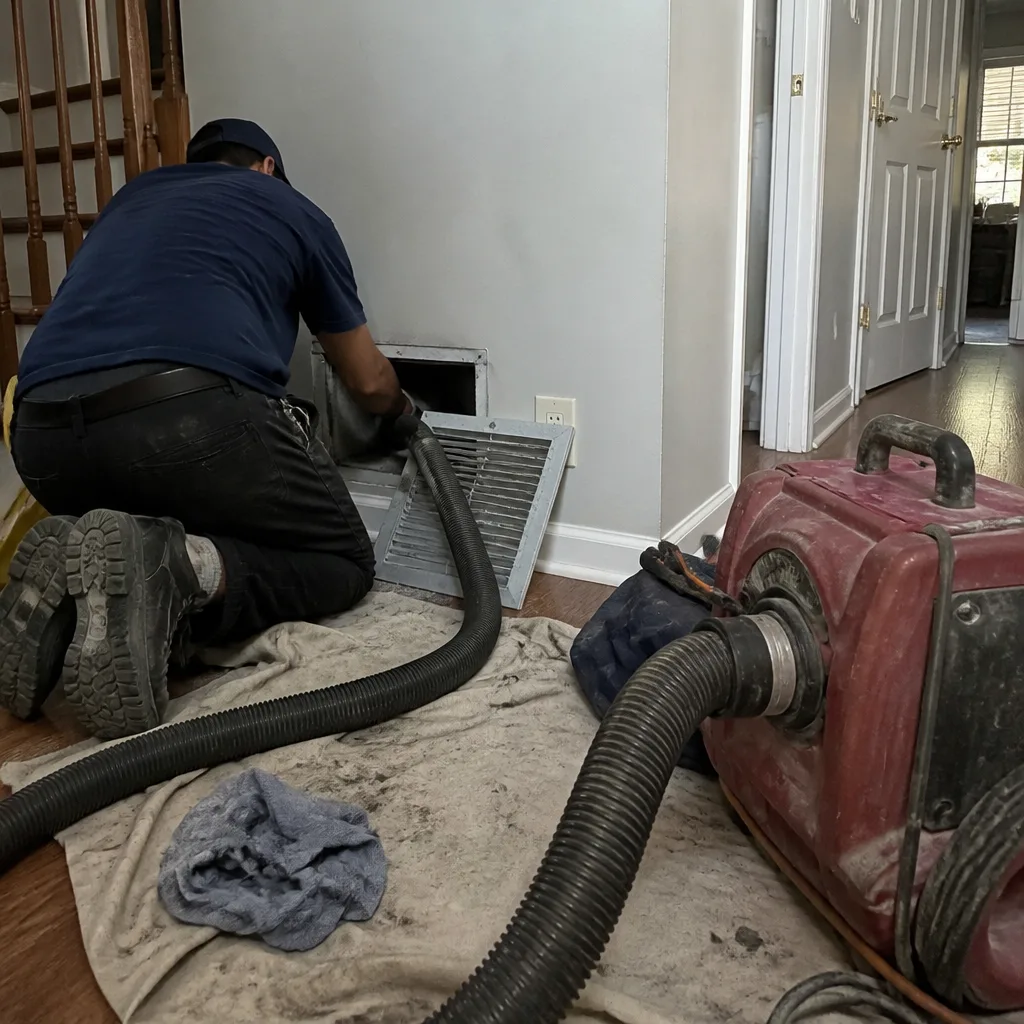 Before
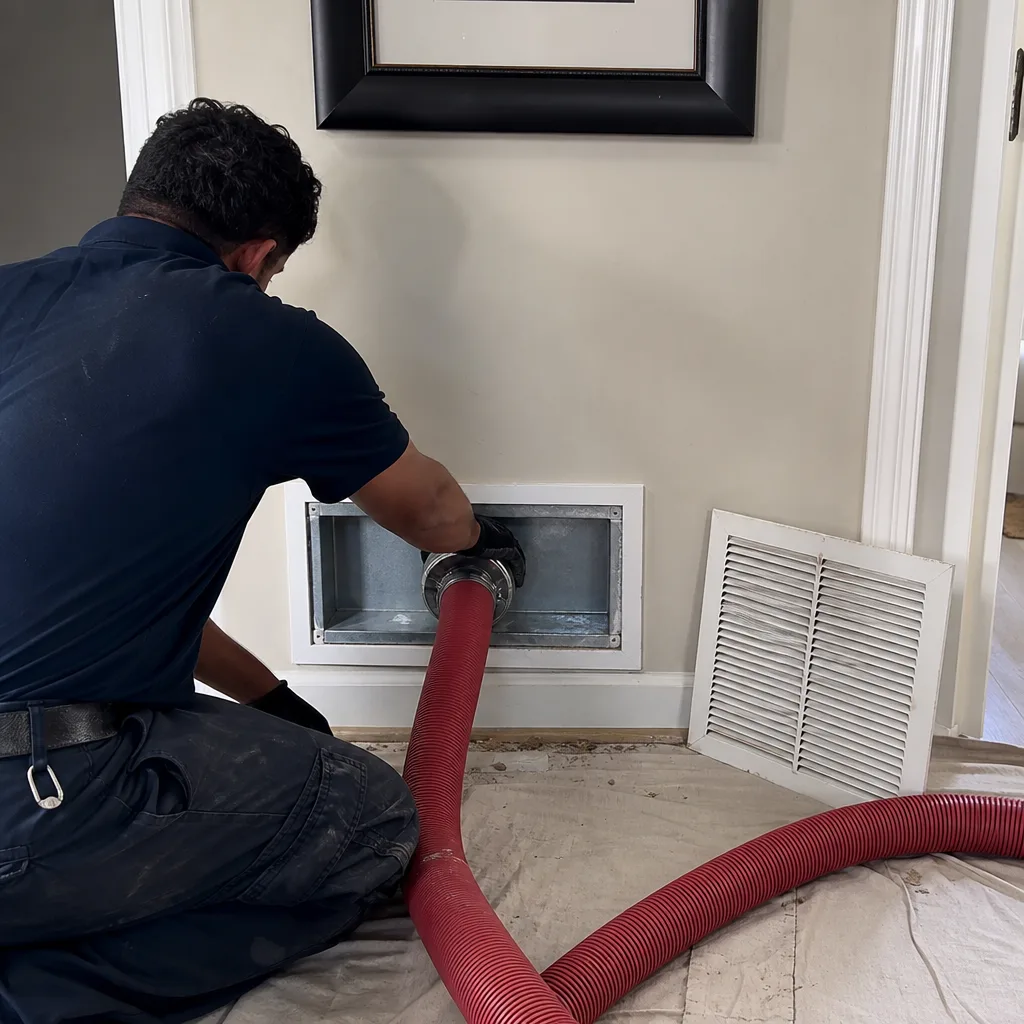 After
After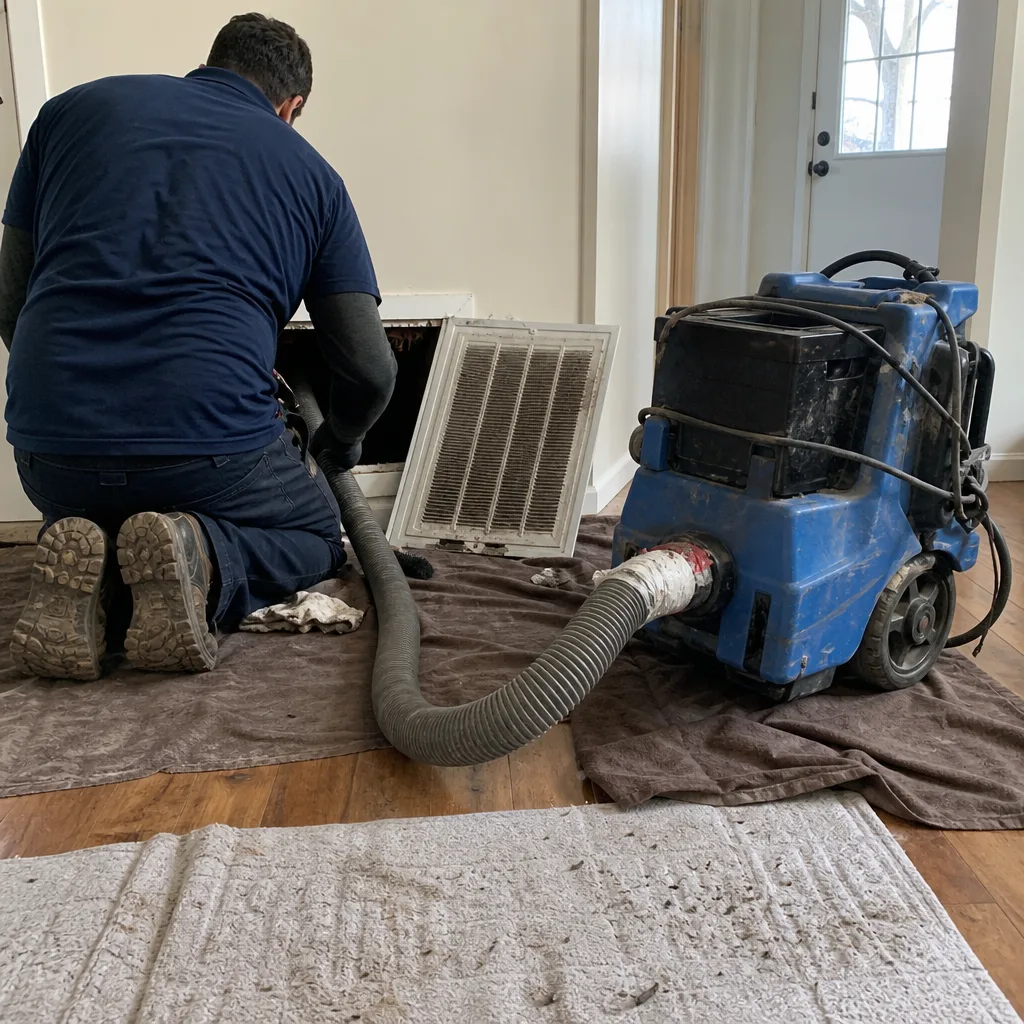 Before
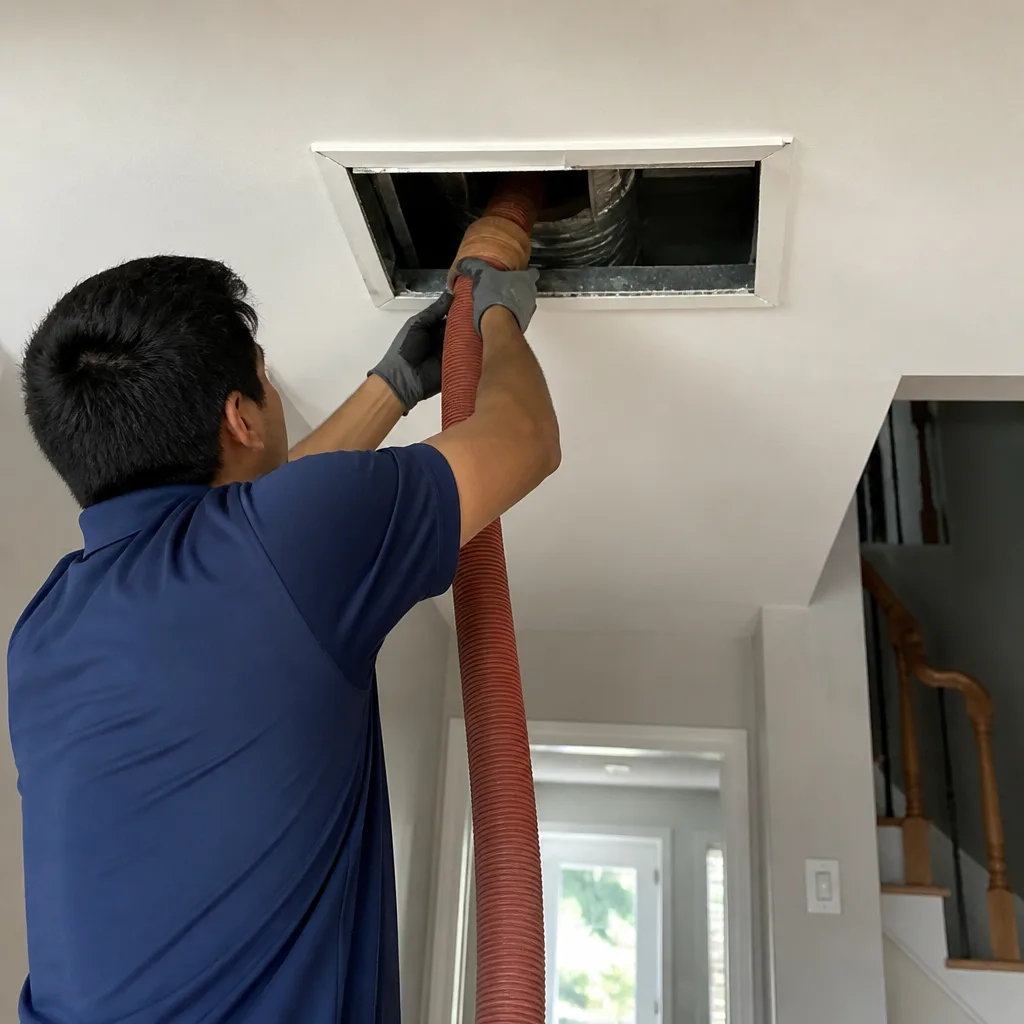 After
After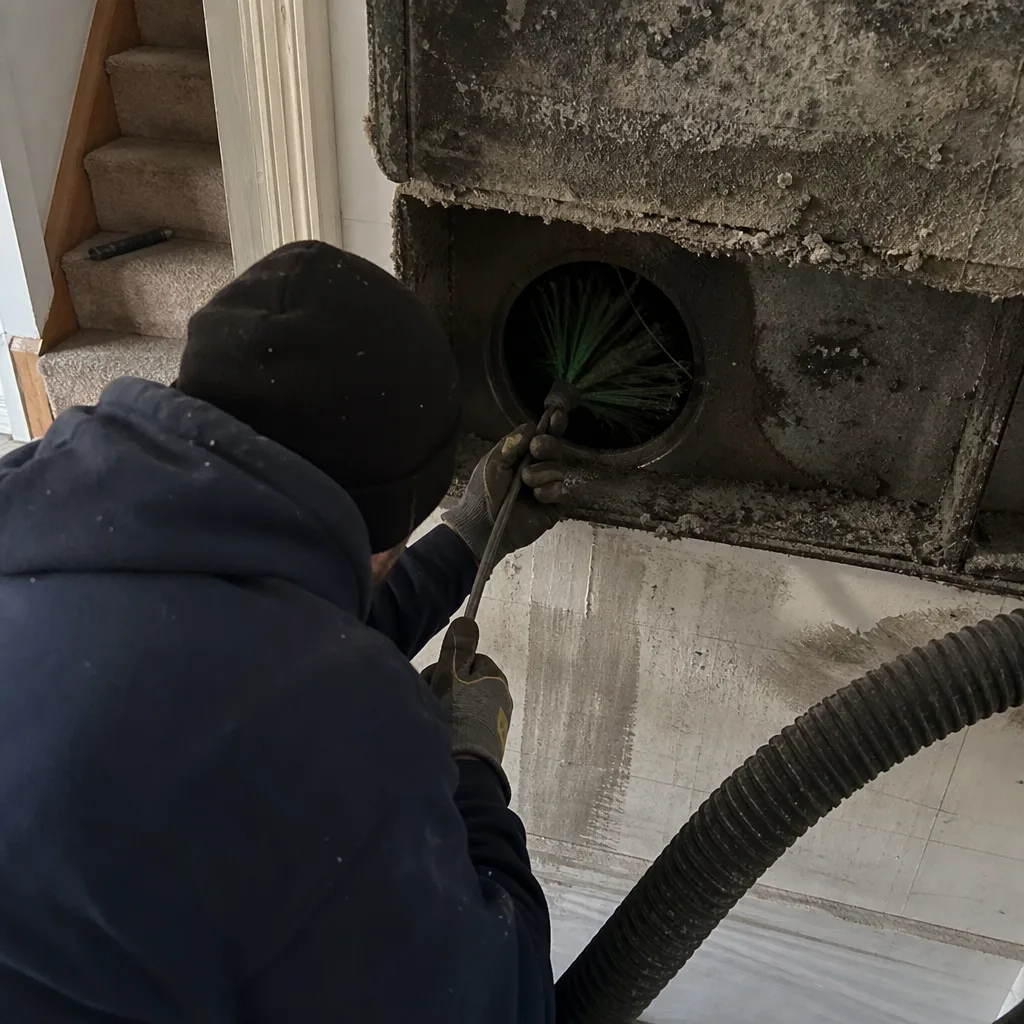 Before
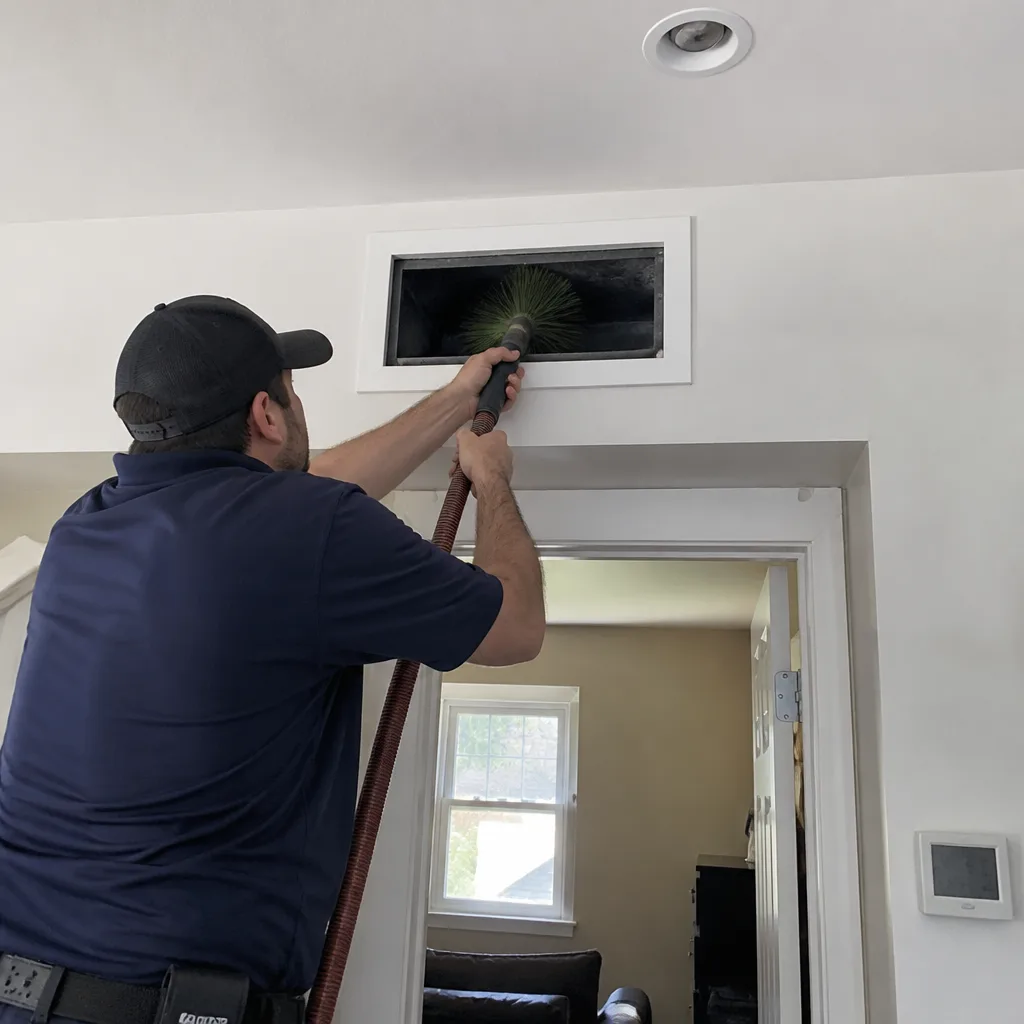 After
AfterThe Complete Guide to Air Duct Cleaning in Alexandria
A 1,900-square-foot Alexandria townhouse built in 2003 had 11 duct runs photographed before cleaning - 7 showed visible debris accumulation, 2 had disconnected flex joints, and 1 had a dead rodent lodged at a 90-degree elbow. None of those facts appeared on the $79 coupon that prompted the call. That gap between what gets advertised and what actually gets found is why our DIY vs Professional Air Duct Cleaning: The Alexandria Homeowner’s Decision Guide and this page exist. We’ll show you what professional air duct cleaning looks like inside real Alexandria homes, how to read a cleaning record like a document you keep, and why the construction era of your house changes what equipment should be used.
Quick Answer
Air Duct Cleaning in Alexandria typically costs $400-$900 for a whole-home system and takes 3-5 hours for a thorough source-removal clean. A legitimate job produces a documented photo record of every duct run, a written scope of work signed before work starts, and a post-cleaning report showing what was found and what was done. In Alexandria’s humid subtropical climate, most homes benefit from cleaning every 3-5 years, with shorter intervals for houses built before 1980 or those that have undergone recent renovation.
Table of Contents
- What Actually Happens Inside an Alexandria Duct System
- How Construction Era Changes What Cleaning Looks Like
- How to Read a Before-and-After Photo Set
- Source-Removal vs. Contact-Vacuum: What Each Leaves Behind
- What a Legitimate Post-Cleaning Record Should Contain
- Alexandria-Specific Factors: Humidity, Housing Stock, and Debris Type
- What Air Duct Cleaning Costs in Alexandria
- Common Mistakes to Avoid
- When to Call a Professional
- Frequently Asked Questions
BeforeAfterWhat Actually Happens Inside an Alexandria Duct System
Most homeowners have never seen past their floor registers. The ductwork hidden behind walls and between floors is a network of supply runs (bringing conditioned air to rooms) and return runs (pulling air back to the HVAC unit), connected through a central plenum - the distribution box attached to your furnace or air handler.
In our work across Alexandria since 2013, we’ve documented what accumulates in these runs. The debris is not generic “dust.” In a 2019 job in the Seminary Hill area, a 1967 ranch showed a half-inch layer of gray, fibrous material coating galvanized steel ducts - decades of skin cells, textile fibers, and degraded insulation. In a 2022 Del Ray Victorian, the returns contained plaster dust from a 2017 renovation still migrating through the system five years later. In a 2021 Carlyle District condo, the flex duct showed no debris at all but had three locations where the inner liner had torn, leaking conditioned air into the ceiling cavity.
Each of these findings changes what cleaning means:
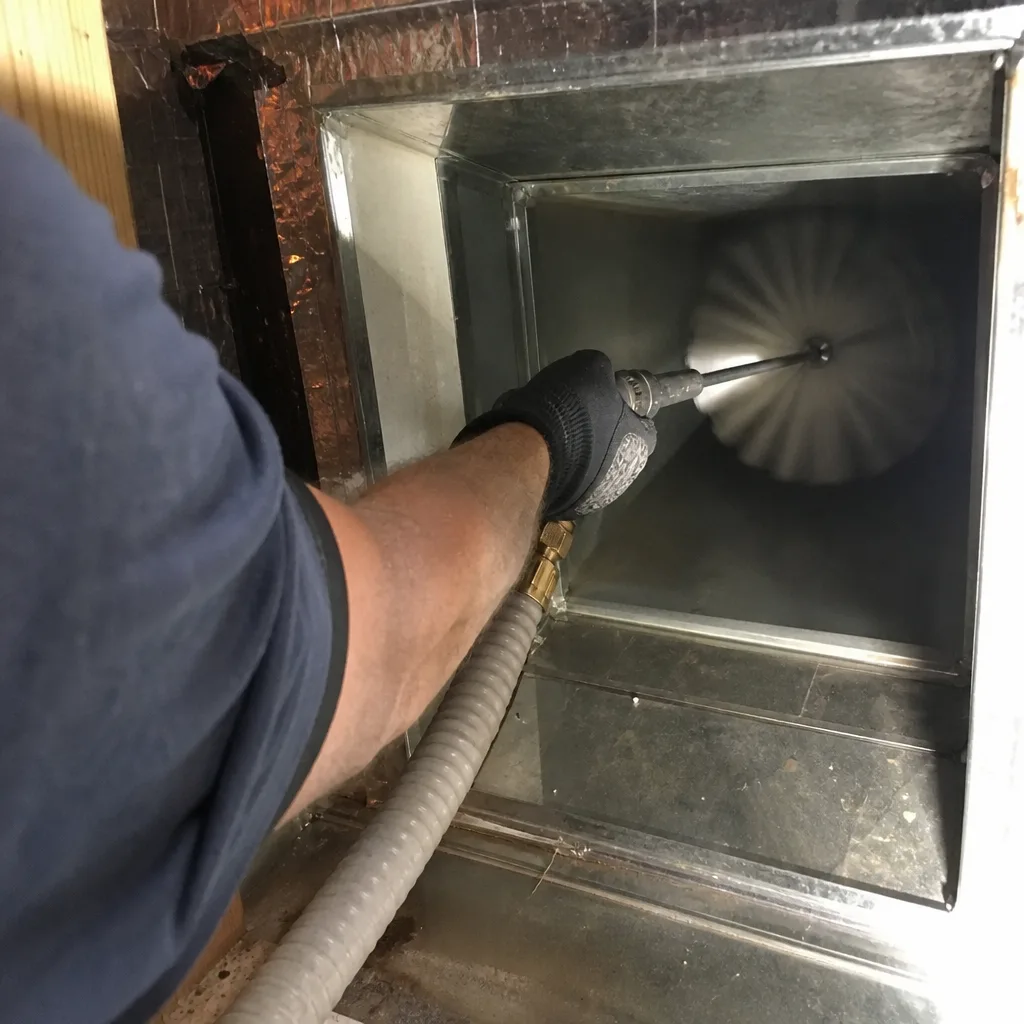
- Debris accumulation on hard duct walls requires agitation tools - rotary brushes or compressed-air whips - to dislodge material before negative-pressure extraction pulls it out
- Post-renovation particulate often requires HEPA filtration during cleaning and may need multiple passes; drywall dust is fine enough to bypass standard filters
- Mechanical defects - disconnected joints, torn flex, corroded fittings - are not solved by cleaning and must be documented for repair
- Biological growth in humid conditions requires assessment of the underlying moisture source, not just surface removal
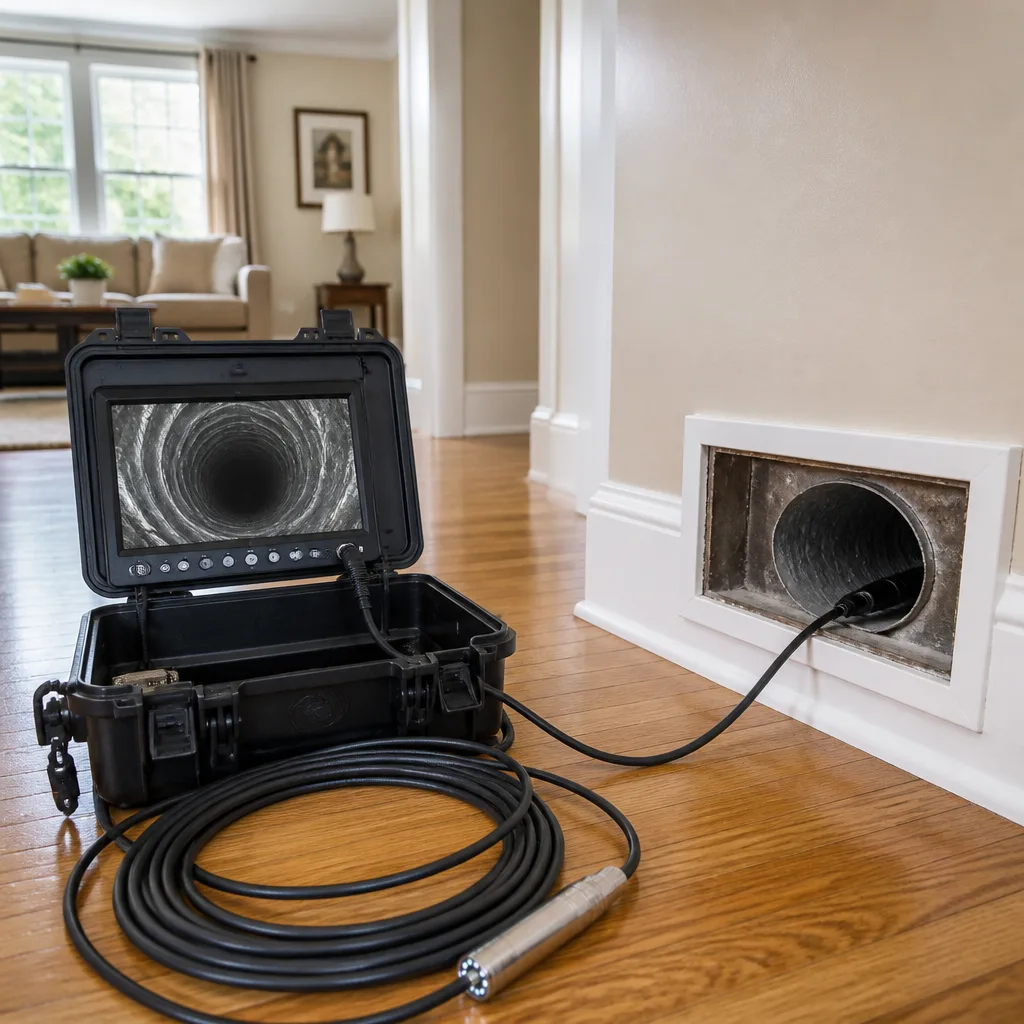
The air duct cleaning process in Alexandria should always begin with access panels opened and a camera inserted before any equipment is powered on. What the camera shows determines the scope. A technician who starts the vacuum before looking is performing a standardized service on a non-standardized system.
How Construction Era Changes What Cleaning Looks Like
Alexandria’s housing stock spans nearly three centuries, and the ductwork reflects distinct eras with distinct cleaning requirements.
Pre-1980: Galvanized Steel Ducts
Houses in Old Town, Del Ray, and parts of Seminary Hill built before 1980 typically use galvanized steel ductwork - rigid, rectangular or round sections joined with S-locks and drives, sealed with fibrous tape or mastic. These ducts are durable but prone to specific issues:
- Internal corrosion: Decades of humidity cycling produces rust scale that flakes off and circulates. The camera shows orange-brown granular material, not soft dust. Agitation must be gentle enough not to damage thinning metal walls.
- Failed seals at joints: Original tape degrades; mastic cracks. Cleaning pressure can worsen leaks if not identified first. We photograph every joint before agitation begins.
- Asbestos-containing insulation: External wrap on pre-1980 ducts may contain asbestos. Disturbance during access panel cutting requires testing and abatement protocol, not standard cleaning. This is not hypothetical - we’ve encountered it in three Alexandria jobs since 2018, all in 1950s-era homes near Fort Ward Park.
Cleaning pre-1980 steel ducts in Alexandria requires equipment with adjustable agitation intensity. Rotobrush systems with variable-speed motors allow reduction of brush RPM when corrosion is present. Nikro negative-air machines provide the extraction power needed for heavier debris loads without excessive pressure.
1980-2000: Transitional Systems
This era mixes materials. We’ve found homes in the Rosemont area with steel trunk lines and early flex duct branches, or fiberglass duct board plenums with metal runs. The cleaning challenge is matching equipment to each segment. Flex duct from this period is often unlined or has early-generation liners that degrade when contacted with aggressive brushes.
Post-2000: Flex Duct Dominance
Newer construction in Alexandria, including the Carlyle District and much of West End infill, uses insulated flex duct - a spiral wire helix wrapped in insulation and a plastic vapor barrier. This material is lightweight and inexpensive but vulnerable:
- The inner liner tears if contacted with stiff rotary brushes
- Excessive negative pressure can collapse the duct
- Kinks and compression at bends restrict airflow and trap debris
Post-2000 flex duct systems require contact-vacuum methods with soft-bristle attachments, or low-RPM rotary systems specifically designed for flex. The Abatement Technologies line includes portable HEPA vacuums with flex-duct-safe tools that we’ve used extensively in newer Alexandria townhomes.
The construction era of your Alexandria home should be the first question a technician asks. Equipment selection follows from the answer.
How to Read a Before-and-After Photo Set
Every CleanRun Air Duct Cleaning Alexandria job includes a Documented Photo Record - before and after images of every duct run, delivered as part of the standard job record. But a photo set is only useful if you know what to look for. Here’s how to read one.
Debris Patterns and What They Indicate
Uniform gray coating: This is typical settled dust - skin cells, textile fibers, outdoor particulate that passed the filter. Indicates normal accumulation over 3-5 years. The after photo should show bare duct wall, color consistent with the material (silver for steel, black for flex liner).
Clumped or strand-like material: Often indicates higher humidity with dust adhering in moist conditions. Common in Alexandria basements and crawl spaces during summer months. The after photo should show no adhered material; if clumping persists, humidity control needs addressing.
Dark, greasy streaking near kitchen registers: Cooking particulate - oil and grease that bypassed or overwhelmed the range hood. Requires degreasing agent, not just vacuum. The after photo should show uniform wall color without dark residue.
White or light-colored powder: Post-renovation drywall dust, plaster, or concrete particulate. Extremely fine; often found years after renovation in returns. The after photo should show clean walls, but note: fine particulate can resettle. A legitimate record notes if a second pass was needed.
Localized heavy accumulation at elbows or transitions: Indicates airflow restriction - a kinked flex duct, a poorly designed fitting, or a partially closed damper. Cleaning removes the symptom; the photo set should include a note on whether the underlying cause was corrected.
Biological growth - fuzzy or discolored patches: Requires moisture source identification. The after photo alone is insufficient; the record should document humidity readings and any recommendations for dehumidification or duct repair.
What the Photo Set Should Include
A complete record for an Alexandria home with 12 duct runs should contain 24 images minimum (before and after for each run), each keyed to a duct map showing location. Images should be timestamped and include a reference object or measurement scale when debris depth is relevant. In our 2023 job on Russell Road, a 2-inch debris build-up at a return elbow was photographed with a tape measure in frame - the customer later used that image in an insurance claim related to a water intrusion event.
Photos without location keys are decorative. Photos with keys and timestamps are evidence.
Source-Removal vs. Contact-Vacuum: What Each Leaves Behind
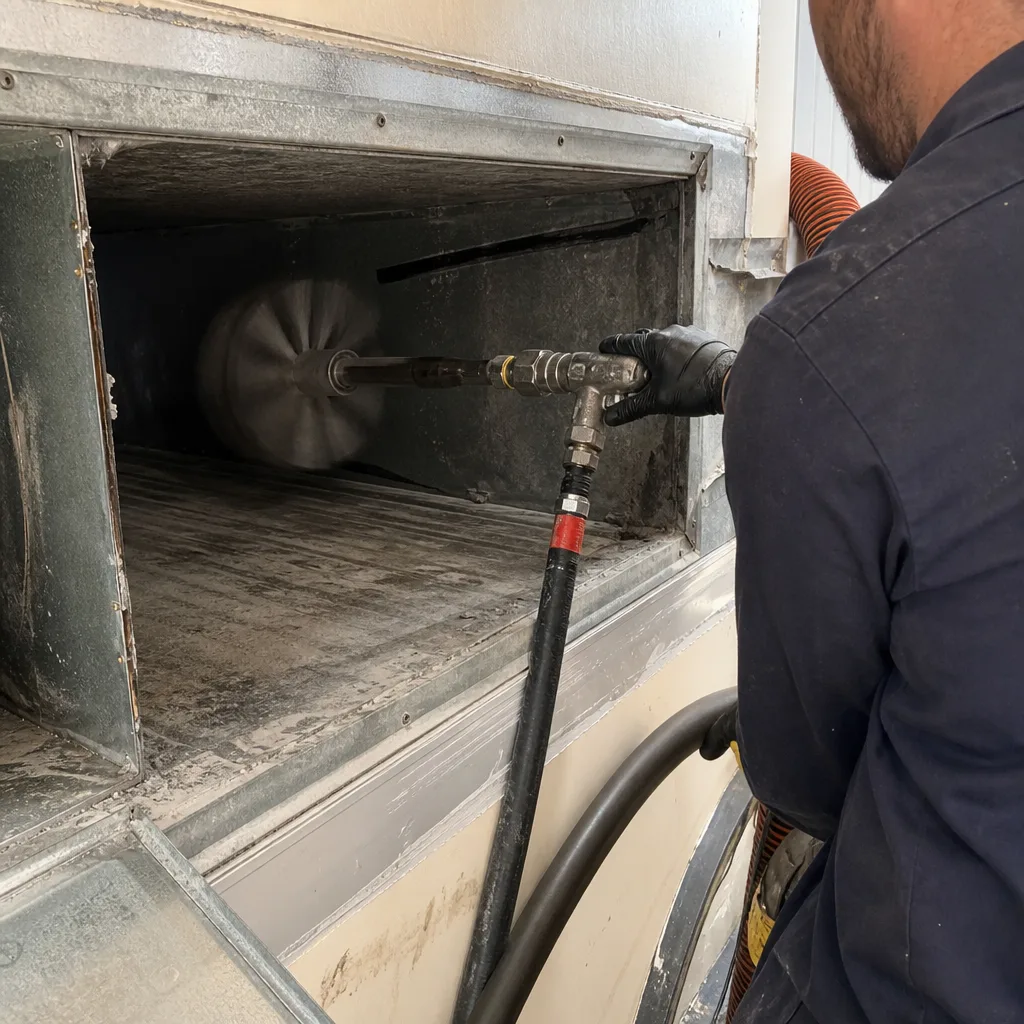
The air duct cleaning industry operates with two fundamentally different approaches, and the difference determines what remains in your system after the technician leaves.
Source-Removal Cleaning (NADCA Standard)
Source-removal uses mechanical agitation to dislodge debris from duct walls, combined with negative-pressure extraction to capture it before it enters the occupied space. The NADCA (National Air Duct Cleaners Association) standard requires:
- Mechanical agitation of all duct surfaces - walls, ceiling, floor of each run
- Simultaneous negative pressure at 2,000+ CFM to contain dislodged debris
- HEPA filtration on exhaust air
- Protection of HVAC components during cleaning
- Post-cleaning verification
What source-removal leaves behind: virtually nothing on accessible surfaces. In a properly executed job on accessible steel duct, the after photo shows bare metal. The method requires access panels, professional-grade equipment (Rotobrush or Nikro systems for agitation, Abatement Technologies or equivalent for negative-air machines), and 3-5 hours for a typical Alexandria home.
Contact-Vacuum Cleaning
Contact-vacuum methods use a vacuum hose with a brush attachment, inserted through registers. The technician can only clean what the hose reaches - typically 10-15 feet from each access point. Beyond that radius, debris remains undisturbed. The vacuum lacks the containment pressure of a negative-air machine, so dislodged particulate can escape into the home during cleaning.
What contact-vacuum leaves behind: debris in trunk lines, debris beyond hose reach, and often significant material in the plenum. The method takes 45-90 minutes and requires minimal equipment. It is the approach behind most $79-$149 coupon offers.
The Alexandria Context
In Alexandria’s older homes with long, complex duct runs - particularly the multi-story Victorians and Colonials in Del Ray and Rosemont - contact-vacuum methods leave substantial debris in place. We’ve been called to homes that had “cleaning” six months prior where our cameras showed untouched accumulation 20 feet from the nearest register. The previous customer paid $129 and received a receipt, not a record.
The equipment roster matters. Professional-grade source-removal in Alexandria uses Rotobrush for agitation in accessible runs, Nikro portable HEPA systems for negative-air containment, and Abatement Technologies filtration for post-cleaning air scrubbing. These are verifiable brands with published specifications. A technician should be able to tell you which equipment is being used and why it matches your duct type.
What a Legitimate Post-Cleaning Record Should Contain
A duct cleaning should produce a document you keep, not a service you forget. The record is your proof of what was done and your baseline for future maintenance. Here’s what belongs in it.
1. Pre-Cleaning Inspection Report
Written findings from the initial camera inspection: number of duct runs, material type, visible debris locations and estimated depth, mechanical defects observed, humidity readings, and any conditions requiring special handling. This is signed by the technician and customer before work begins.
2. Written Scope of Work and Price
Haven Standard Clause 1 requires a written price delivered before any work starts. The scope should specify: which runs will be cleaned, which will be accessed, equipment to be used, estimated duration, and total price. No per-vent add-ons, no “additional if needed” clauses. One flat price per system, agreed in writing.
3. Duct Map with Photo Key
A simple floor plan or schematic showing each supply and return, numbered or lettered, with before-and-after photos keyed to each location. In Alexandria’s older homes with modified or added ductwork, this map often reveals configurations the homeowner didn’t know existed - a basement return added in the 1980s, a sealed register behind a renovation wall.
4. Mechanical Findings and Recommendations
Cleaning reveals what inspection cannot: disconnected joints, corroded fittings, collapsed flex, improper damper positions. These are documented with photos and written descriptions, with recommendations prioritized by safety and efficiency impact. This is not an upsell document; it is a condition report. In Haven Standard Clause 4, mechanical findings are reported regardless of whether CleanRun performs the repair.
5. Post-Cleaning Verification
Final camera images showing cleaned surfaces, plus airflow or pressure measurements if equipment performance is in question. The technician’s sign-off that the scope was completed as written.
6. Warranty Documentation
The 365-Day Done Right Promise - if the work is not right, we make it right - backed in writing on every job. The record includes the warranty terms, contact information, and the specific job reference number.
This six-part record transforms a cleaning from a transaction into a documented event in your home’s maintenance history. When you sell your Alexandria home, it is evidence of care. When you dispute a future air quality issue, it is a baseline. When you schedule your next cleaning, it tells the next technician what was found and what was done. For additional maintenance planning, see our more guides & resources.
Alexandria-Specific Factors: Humidity, Housing Stock, and Debris Type
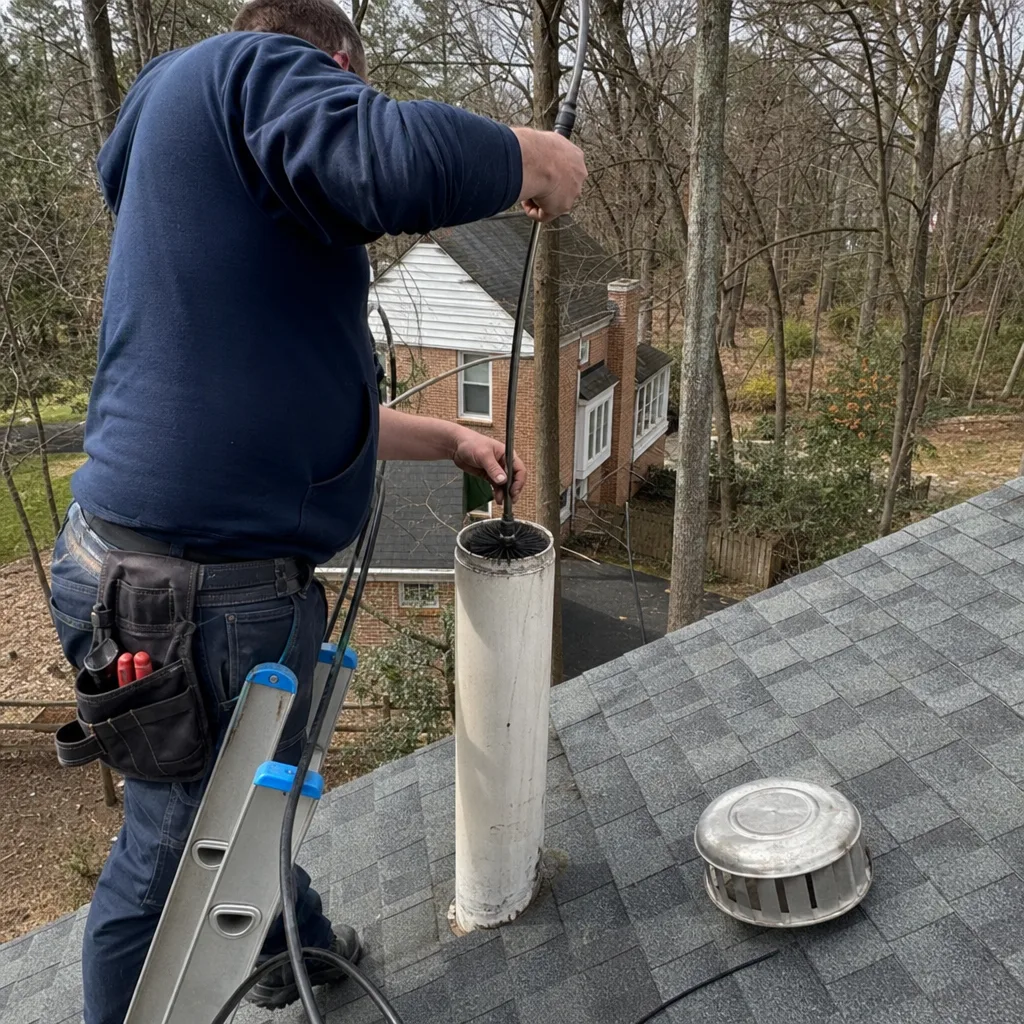
Geography and climate shape what accumulates in ducts and how quickly. Alexandria presents a specific set of conditions that affect cleaning frequency, method, and findings.
Humidity and the Potomac Effect
Alexandria’s location on the Potomac River produces humid summers with average July relative humidity above 70%. High humidity changes debris behavior: dust adheres to duct walls instead of remaining loose and airborne, creating the clumped patterns we described earlier. It also creates conditions for biological growth when combined with temperature differentials - cool air in warm ducts, or warm air in cool basement runs.
In our experience, Alexandria homes within a half-mile of the river - parts of Old Town, the waterfront condos, sections of Del Ray near Four Mile Run - show higher rates of adhered debris and more frequent biological findings than comparable homes farther inland. These locations may benefit from 2-3 year cleaning intervals rather than the standard 3-5, particularly if the HVAC system lacks whole-home dehumidification.
Housing Stock by Neighborhood
Del Ray and Rosemont (pre-1940): Original ductwork is often absent - these homes were built before forced-air heating, with radiators or later retrofitted systems. Ducts added in the 1950s-1970s are typically small-diameter galvanized steel in awkward chase locations. Cleaning requires more access panels, more time, and careful corrosion assessment. We’ve found asbestos insulation on duct wrap in this area three times since 2018.
Seminary Hill and Virginia Hills (1940s-1970s): Post-war construction with original forced-air systems. Galvanized steel predominates. These homes are entering their ductwork’s sixth or seventh decade. Corrosion, failed seals, and previous homeowner modifications are common. The 1967 ranch mentioned earlier - with half-inch debris and rust scale - is characteristic.
West End and Carlyle District (1980s-present): Flex duct systems, often in townhouse or condo configurations with shared walls and limited access. The cleaning challenge is mechanical: kinked ducts, compressed runs in tight framing, and systems sized for efficiency rather than serviceability. We use portable HEPA equipment - Abatement Technologies PREDATOR series - that fits in parking garages and elevator-accessible spaces.
Renovation Debris in a Hot Market
Alexandria’s real estate market has seen extensive renovation since 2015, particularly in Del Ray and Old Town. Drywall dust, plaster particulate, and construction debris enter duct systems during renovation and continue circulating for years. Homes purchased and renovated between 2015 and 2025 - our core customer profile - often need initial cleaning 12-24 months post-renovation, then establish a normal cycle.
The debris type matters for equipment selection. Fine renovation particulate requires HEPA filtration rated at 99.97% at 0.3 microns - standard vacuum filters pass significant quantities. Guardsman HEPA cartridges, used in our Nikro portable systems, meet this specification and are replaced per manufacturer schedule, not when visibly dirty.
What Air Duct Cleaning Costs in Alexandria
Price transparency is central to the Haven Standard. Here’s what whole-home air duct cleaning costs in the Alexandria market, based on system size and complexity.
| Home Size / System Type | Typical Range | Duration | What’s Included |
|---|---|---|---|
| Condo or townhouse (1-2 systems, 6-10 runs) | $400-$600 | 3-4 hours | All accessible supply and return runs, plenum, registers, Documented Photo Record |
| Single-family home, post-2000 (1 system, 10-16 runs) | $550-$750 | 4-5 hours | All accessible runs, plenum, registers, photo record, mechanical findings report |
| Single-family home, pre-1980 (1-2 systems, 12-20 runs, galvanized steel) | $700-$900 | 5-7 hours | All accessible runs, corrosion assessment, seal inspection, photo record, findings report |
| Additional HVAC system (second furnace or air handler) | $250-$400 | +2-3 hours | Full cleaning and documentation for second system |
These are whole-system prices, agreed in writing before work starts. We do not quote per-vent or per-register. The price covers the system, not a count of openings, because the work is the same whether your home has 10 registers or 14 - the technician cleans every accessible run in the connected network.
Why some Alexandria quotes are cheaper: Contact-vacuum methods with shop-vac equipment and no documentation cost less because they do less. A 90-minute visit with no photo record, no written scope, and no warranty is a different service than what we describe. The $79-$149 offers we’ve reviewed in the Alexandria market universally use this approach, with documented results showing debris remaining in trunk lines and beyond hose reach.
Our Free Second Opinion on Any Written Estimate - bring a competitor’s quote; CleanRun puts its own number next to it in writing - exists because price comparison requires service comparison. A written scope lets you see what each price actually buys.
Common Mistakes to Avoid
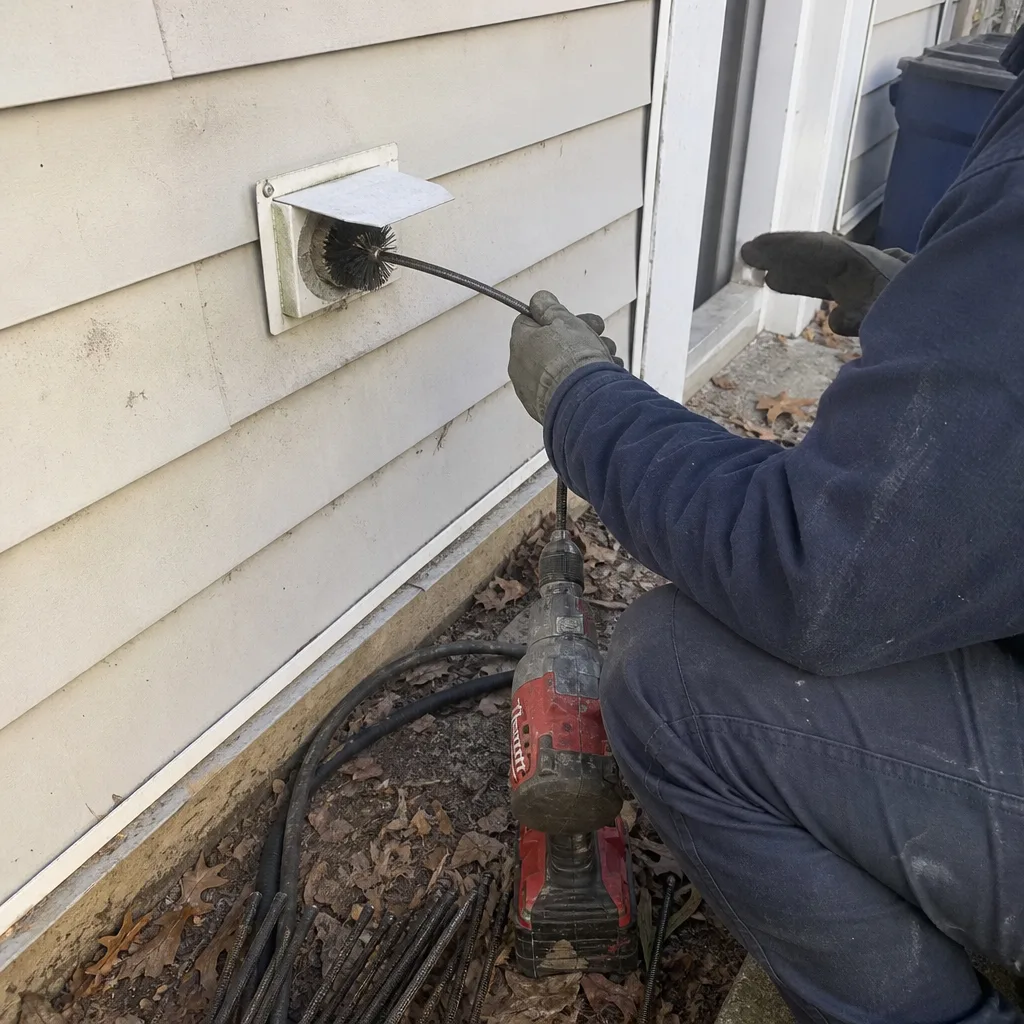
- Booking based on coupon price without verifying method. The $79 offer almost always means contact-vacuum cleaning with no photo documentation. Ask specifically: will every duct run be photographed before and after? Will I receive a written scope before work starts? A “no” to either is a different service.
- Ignoring construction era when evaluating quotes. A 1920s Del Ray bungalow and a 2015 Carlyle condo need different equipment. A company quoting one price for both without asking about duct material is not matching service to system.
- Treating cleaning as a solution for mechanical problems. Disconnected ducts, collapsed flex, or corroded fittings are not fixed by vacuuming. A legitimate inspection finds these and reports them; cleaning without repair leaves the underlying problem.
- Scheduling during or immediately after renovation. Drywall dust continues settling for weeks. Clean too early and you’re paying for a repeat. Wait 3-6 months post-renovation, or schedule initial cleaning with explicit provision for follow-up if resettlement occurs.
- Neglecting the return side. Returns pull air from your home and are often dirtier than supplies, particularly in homes with shedding pets or high foot traffic. A quote that only mentions supply registers is incomplete.
- Accepting verbal warranties. “Satisfaction guaranteed” means nothing without written terms. The 365-Day Done Right Promise is backed in writing on every job - ask any Alexandria provider for the same.
- Assuming all HEPA claims are equal. True HEPA filtration is tested and certified to 99.97% efficiency at 0.3 microns. Marketing terms like “HEPA-type” or “HEPA-like” are unregulated. Ask for the filter specification and manufacturer.
When to Call a Professional
Call for inspection - not necessarily cleaning - when you notice reduced airflow at specific registers, visible dust emission when the system starts, musty odors that intensify with HVAC operation, or unexplained increases in energy bills that suggest duct leakage. After any water intrusion event, even if dried, duct inspection is warranted because moisture in enclosed spaces often goes undetected.
In Alexandria’s humid summers, biological growth in ducts is a real risk, particularly in homes near the Potomac or with crawl space ductwork. Musty odors are the warning sign; visual confirmation requires camera inspection. Do not attempt to treat biological growth with consumer products - improper application can spread spores and worsen air quality.
CleanRun Air Duct Cleaning Alexandria offers free estimates in Alexandria - call (240) 318-7712. Every estimate includes camera inspection of representative runs, a written scope and price before any work is proposed, and no obligation. Haven Standard Clause 1: the price is in writing before the first panel comes off.
Frequently Asked Questions
Whole-home air duct cleaning in Alexandria typically ranges from $400 for a small condo or townhouse system to $900 for a large pre-1980 home with galvanized steel ductwork and multiple access requirements. The price should be a flat system rate agreed in writing before work starts, not a per-vent figure that grows at the door. Call (240) 318-7712 for a free estimate with written scope - estimates are free and include camera inspection of representative runs.
Low quotes typically reflect contact-vacuum methods - a shop-vac hose inserted through registers, cleaning only what the hose reaches, with no photo documentation, no written scope, and no warranty. A 90-minute visit cannot accomplish what a 4-hour source-removal job does. The cheaper quote buys a different service, not the same service for less. Ask any provider: will every duct run be photographed before and after? Will I receive a written scope and flat price before work starts? The answers distinguish the services.
Demand a Documented Photo Record - timestamped images of every duct run, before and after, keyed to a duct map showing location. Without this, you have a receipt, not evidence. CleanRun has delivered this record on every job since 2013; it is included as standard, not an upgrade. Review the photos before the crew leaves, and keep the record with your home maintenance files.
For most Alexandria homes, every 3-5 years under normal occupancy and with standard 1-inch filters changed quarterly. Shorter intervals apply for: homes built before 1980 (2-3 years, due to corrosion and seal degradation), homes with pets that shed (2-3 years), homes that have undergone renovation (initial cleaning 12-24 months post-renovation, then normal cycle), and homes within a half-mile of the Potomac River (2-3 years, due to humidity-driven debris adherence). The camera inspection during your first professional cleaning establishes your baseline.
Cleaning removes debris that restricts airflow, which can restore system performance toward original design specifications. It does not fix undersized ductwork, failing equipment, or leaky joints. The efficiency gain is real but modest - typically 5-15% improvement in airflow at the register when restriction was significant. The primary benefit is air quality documentation and mechanical condition assessment, not energy savings. Any provider promising dramatic bill reduction is overstating the case.
Air duct cleaning addresses the distribution network - supply and return runs, plenum, registers. HVAC cleaning in Alexandria includes the air handler components: blower motor and wheel, evaporator coil, heat exchanger, and condensate pan. These are separate but related services. A dirty blower wheel circulates debris into cleaned ducts; a dirty coil reduces cooling capacity and can produce odors. Comprehensive maintenance addresses both, but they are distinct scopes with distinct pricing. CleanRun offers each service individually or combined, with written scope for each.
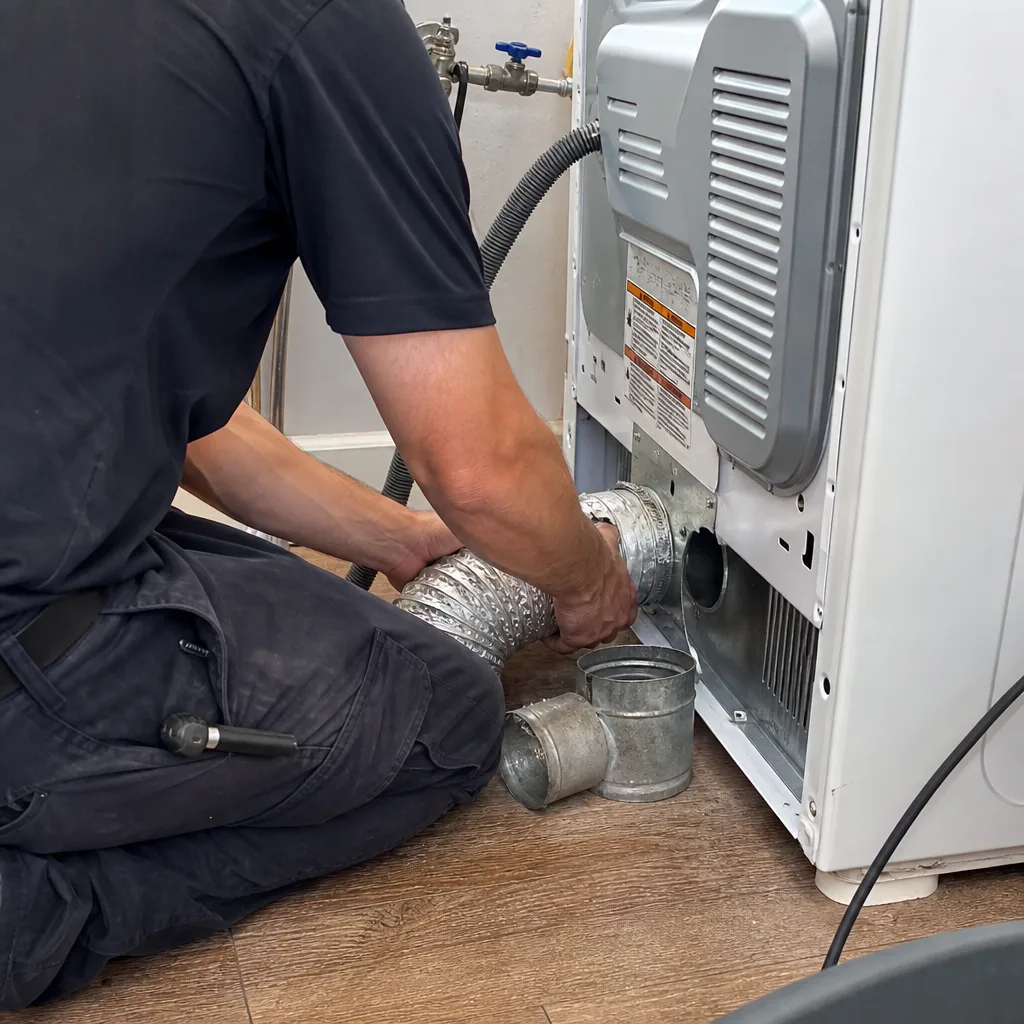
Dryer vent cleaning is a separate service with a separate safety purpose - lint accumulation is a leading cause of residential fires. The vent duct is not connected to your HVAC system. However, scheduling together is efficient if both are due. Dryer vent cleaning in Alexandria typically costs $150-$250 and includes airflow verification at the exterior termination. Ask during your estimate if both services are appropriate for your home.
The Bottom Line
Air duct cleaning in Alexandria is not a commodity service - it varies dramatically by home construction era, duct material, local climate conditions, and the method and documentation a provider delivers. The complete service produces a record you keep: photos of every run, a written scope and price agreed upfront, mechanical findings with recommendations, and a warranty backed in writing. The incomplete service produces a receipt and a promise you cannot verify.
Since 2013, CleanRun has served 52,000+ homes with a single standard: every job gets a written price before work starts and a Documented Photo Record when the crew leaves. The 365-Day Done Right Promise applies to every Alexandria home we enter. If the work is not right, we make it right - not as a favor, but as a written obligation.
Call (240) 318-7712 for a free estimate. A live person answers, 24/7. The technician who arrives will be background-checked, uniformed, and identified by name before entry. The price you receive will be flat, whole-system, and in writing before any panel comes off. That’s Haven Standard Clause 1, and it’s how we’ve worked since our first job.
Written by Tomas Reyes, Owner at CleanRun Air Duct Cleaning Alexandria, serving Alexandria since 2013.