
Last updated September 23, 2026
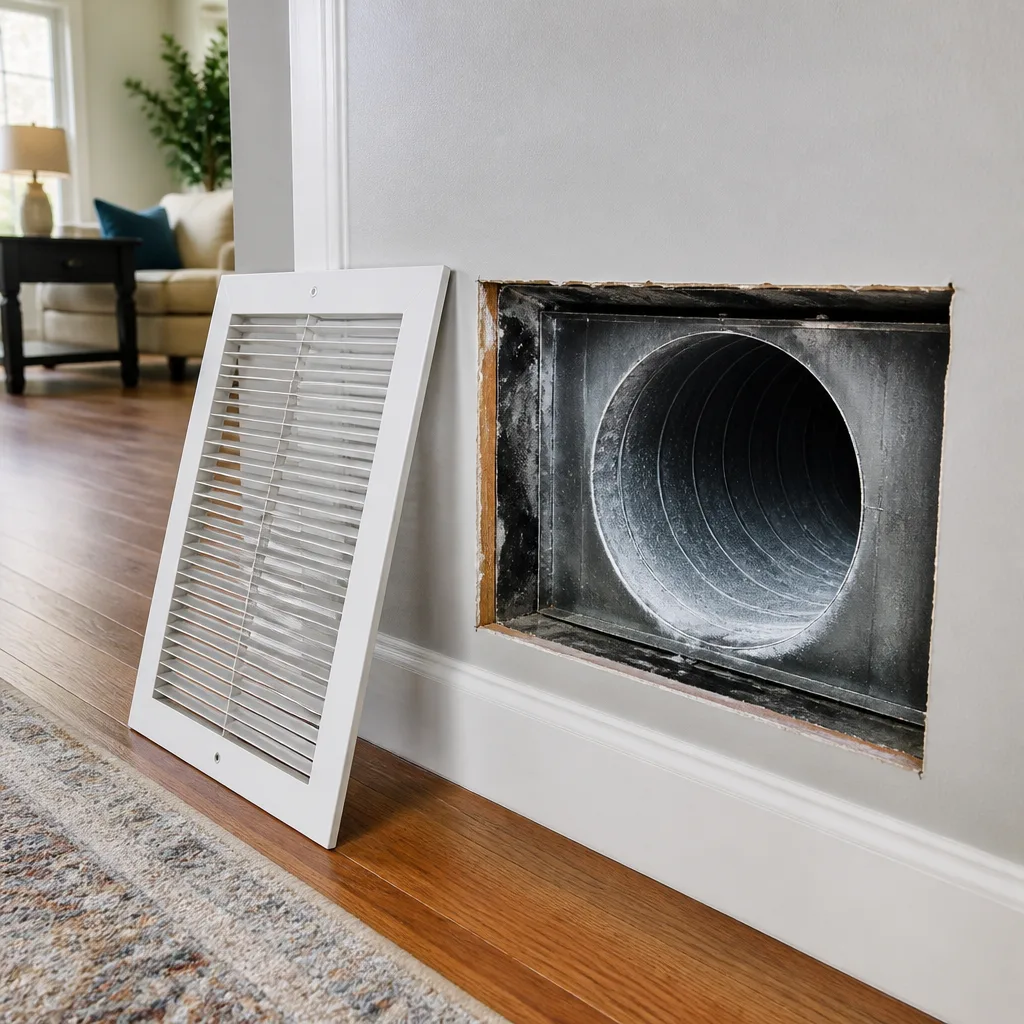
Whole-system duct and dryer vent check with before-and-after photos - you see exactly what came out of your vents
That "$99 whole-house special" is a bait ad - the real number appears once they are in your hallway, or the "clean" is a shop-vac at the register. We photograph the inside of your ducts before and after instead.
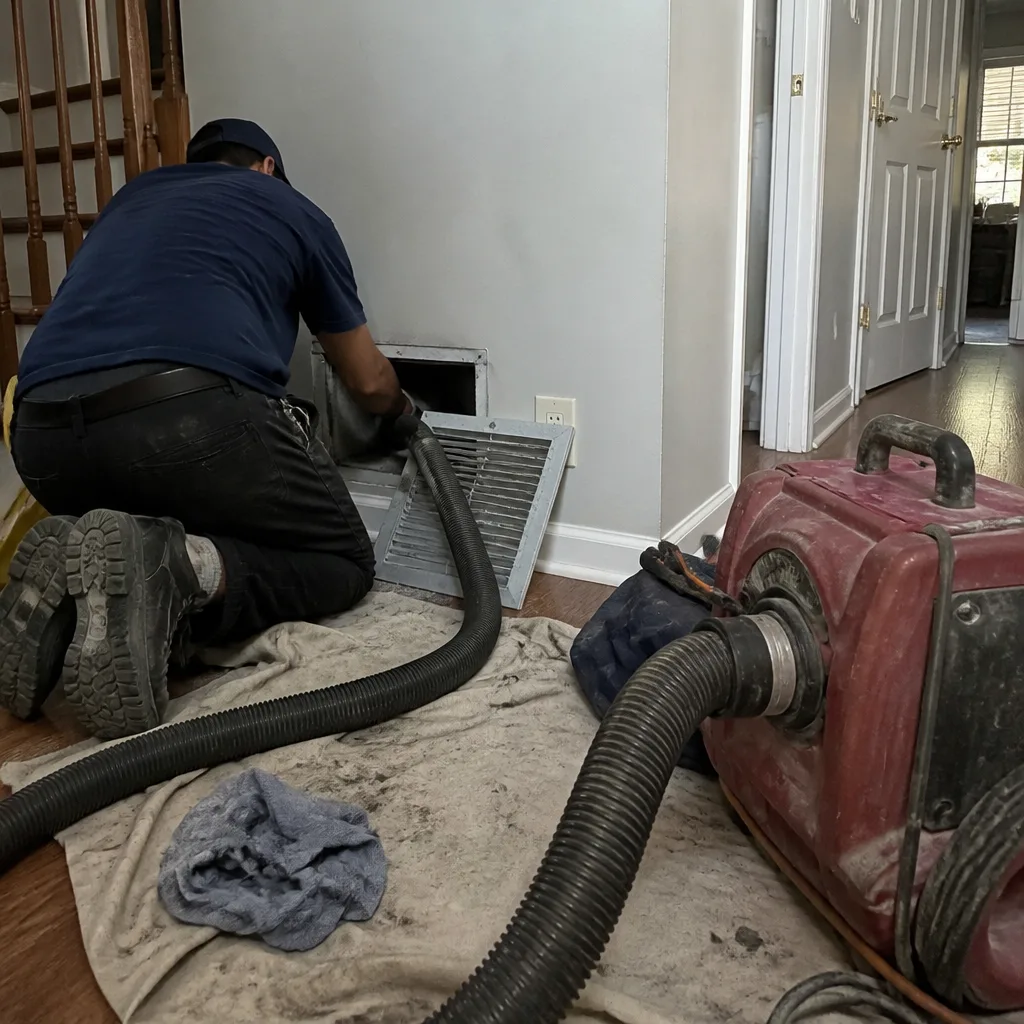 Before
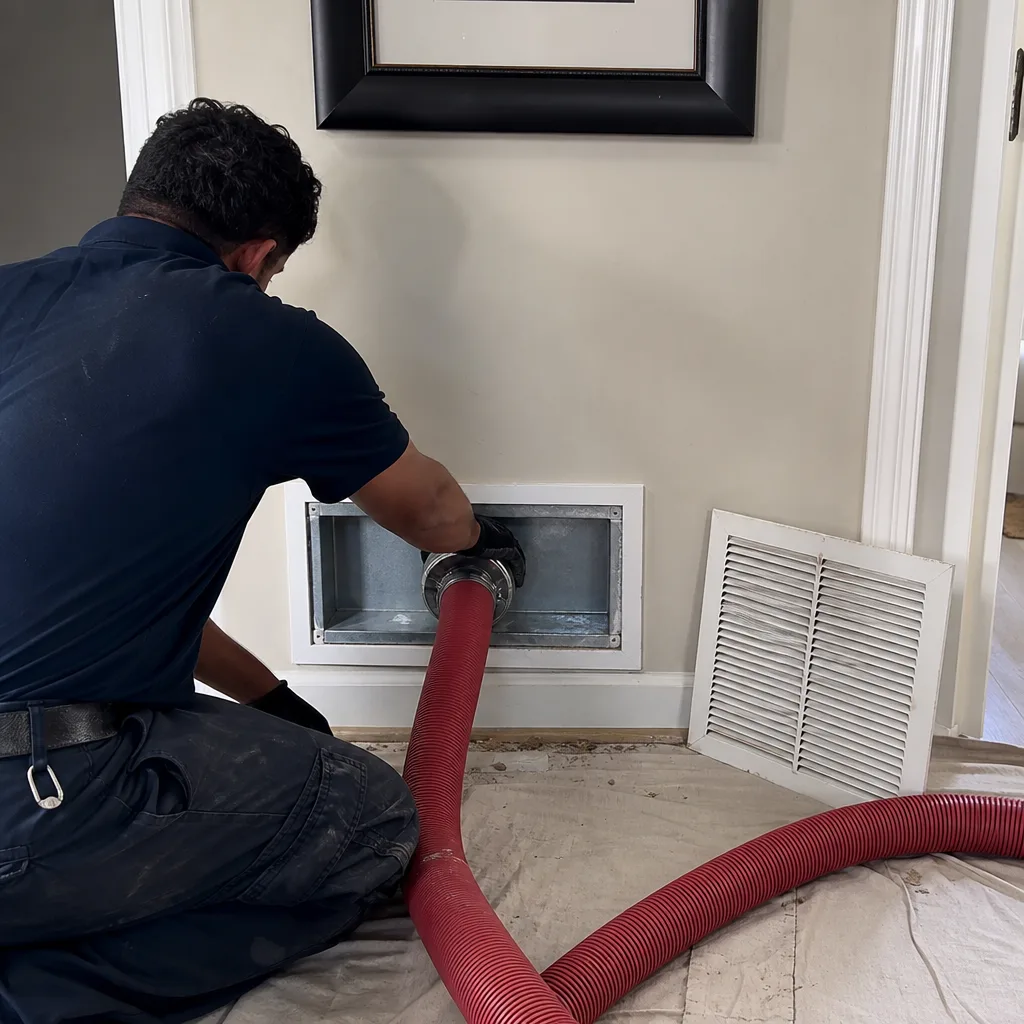 After
After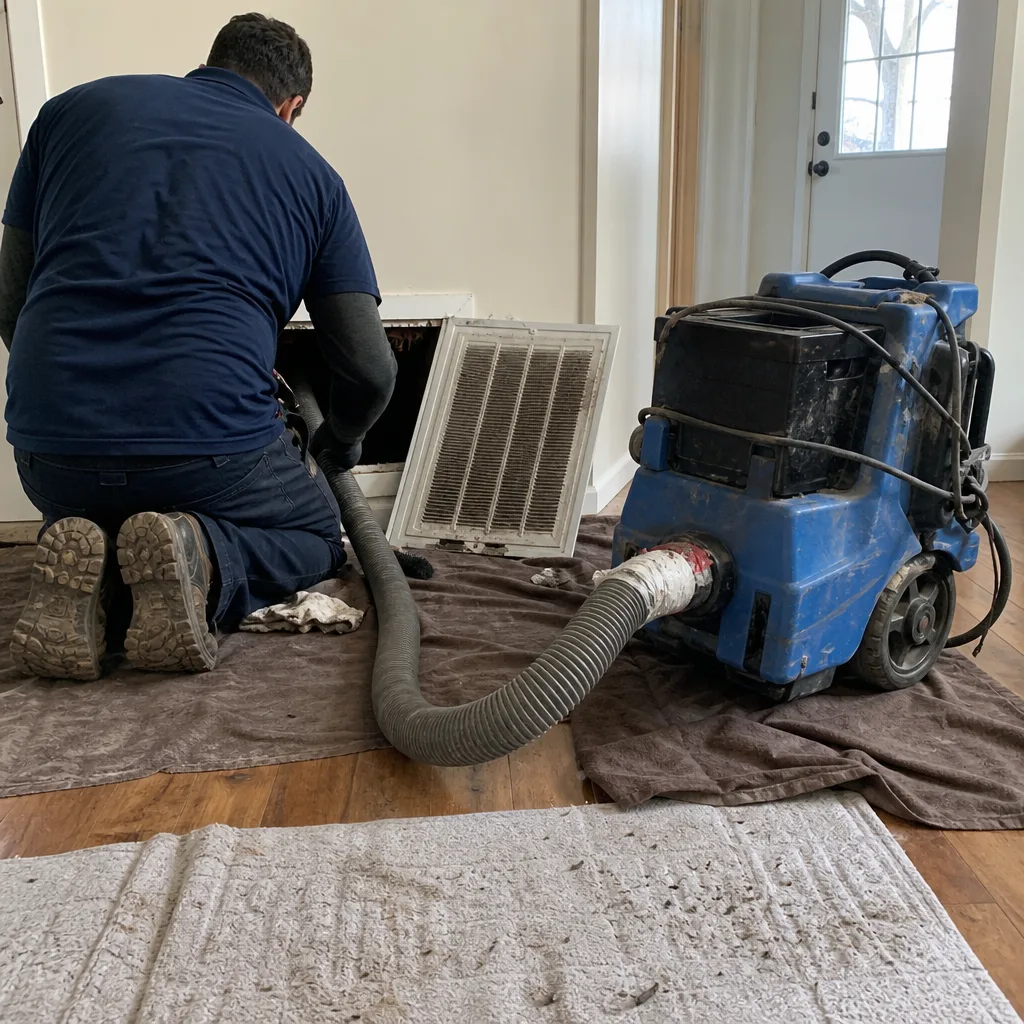 Before
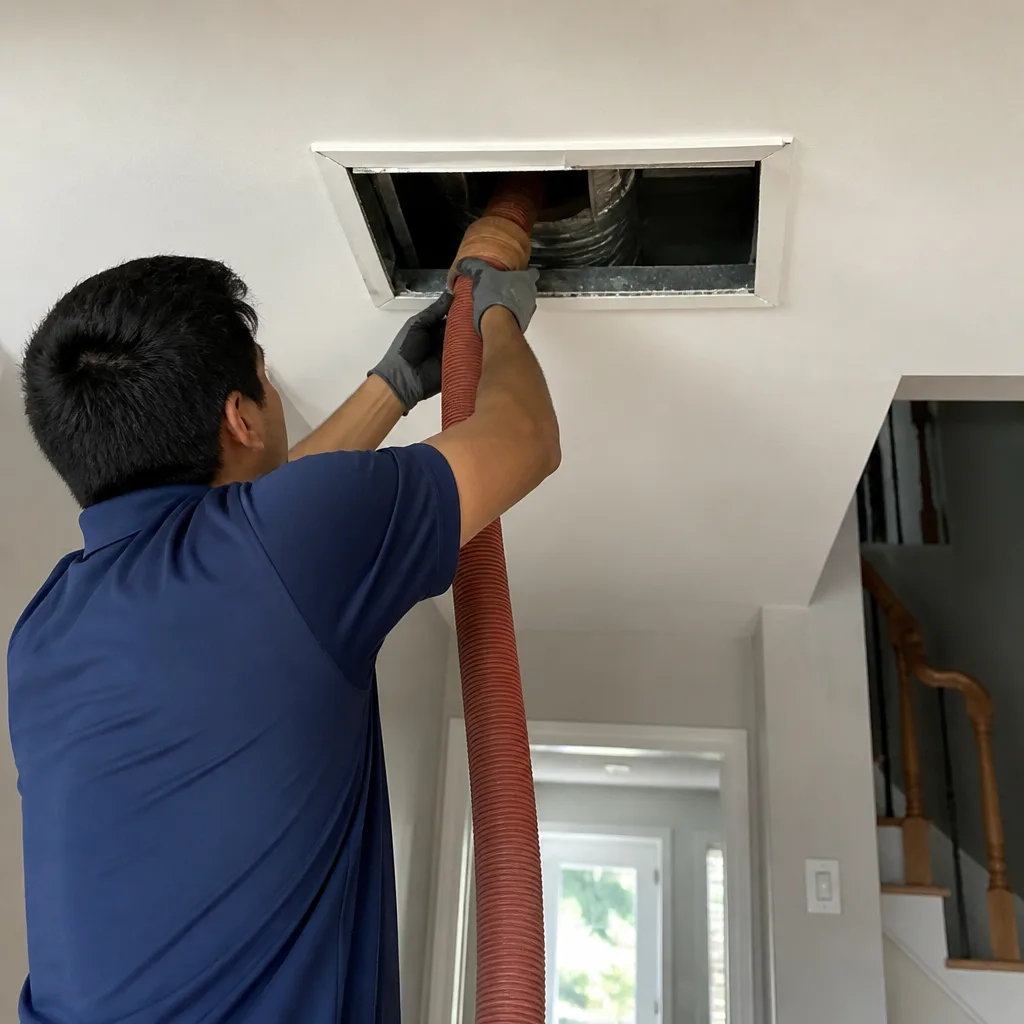 After
After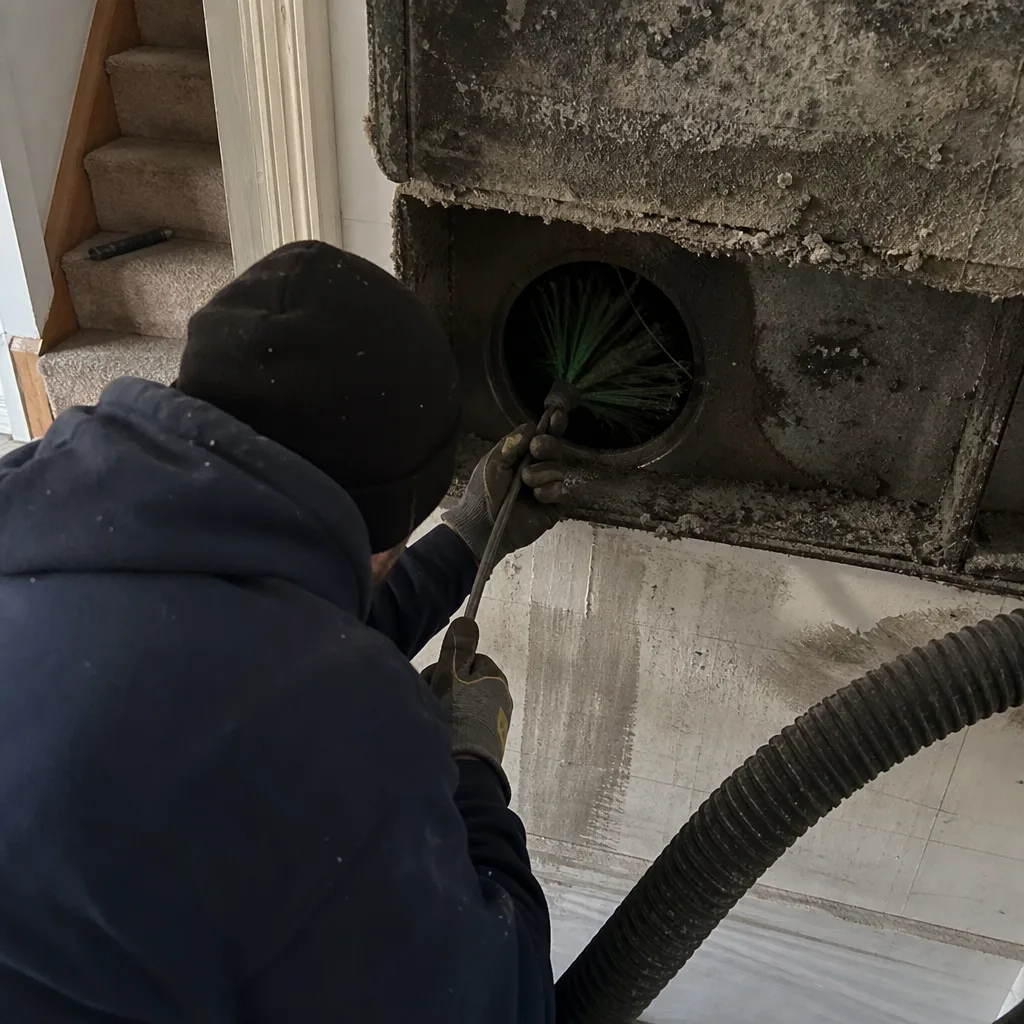 Before
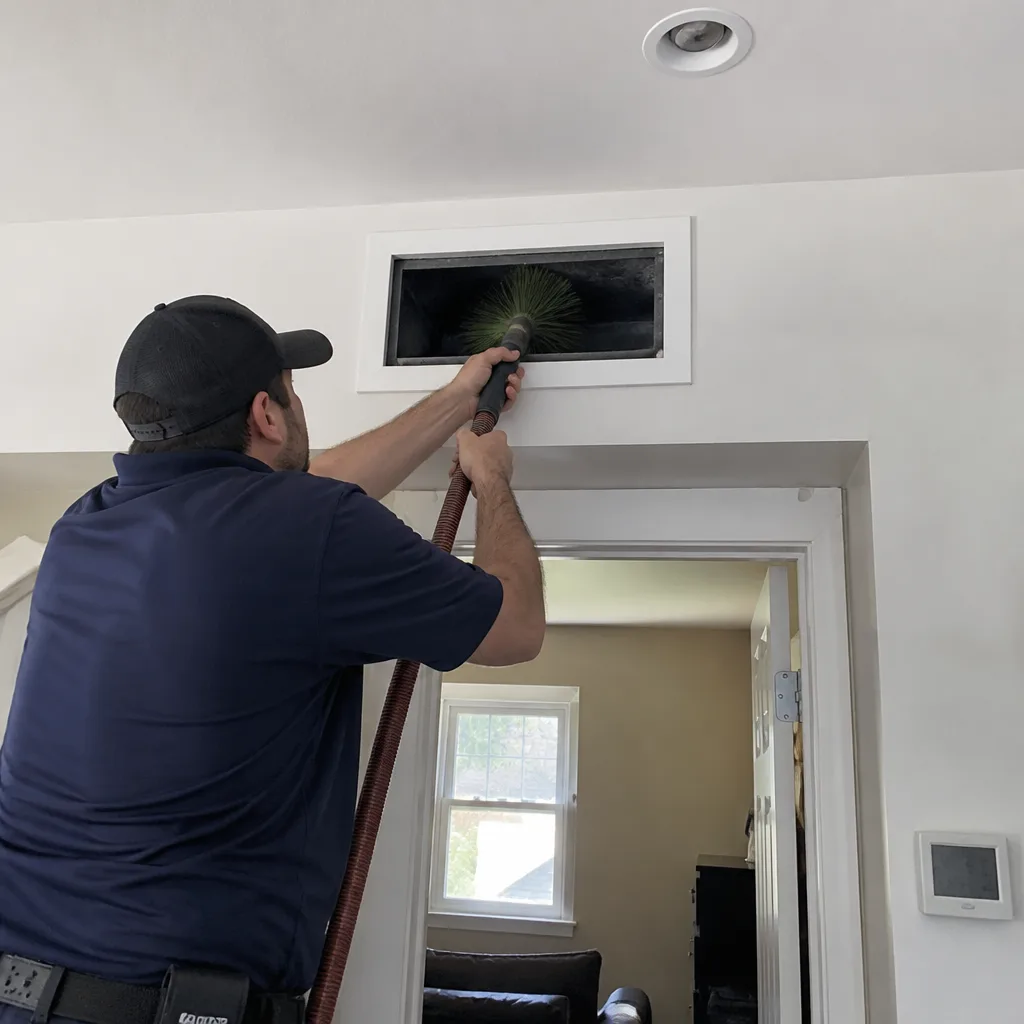 After
AfterAir Duct Cleaning Warning Signs: A Alexandria Homeowner’s Reference Guide
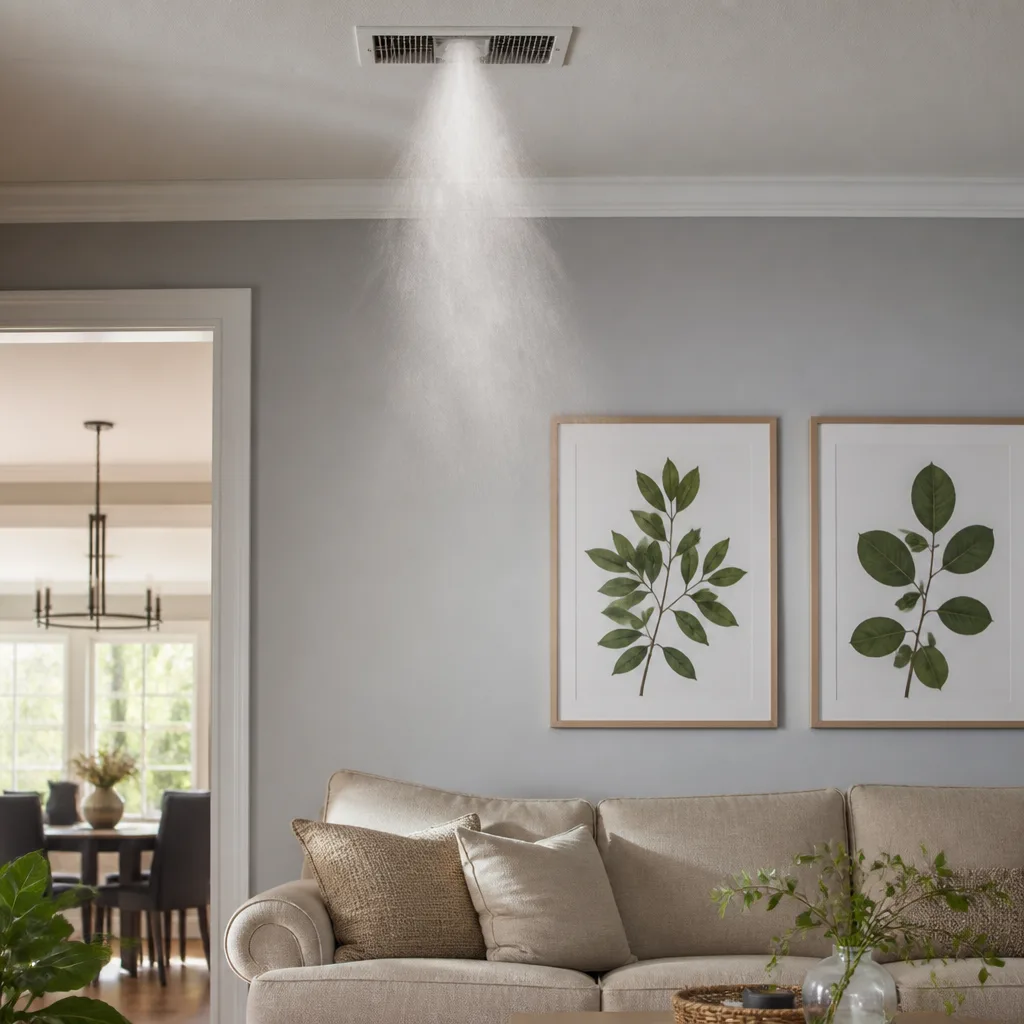
Visible dust on your supply registers is the warning sign everyone recognizes and almost no one reads correctly. In our work across Alexandria since 2013, that same thin film has pointed to four completely different problems: a debris-choked duct system, a filter that is bypassing air around its edges, a disconnected return duct pulling attic air through the walls, or a system that was cleaned poorly and is now redistributing settled debris from the duct surfaces themselves. Same symptom. Four causes. Four remedies. This guide teaches Alexandria homeowners to classify what they are seeing, know which trade to call, and avoid paying for Air Duct Cleaning services that treat the wrong problem.
Quick Answer
The warning signs that actually indicate your ducts need cleaning are persistent dust accumulation on supply registers shortly after cleaning, musty odors that appear only at first seasonal startup and fade within minutes, visible debris inside the ductwork visible through floor registers, and airflow imbalance between rooms that persists after filter replacement. Signs that suggest mechanical defects rather than debris include rattling or whistling from the plenum, temperature swings between rooms with no damper adjustment, and mold growth on registers or in the duct trunk. Conditions requiring a different trade before any cleaning proceeds include standing water in the duct system, sewage odors, and active pest infestation.
Table of Contents
- How to Classify Warning Signs: Debris, Defect, or Different Trade
- The Register Dust Inspection: A 10-Minute Homeowner Protocol
- Musty Odors Decoded: Seasonal Startup vs. Every Cycle
- Airflow Imbalance: The Tissue Paper Test and What It Reveals
- Alexandria Housing Stock: Warning Signs in Older Systems
- When Cleaning Will Not Help (And What Will)
- Common Mistakes to Avoid
- When to Call a Professional
- Frequently Asked Questions
BeforeAfterHow to Classify Warning Signs: Debris, Defect, or Different Trade
Most warning sign lists mix three categories together and leave homeowners guessing whether to book a cleaning, call an HVAC technician, or bring in a water damage specialist. Here is the framework we use on every Air Duct Cleaning in Alexandria diagnostic call.
Signs pointing to debris accumulation (cleanable):
- Dust reappears on supply registers within 48 hours of surface cleaning
- Visible debris accumulation at the boot or first elbow, visible through floor registers with a flashlight
- Gradual reduction in airflow over years, not days
- Musty odor at first seasonal startup that dissipates within 10 minutes
Signs pointing to mechanical defect (repairable):
- Rattling, whistling, or buzzing from the plenum (the main distribution box) or trunk line
- Temperature difference of more than 4 degrees between rooms with no damper adjustment
- Airflow from some registers is warm, others cool, during the same cycle
- Filter collapses or pulls out of its track repeatedly
Signs pointing to conditions requiring a different trade first:
- Standing water or saturated insulation in the duct system
- Sewage or sulfur odors from any register
- Active pest evidence: droppings, nesting material, or insect swarms at registers
- Mold growth on drywall or framing adjacent to ductwork, not just on the register itself
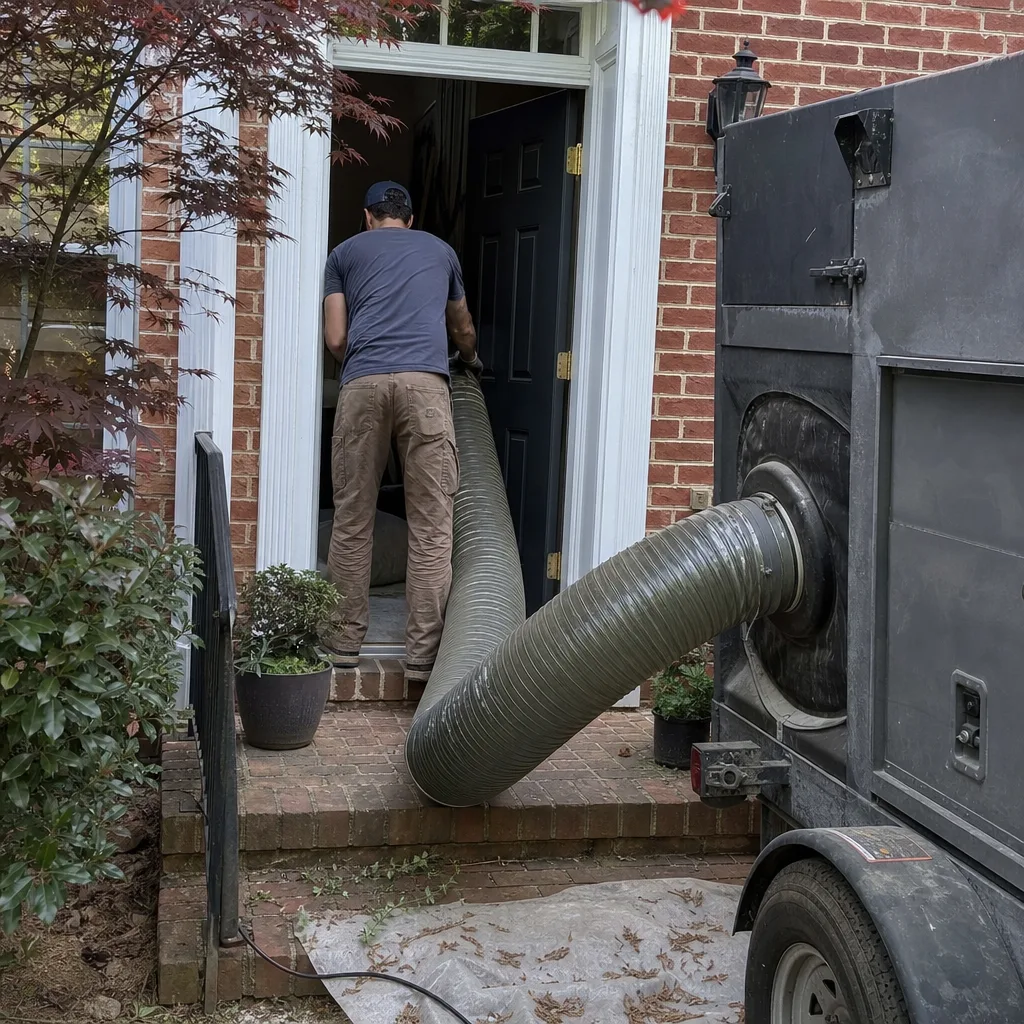
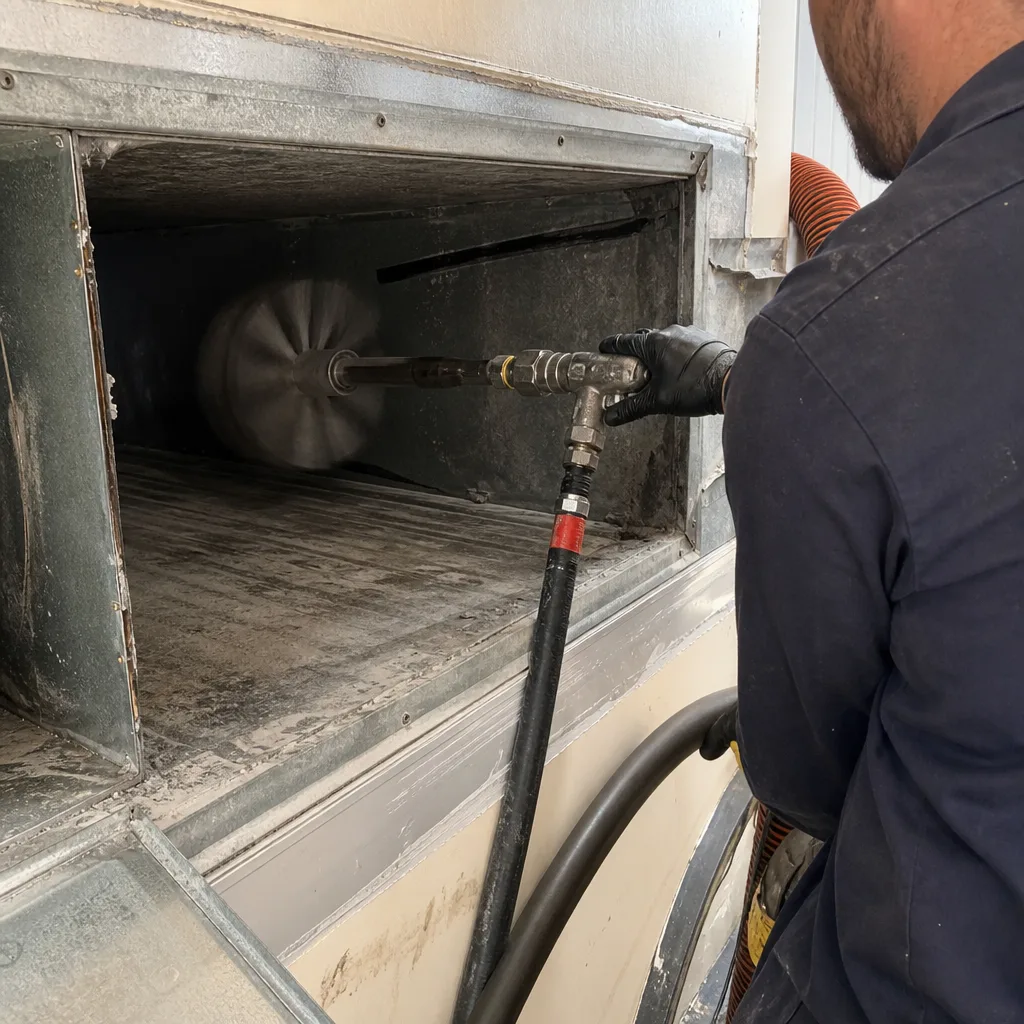
The distinction matters because negative-pressure extraction, the method we use with Rotobrush and Nikro equipment, removes loose debris and surface contamination. It does not repair disconnected ducts, replace corroded trunk lines, or remediate water intrusion. In Alexandria’s humid summers, we regularly find homeowners who paid for three cleanings when the actual problem was a condensate drain line backing water into the return plenum. The cleaning made the registers smell better for two weeks. The water remained.
The Register Dust Inspection: A 10-Minute Homeowner Protocol
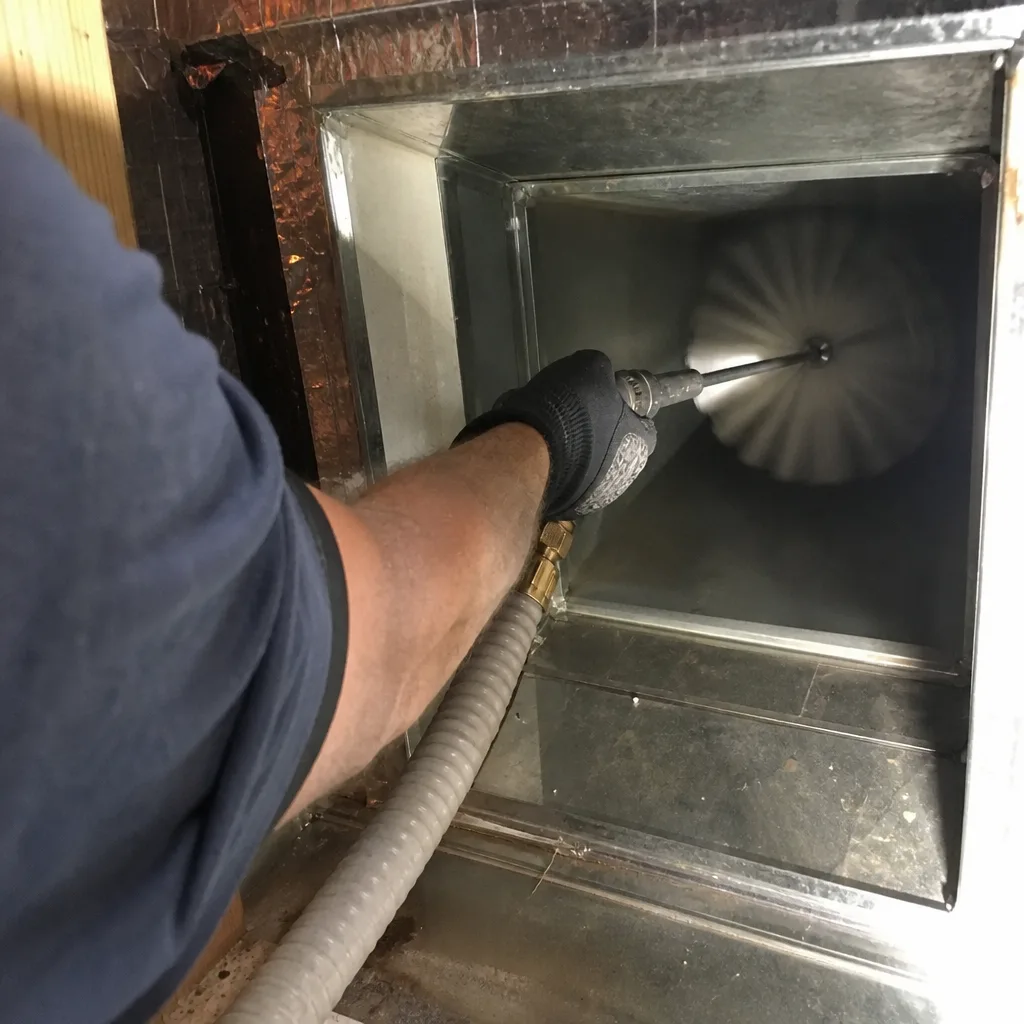
Before calling any service, perform this inspection. It will tell you whether you are looking at a dirty duct system or a dirty filter housing, two problems with similar surface presentations and very different solutions.
- Remove the register and photograph the boot. The boot is the sheet metal transition between the duct run and the room. If you see a uniform coating of fine dust extending several inches into the boot, that suggests debris accumulation in the duct run itself.
- Inspect the filter housing with a flashlight. Remove the filter and shine light on the upstream side of the housing. If dust is caked on surfaces that should be upstream of the filter, air is bypassing the filter around its edges or through a damaged frame. No amount of duct cleaning fixes a filter bypass.
- Check for gaps between the filter and its track. A 1/8-inch gap around a 16×25 filter lets approximately 20% of total airflow bypass filtration entirely. The dust you see on registers is coming straight from the return side, unfiltered.
- Look for the filter arrow direction. We find filters installed backward on roughly 15% of Alexandria service calls. The pleated media is designed to load from one direction; reversed installation sheds debris into the airstream.
- Reinstall the register and note the timeline. Clean the register surface with a damp cloth. If dust is visible again within 72 hours, the source is active. If it takes two weeks, the source may be residual surface dust from a recent disturbance, including a poorly executed prior cleaning.
This protocol has saved our customers from unnecessary service calls. In the Del Ray neighborhood last spring, a homeowner was prepared to book a full system cleaning based on register dust. The inspection showed a 3/16-inch gap where a 20x25x1 filter was rattling in an oversized housing. A $12 filter bracket from any hardware store resolved the issue. We provided that guidance at no charge under our Free Second Opinion policy, and the homeowner called us six months later for their actual cleaning. See DIY vs Professional Air Duct Cleaning: The Alexandria Homeowner’s Decision Guide for help deciding when to call a pro.
Musty Odors Decoded: Seasonal Startup vs. Every Cycle
Musty odor is the most misinterpreted warning sign in residential HVAC. The timing, duration, and location of the smell tell you whether cleaning will resolve it, whether it indicates a mechanical problem, or whether it signals a condition that makes cleaning inadvisable until remediation is complete.
First-run-of-season odor that fades within 10 minutes:
This is typically dormant dust and microbial growth on the evaporator coil and in the condensate pan, activated by the first airflow after months of disuse. In Alexandria, where cooling systems sit idle from October through April, we see this pattern predictably each spring. The odor is concentrated at registers and diminishes as the system runs. A thorough HVAC cleaning including coil and pan treatment usually resolves it. Our HVAC Cleaning in Alexandria service addresses this specifically.
Odor that appears every cycle and persists:
This indicates an active moisture or biological source, not dormant accumulation. Possible causes include a condensate drain line blocked and overflowing into the return plenum, a humidifier set too high and saturating duct insulation, or ductwork passing through a damp crawl space with compromised vapor barrier. Cleaning the ducts without addressing the moisture source wastes money and can spread contamination. We have photographed standing water in return plenums in Old Town Alexandria basements where the homeowner had been sold two prior “sanitizing” treatments that did nothing for the actual problem.
Odor localized to one register or room:
This almost always indicates a localized defect, not system-wide debris. A disconnected flex duct in a wall cavity may be pulling air from a damp location. A supply boot may have separated from the duct run, creating a leak that pressurizes the wall space and draws odors through gaps. Cleaning the duct system does not repair the disconnection.
Odor described as “dirty sock” or “gym bag”:
This specific profile, common in heat pump systems, typically indicates microbial growth on the evaporator coil during shoulder seasons when the coil stays wet between cycles. It is an equipment maintenance issue, not a duct cleanliness issue. Coil cleaning and, in persistent cases, a UV-C treatment are the appropriate responses.
Airflow Imbalance: The Tissue Paper Test and What It Reveals
Significant temperature or airflow differences between rooms are often attributed to “dirty ducts blocking airflow.” In our experience across 52,000 homes, dirty ducts rarely create airflow imbalance. Blockage severe enough to meaningfully restrict airflow is usually visible and localized. More commonly, imbalance points to one of three causes that cleaning does not address.
The tissue paper test:
Hold a single sheet of tissue paper against a supply register with the system running. Note how far the paper extends from the register before gravity overcomes airflow. Repeat at each register. In a properly balanced system, measurements should vary by no more than 25% between rooms on the same floor.
What the results suggest:
- Consistent weak airflow across all registers: Likely an equipment issue, undersized blower, or severely clogged filter. Check the filter first.
- Strong airflow at registers near the air handler, weak at distant registers: Duct system design issue, possibly undersized trunk line or excessive flex duct runs. Common in Alexandria townhomes with third-floor additions where the original duct system was not extended properly.
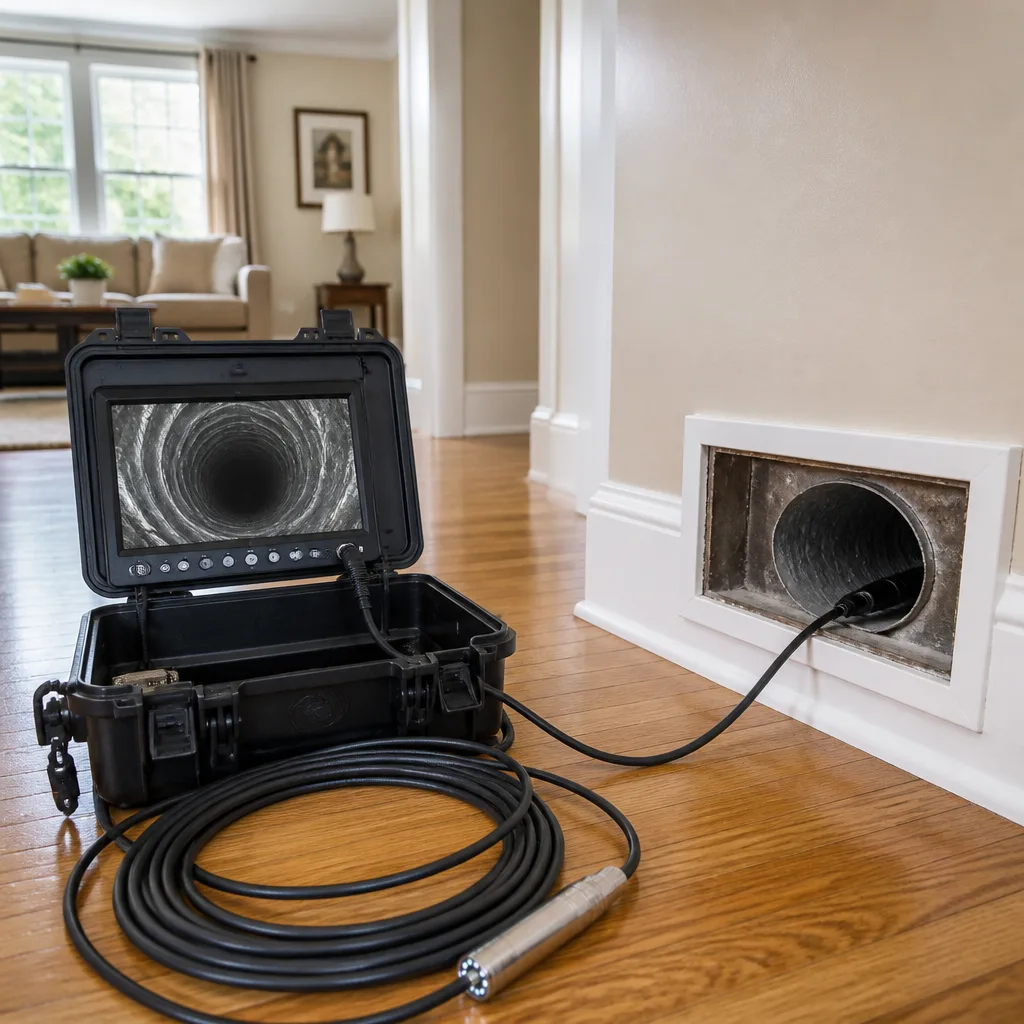
- One or two registers with dramatically weak airflow: Localized obstruction (collapsed flex duct, closed or stuck damper) or disconnection. A scope inspection through the register often reveals the problem.
- Strong airflow at some registers, normal at others, with temperature differences: Dampers incorrectly set, or zone system malfunction. Not a cleaning issue.
In the Rosemont neighborhood, we diagnosed a system where the second floor was consistently 8 degrees warmer. The tissue test showed normal airflow at all registers. The problem was a zone damper stuck partially closed, discovered during our scope inspection. The homeowner had received two quotes for “deep cleaning” from other companies. Cleaning would not have changed the temperature.
Alexandria Housing Stock: Warning Signs in Older Systems
Alexandria’s housing spans nearly three centuries, and the duct systems reflect that chronology. Warning signs that indicate normal aging in one era’s construction indicate failure in another’s. Knowing your home’s vintage helps interpret what you are seeing.
Pre-1960 homes: Cast iron grilles and original ductwork
Homes in Old Town, the Berg, and parts of Del Ray often retain original cast iron floor grilles. These are heavier than modern steel and resist the deformation that causes register whistling. However, the mounting systems were not designed for forced air retrofit. We regularly find original grilles installed over modern boots with incompatible dimensions, creating gaps that bypass filtration and pull debris from wall cavities. Warning sign: dust accumulation is heaviest around the perimeter of the grille, not centered over the duct opening.
The original ductwork in these homes, if present, is often galvanized steel with transverse joints that were sealed with fabric and paste. After 60-plus years, this sealant degrades to a brittle residue. Warning sign: dust streaks on the floor or wall beneath registers, indicating air leakage at the boot-to-floor junction. Cleaning the ducts does not reseal these joints. Our CleanRun Air Duct Cleaning Alexandria home service includes boot seal inspection, and we document any leakage we find in the photo record delivered to the customer.
1970s-1980s homes: Early flexible duct installations
Alexandria’s post-war expansion, including neighborhoods like Seminary Hill and parts of the West End, saw widespread use of early flexible duct products. These have characteristic failure modes worth recognizing. The inner liner of 1970s-era flex duct becomes brittle and can separate from the wire helix, creating an internal flap that restricts airflow. Warning sign: a register that once blew strongly now barely moves tissue paper, with no filter change or equipment modification. The internal collapse is not visible from the register but is immediately apparent to a borescope.
Early flex duct also used insulation with vapor barriers that degrade. In Alexandria’s humid climate, we find collapsed outer jackets and wet insulation in crawl spaces and attics. Warning sign: musty odor that intensifies when the system cycles, with no odor at startup specifically. The duct is pulling humid air through compromised insulation continuously.
1990s-2010s homes: Standard flex duct with common installation errors
Modern flex duct is more durable but is often installed with excessive bends and compression. The industry standard is maximum 15% compression; we measure 40% or more in new construction regularly. Warning sign: rooms at the end of long duct runs are consistently underconditioned. The restriction is geometric, not debris-related.
Post-2015 homes: Tight construction and ventilation imbalances
Newer Alexandria construction, including infill in Potomac Yard and Carlyle, is built tight for energy code compliance. Without adequate mechanical ventilation, these homes develop negative pressure that pulls air from attached garages, crawl spaces, and wall cavities. Warning sign: odors from non-duct sources (garage chemicals, crawl space earth) appearing at registers. The ducts are clean. The building envelope is the problem.
When Cleaning Will Not Help (And What Will)
There are conditions where duct cleaning is not merely unnecessary but inadvisable until another trade completes remediation. We decline jobs in these circumstances, and any company that proceeds without addressing the underlying condition is not serving the homeowner’s interest.
Active water intrusion
Negative-pressure extraction moves air at high velocity. If the duct system contains standing water or saturated insulation, extraction aerosolizes that moisture and any biological growth it contains, distributing it through the home. We have documented this on post-remediation verification calls where a competitor cleaned through standing water and the homeowner’s respiratory symptoms worsened. The correct sequence: water damage specialist removes water and repairs source, then 48-72 hours of drying, then cleaning if debris remains.
Pest infestation
Rodent or insect activity in ductwork requires pest control first. Cleaning disturbs nests and can spread parasites or pathogens. We require documentation of pest control completion before scheduling. In Alexandria’s older neighborhoods with mature tree canopy, roof rat access to attics and subsequently to flex duct is not uncommon. The warning sign is scurrying noise from ducts, not debris.
Asbestos-containing duct insulation
Pre-1980 duct systems may have asbestos-containing insulation or tape. Disturbance during cleaning is regulated and requires abatement certification. We inspect for this material before proceeding and refer to certified abatement contractors when found. The warning sign is white or gray fibrous tape at duct joints, particularly on systems with visible age.
Sewage backup or drain line failure
Any odor of sewage from a register indicates a drain line or sewer vent failure, not a duct problem. Cleaning masks the odor temporarily. Plumbing repair is required.
Combustion appliance backdrafting
If you notice odors from gas appliances at registers, or if CO detectors activate intermittently, stop using the system and call an HVAC technician or the gas utility. This is a life safety issue, not a cleaning issue. Alexandria’s older housing stock includes many atmospherically vented water heaters and furnaces in conditioned basements where backdrafting is a documented hazard.
Common Mistakes to Avoid
- Booking a cleaning based on register dust alone without the 10-minute inspection. In our Alexandria service area, roughly 30% of register dust cases trace to filter bypass or housing leakage, not duct debris. The inspection takes 10 minutes and can save the full cost of unnecessary service.
- Assuming that “sanitizing” or “disinfecting” treatments resolve mold or moisture problems. These are topical applications that do not remove source moisture or correct ventilation deficits. We do not offer them as standalone solutions.
- Ignoring airflow imbalance until it becomes severe. Gradual reduction often indicates progressive duct degradation, particularly in 1970s flex duct. Early intervention with repair or replacement prevents complete failure.
- Accepting a per-vent or coupon price without a written scope. The industry’s $79 coupon model depends on upselling once the technician is in the home. Our Haven Standard Clause 1 requires a written price for the complete system before any work begins. No exceptions.
- Cleaning after water damage without confirming complete drying. Alexandria’s humidity means duct insulation can remain wet for weeks after surface water is gone. We verify moisture content with meters before proceeding.
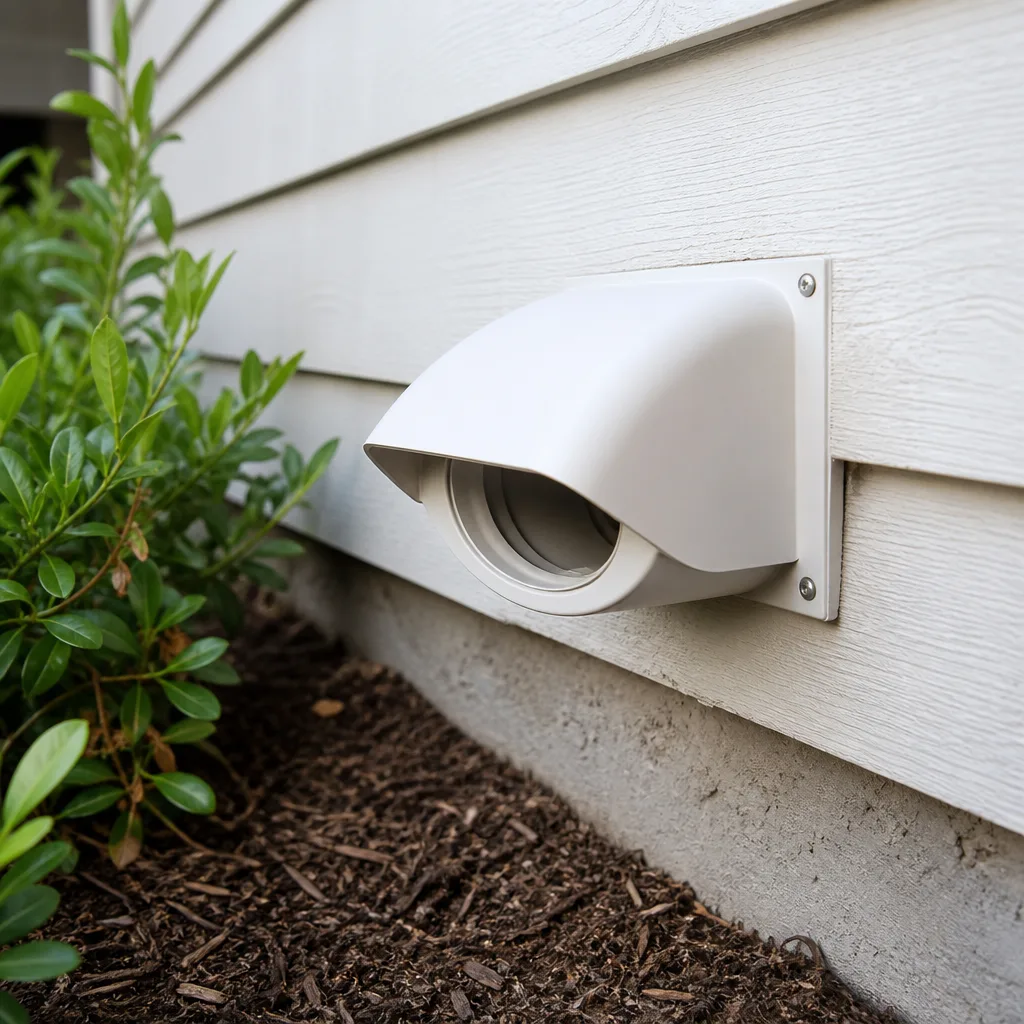
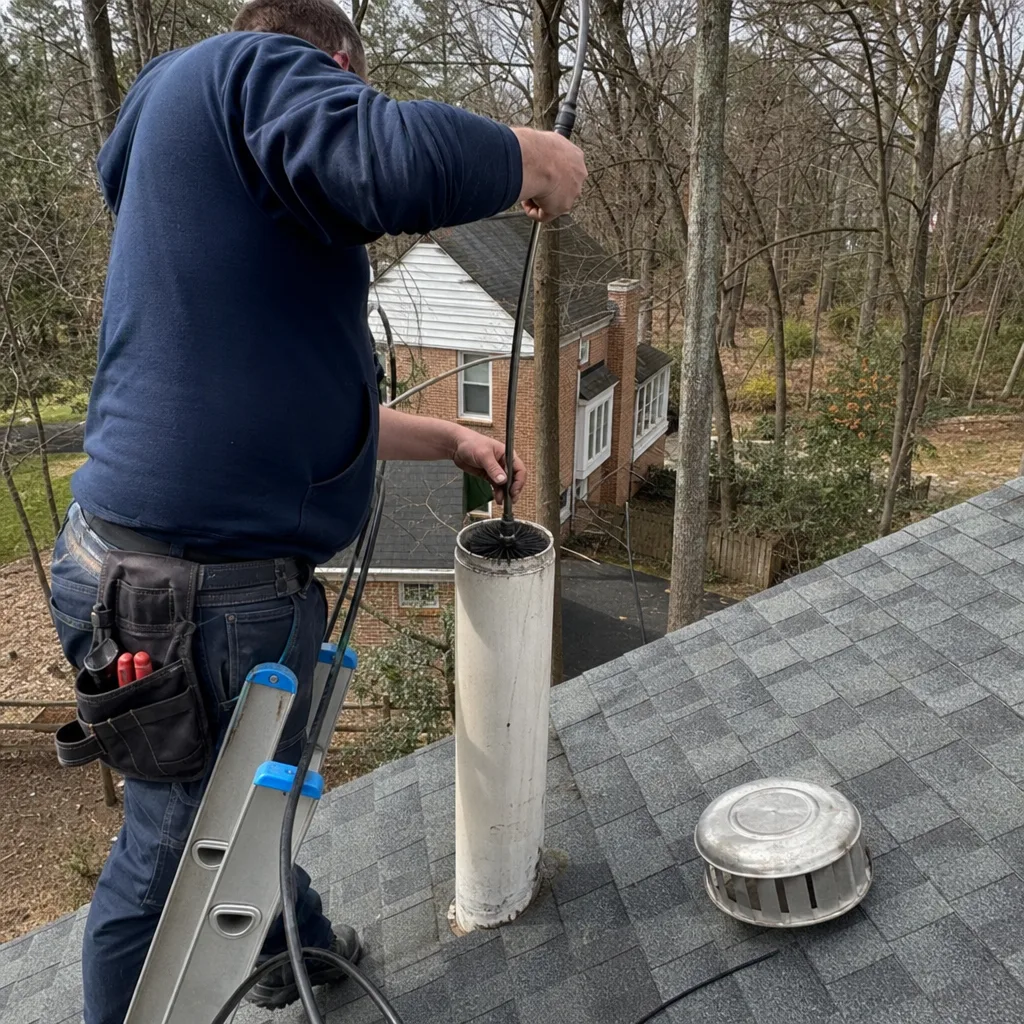
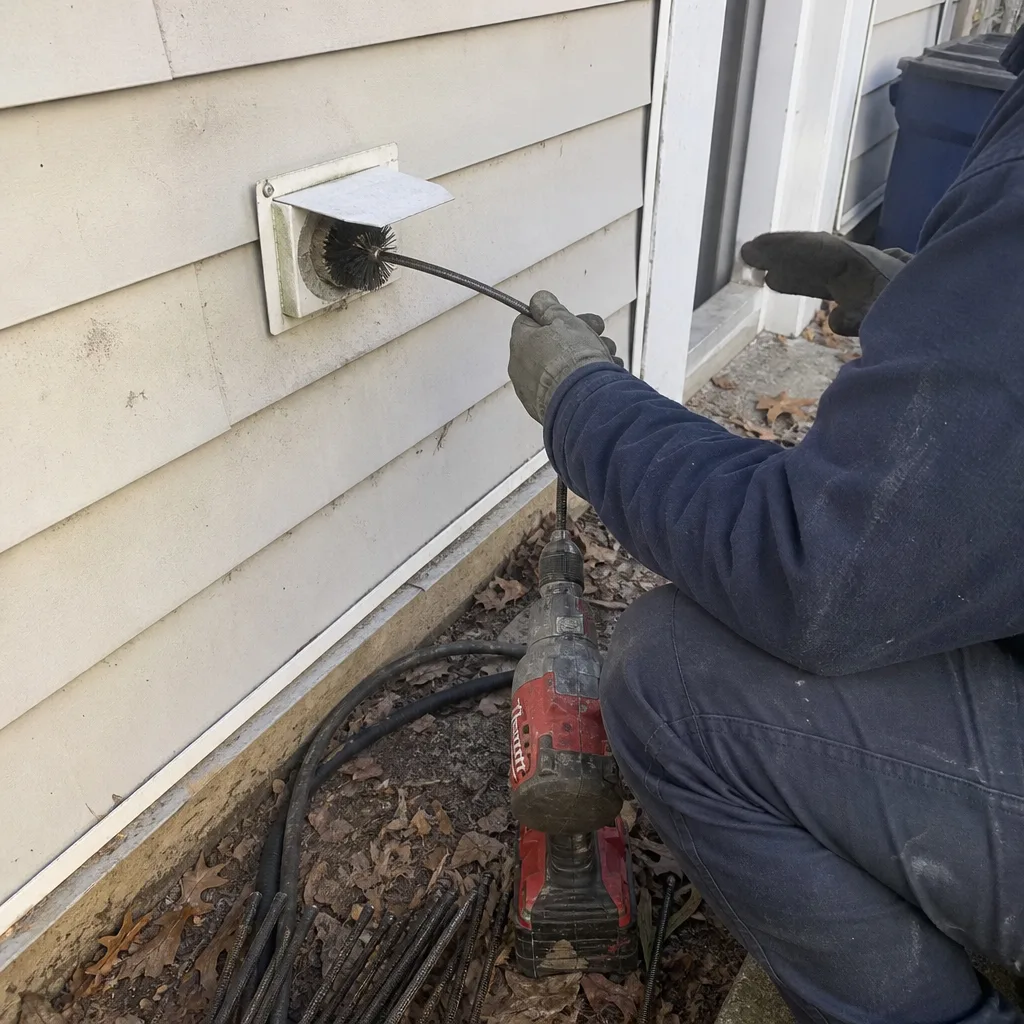
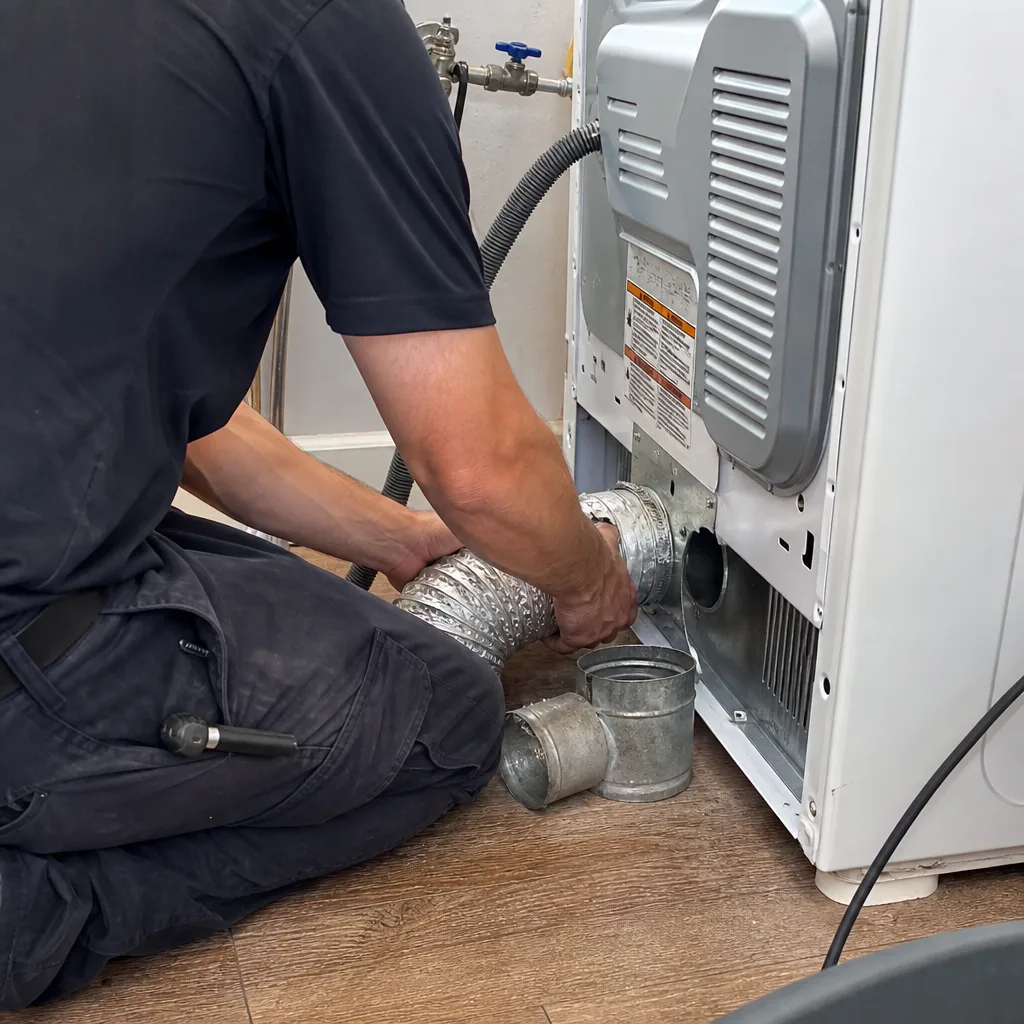
- Failing to distinguish between duct cleaning and dryer vent cleaning. These are separate services with separate equipment requirements. Lint accumulation in dryer vents is a fire hazard; debris in supply ducts is an air quality issue. Our Dryer Vent Cleaning in Alexandria service uses specialized brushes and high-velocity blowers distinct from our duct cleaning equipment.
- Expecting cleaning to resolve equipment problems. A noisy blower, failing heat exchanger, or refrigerant leak produces symptoms that can resemble duct issues. Cleaning does not repair equipment.
When to Call a Professional
Call a professional when you have completed the basic inspection and the symptom persists, when you observe any of the mechanical defect signs (noise, temperature imbalance, filter failure), or when you suspect water, pest, or combustion issues that require specialized trades. Document what you have observed: timing of odors, which registers are affected, and any recent changes to the system or home. This information lets the technician focus diagnostic effort appropriately.
CleanRun Air Duct Cleaning Alexandria offers free estimates in Alexandria. Every estimate includes a written price before any work begins, under Haven Standard Clause 1. Our technicians are background-checked and uniformed, operating under Haven Standard Clause 3: Verified Crews. Call (240) 318-7712 to schedule.
Frequently Asked Questions
Whole-system duct cleaning for a typical Alexandria single-family home ranges from $450 to $850, depending on system size, accessibility, and contamination level. Townhomes and homes with multiple HVAC systems fall at the higher end. CleanRun delivers a written price before any work begins, with no per-vent add-ons or surprise charges. Call (240) 318-7712 for an exact quote, estimates are free.
The $79-$149 coupon price typically covers a brief vacuuming of accessible registers, not a complete system cleaning. The upsell begins once the technician is inside. We have responded to calls where the “cleaning” lasted 45 minutes and no duct run was accessed beyond the boot. Our pricing is system-based and includes every run, photographed before and after, with the documented photo record delivered to the customer. The price we write is the price you pay.
Request the documented photo record. CleanRun photographs the inside of every duct run before and after cleaning, with timestamps, as a standard deliverable on every job since 2013. If a company cannot or will not show you internal photos of your own ducts, you have no verification that the work occurred. This practice is central to our 365-Day Done Right Promise.
For most Alexandria homes with standard filtration and no pets or smokers, every 5 to 7 years is adequate. Homes with multiple pets, recent renovation, or occupants with respiratory conditions may benefit from more frequent service. The correct interval is determined by inspection, not calendar. We have found 10-year-old systems that were clean and 2-year-old systems that needed service due to construction debris or filter bypass.
Alexandria’s humid summers and variable pollen seasons do influence duct conditions, but not primarily through debris accumulation. Humidity supports microbial growth on coils and in condensate systems, which is addressed through HVAC cleaning rather than duct cleaning alone. Spring pollen loads can clog filters rapidly, increasing bypass and subsequent dust loading. We recommend checking filters monthly during high-pollen periods, April through June.
A complete cleaning of a single system takes 3 to 5 hours for a typical Alexandria home. The technician should access every supply and return run, protect flooring and furnishings, and operate negative-pressure extraction equipment with HEPA filtration. You should receive a written scope, a written price agreed before work begins, and a documented photo record of every run when the crew leaves. Anything less is not a complete service.
The Bottom Line
Warning signs are data, not diagnoses. Dust on a register can mean four different things. A musty odor can indicate dormant debris, active moisture, or equipment malfunction. Airflow imbalance rarely traces to dirty ducts. The homeowner who classifies symptoms correctly avoids paying for the wrong service and gets to the actual problem faster. Use the inspection protocols in The Complete Guide to Air Duct Cleaning in Alexandria, know your home’s construction era and its characteristic failure modes, and demand documentation, written pricing, and photo verification from any provider you consider. The industry has trained homeowners to fear dirty ducts. The better response is to understand what you are seeing and require evidence before authorizing work.
Written by Tomas Reyes, Owner at CleanRun Air Duct Cleaning Alexandria, serving Alexandria since 2013. Explore more guides & resources from our team.